Jodi Xu Klein · · 3 min read
Could US’ Huawei worries be solved with a global cybersecurity plan?
The singling out by the US of China’s telecoms giant, Huawei Technologies, signifies a growing need for a comprehensive global cybersecurity strategy, underpinned by standards that could be used to guard against national security threats worldwide, the company’s security chief and and another expert said.
Since May, American tech companies have been effectively banned by the Trump administration from selling components to the Chinese firm due to national security concerns.
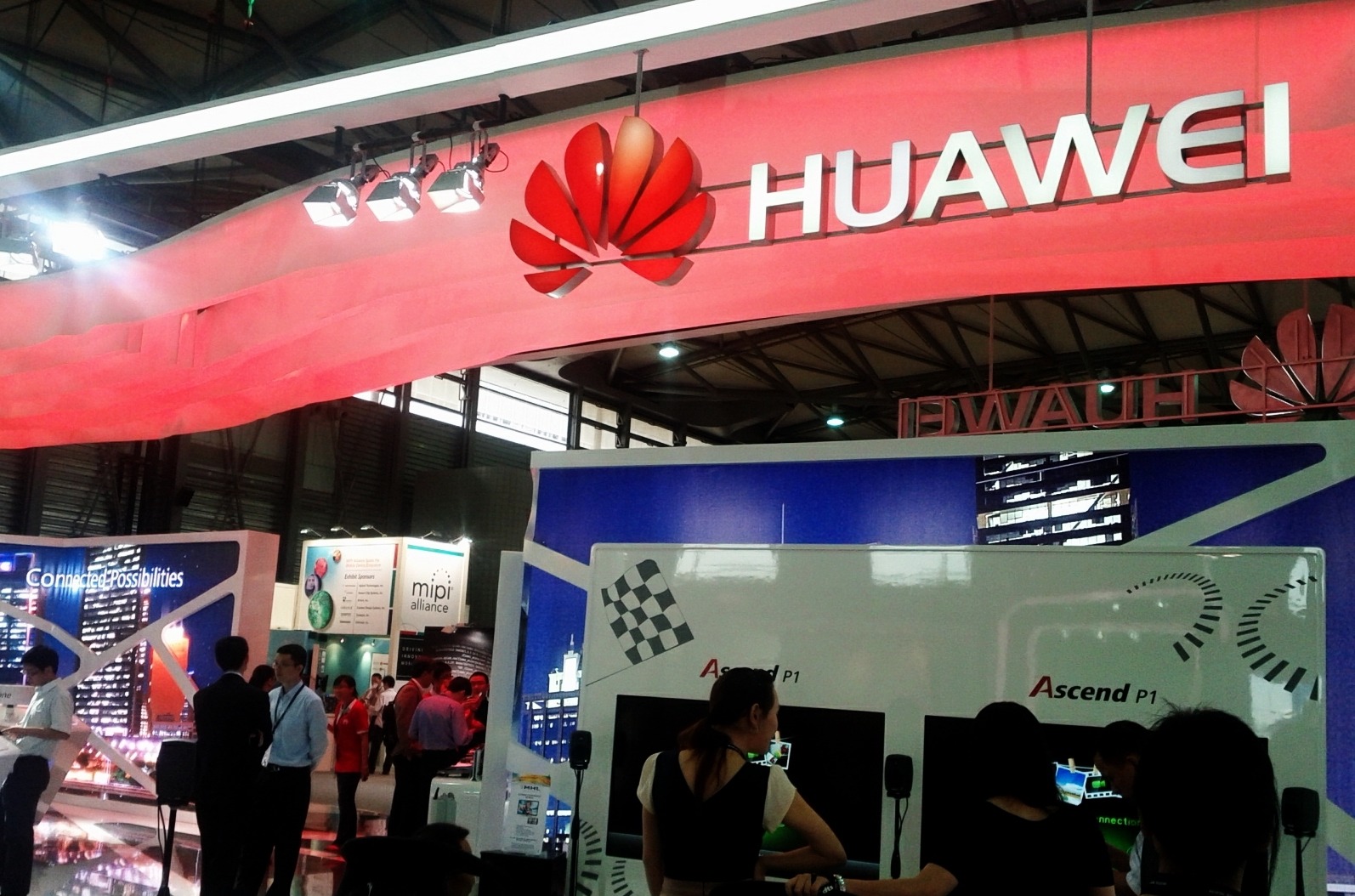
Photo credit: Tech in Asia
The US argues that Huawei – the world’s second-largest smartphone maker and a leading 5G technology developer – could be compelled to give up trade secrets and sensitive data to its government, bowing to the influence Beijing has on Chinese businesses.
Andy Purdy, chief security officer of Huawei USA, told the South China Morning Post on Thursday that “this focus on China and the focus on Huawei in particular are not going to make the world safer.”
“There needs to be a comprehensive approach to cybersecurity risk, and we need to have standards and best practices,” he said.
Purdy’s concern was shared by another security expert, who called for international standards and an organization to oversee cybersecurity issues.
“Huawei is really the 800-pound gorilla in the room that is much bigger than the trade talk itself,” said Paul Triolo, practice head of geotechnology at Washington-based political risk consultancy Eurasia Group.
“To talk about Huawei being the main cybersecurity problem is very simplistic,” he said at the US-China Tech Battle panel discussion hosted by New York-based China Institute on Thursday.
The problem for cybersecurity, Triolo said, was that there was no international organization like the International Atomic Energy Agency (IAEA), which for more than 60 years, has monitored and promoted the peaceful use of atomic energy.
In the digital era, with industries now connected vertically – from driverless cars and remote surgery to agriculture and manufacturing – the need for a similar global monitoring system has become ever more urgent, the experts said.
Before joining Huawei in 2012, Purdy worked as senior cybersecurity officer in the US government, helping to draft the US National Strategy to Secure Cyberspace in 2003.
“When you look at [the US government’s] actions taken in the following 15 or 16 years, not enough was done” to advance the overall strategy, Purdy said.
“People did not take it seriously because people did not think it was critically important,” he added.





Stay updated on the go with our mobile app.
Get latest insights with smoother, more personalized experience through TIA mobile app.