Shadine Taufik · · 2 min read
Tonik’s interest income jumps 5.7x to $6.2m, losses grow 40% (update)
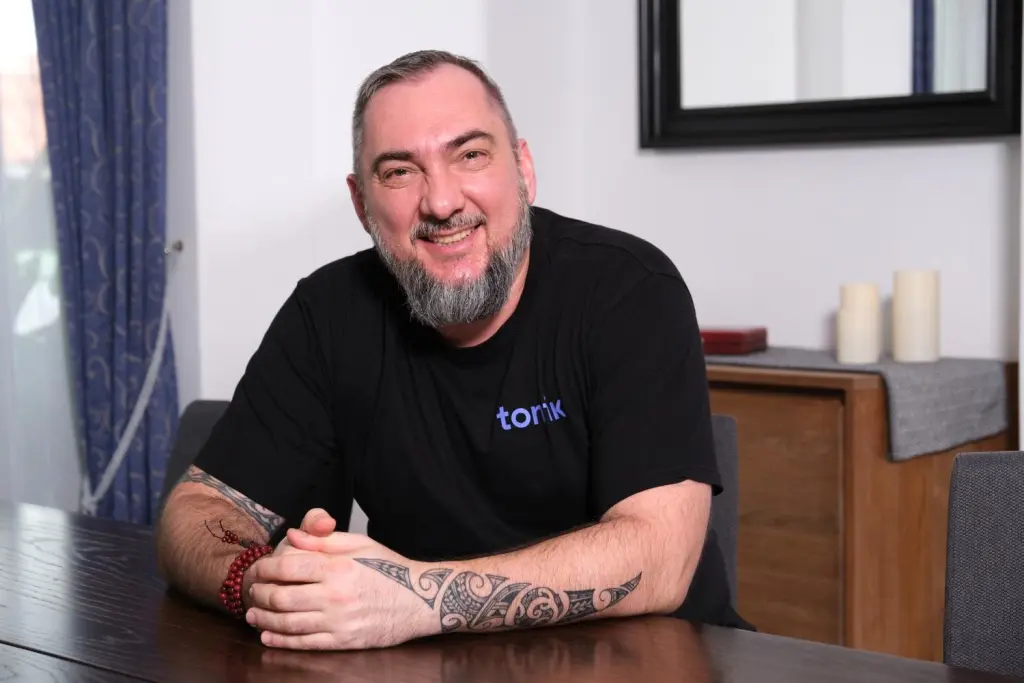
Tonik Digital Bank founder and CEO Greg Krasnov / Photo credit: Tonik Digital Bank
Tonik Financial, the company behind Philippines-based Tonik Digital Bank (TDB), reported a 5.7x increase in net interest income to US$6.2 million in 2022, according to financial statements obtained from VentureCap Insights.
More than half of this income was held in treasury balances with the Central Bank of the Philippines (BSP), amounting to almost US$3.4 million. Income from customer loans surged about 155% year on year, contributing US$1.8 million.
The fintech firm also logged total comprehensive losses of US$37.6 million in 2022, widening 40.3% from the year prior. Its total expenses for the year reached US$32.2 million, nearly doubling the figure from 2021.
In 2022, the company saw its wages and salaries expenses grow over 2x to US$10.6 million.
The firm said its headcount has peaked at over 500 full-time equivalents. However, it is implementing efficiency measures, such as operational automation, which will allow it to scale without significantly growing its workforce.
Marketing expenses also soared 216.6% to US$4.4 million. As 2022 was its first full year of commercial operations, it doubled down on customer acquisition.
Its IT spending shot up 117.5% to US$7.1 million year over year – attributed to the variety of credit products it developed and launched last year.
Tonik’s cash and cash equivalents at the end of 2022 were US$223.4 million, up from US$113.6 million the previous year. Last year, the firm also raised US$131 million in a series B round led by Mizuho Bank.
Founded in 2018 by Greg Krasnov, Singapore-headquartered Tonik Financial launched TDB in 2021, which is largely known as the Philippines’ first licensed neobank. This makes 2022 the firm’s first full year of commercial operations.
“We are performing on target and working on achieving cash flow profitability in the next 18-24 months,” Krasnov told Tech in Asia.
“In the last 12 months, we tripled our revenue run rate. At the same time, our costs remained flat, while loan loss provisions declined significantly. This has allowed us to reduce our cash burn run rate by ca. 50% [during this period].”
Earlier this year, Krasnov told Tech in Asia that TDB would “reevaluate on where it is spending” amid gloomy macroeconomic conditions.
“Risk is part of our daily business. We need to assess where we can allocate our resources so we minimize the risk and optimize profitability,” he explained at the time.





Stay updated on the go with our mobile app.
Get latest insights with smoother, more personalized experience through TIA mobile app.