- Premium Content It takes our newsroom weeks - if not months - to investigate and produce stories for our premium content. You can’t find them anywhere else.
 Joe Gan · · 12 min read
Lessons from the fall of luxury e-tailer Leflair
Angry suppliers have confronted Leflair, alleging that the newly defunct Vietnam-based ecommerce startup owed them around 6.5 billion dong (US$280,000) in unpaid goods. As a result of these claims, the firm’s chief executive, Loïc Gautier, was summoned by the Ho Chi Minh City police department.
Local media reports say the startup founder wasn’t found in his home in the city’s swanky District 2 when the police came knocking. But Gautier tells Tech in Asia that he isn’t running away and that he has contacted “people close to the matter” to resolve this problem.
“I’m not downplaying my responsibility, and it’s my job to face those accusations,” he says. Due to “visa issues” related to the Covid-19 pandemic, Gautier is now in Paris, away from his wife and child, who are both in the US.

Leflair co-founders Pierre-Antoine Brun (left) and Loïc Gautier (right) / Photo credit: Leflair
Things haven’t always been this contentious. Just last year, Leflair’s prospects were looking more optimistic. The company hit the market hard and fast, offering consumers luxury shopping for less. After debuting in Vietnam in 2015, the startup brought on 2,500 brand partners and expanded its operations to Singapore and the Philippines.
Like many startups, Leflair’s survival hinged on acquiring funding on time. Gautier says the startup was on track to securing its US$40 million series C. But despite discussions progressing to “advanced stages,” investors got cold feet.
“We didn’t see winds changing directions that quickly until we started speaking with investors during WeWorkGate in November,” shares Gautier, referring to the ongoing turmoil at the US co-working startup.
He recalls that by December, some of the existing investors started to say, “We really like Leflair, but if it’s not profitable, it’s going to be very difficult to convince our limited partners. We have to pull out.”
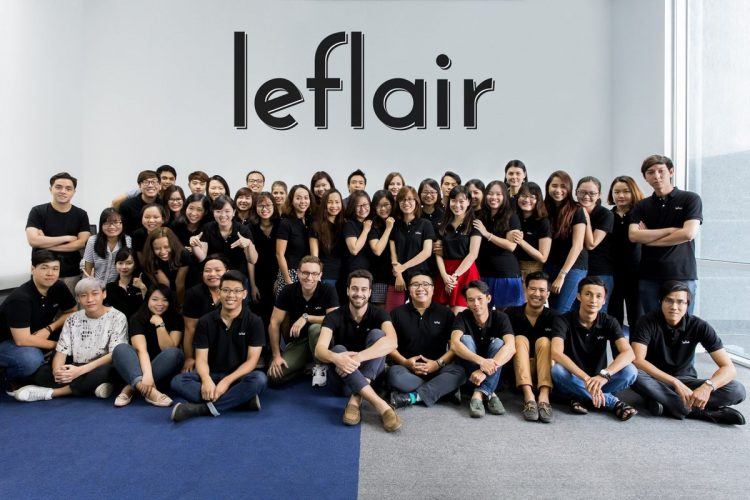
Photo credit: Leflair
Things just kept going south in 2020 as Covid-19 spread across the globe. Leflair’s existing backers became jittery and fell like dominoes: in January, it was investors in China, then in February, it was those in South Korea. By March, the disease had become a full-blown pandemic and all funding discussions were halted.
“We had 15 [existing investors] on the capital table, but all of them had commitments to save their own struggling businesses. And we can’t blame them for this as it was an unpredictable period of time,” shares Gautier.
The startup needed “at least US$2 million” from each investor to keep going. But since its backers are smaller seed investors or corporate venture capitalists, “they didn’t have the cash to fulfill the ticket size needed to keep Leflair afloat,” he notes.
In late January, Leflair retrenched 25% to 30% of its headcount in Vietnam and the Philippines. The company promised to pay their remaining salary, plus a month’s severance. The layoffs were part of its plans to lay low while it searched for a solution. The US$7 million it had raised from its series B had also ran out.
Raison d’être
Missteps and regrets
Next moves
Stay ahead in Asia’s tech landscape
This is premium content. Subscribe to read the full story.
The startup’s CEO says he’s taking full responsibility after being summoned by the Vietnam police and shares what he has learned so far.
We know this is not ideal. ⌛ Sign up in 20 seconds. Cancel anytime.
Our subscriber community includes professionals from these companies:





Stay updated on the go with our mobile app.
Get latest insights with smoother, more personalized experience through TIA mobile app.