Malavika Velayanikal · · 8 min read
She won a $5m check from a VC with just a shiny new idea. Here’s how.

Saroja Yeramilli, founder of Melorra. Photo credit: Melorra.
They were meeting at a coffee shop in Bangalore. Saroja Yeramilli and Sid Talwar. A first-time entrepreneur and a seasoned VC. There was no prototype, no user, no financial plan or target roadmap, no precedents for reference. There was nothing more than an idea on the table. This was unfamiliar territory for Sid.
And so was it for Saroja, who had no experience in pitching to an investor for capital. But she knew what she was talking about. She wanted to build a first-of-its-kind online fine jewelry brand for India’s young urban women.
“It was just a twinkle in my eye at that point,” Saroja takes me back to that evening in December 2014. “I had a sketchy business plan then but a very large vision. I wanted to build an online brand in fine jewelry in India, which would bring back the young generation who have moved away from jewelry. And I knew what were the capabilities we would need within the team to do that.”
Her startup, Melorra, which launched a month ago, is the biggest bet on a business plan by Lightbox. Sid is a co-founder and partner at Lightbox. The VC fund invested US$5 million in it – a gargantuan bet for an untested idea, by anybody’s standards.
The under-jeweled generation
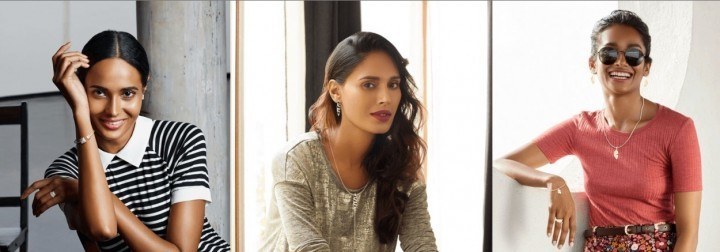
Let’s admit it. Diamonds may be forever; and gold might never lose its shine, but if the choice is between an iPhone 6s and a pair of gold earrings, I will grab the gadget.
And so would most millennials. We are a generation that finds shiny new tech, exotic vacations, and being asset-light enriching. We find freedom in Uber, Airbnb, and things like furniture on hire. There’s no space for expensive jewelry in our everyday scheme of things.
“But does that mean you wear no jewelry?” asks Saroja, pointing out how urban women mix and match costume jewelry to go with their outfits everyday. (Costume jewelry is made of inexpensive materials that simulate gemstones.)
True. “But that’s cheap,” I defend.
“If price is really the deciding factor, how do you explain buying a new iPhone or some other gadget every time new models come out?” Saroja asks. According to her, the culprit behind an “under-jewelled generation” is jewelry itself. “Globally and in India, jewelry has always lagged behind fashion. The gap is at least a couple of years if not more,” she says.
Saroja has done her homework on it. Clearly, when it comes to fashion, young Indian women today prefer western attire. Their work-wear and casual-wear are mostly western-influenced. “Global brands like Zara, H&M, Gap, Marks & Spencer, and so on are widely available in urban India, and women have so easily adopted the latest fashion trends with apparel choices, shoes, and accessories. Young, urban women in India buy expensive Jimmy Choos and Louis Vuittons but they have stopped moving towards jewelry completely – leading to what I call the under-jeweled women of India,” she says.
They have replaced fine jewelry with costume jewelry because those accessorize far better with their modern clothes and overall look, she says.
At the cusp of tech, fashion, and jewelry
Traipsing in malls replaces trips to temples
A stylefeed instead of a catalog
Will there be a golden renaissance?





Stay updated on the go with our mobile app.
Get latest insights with smoother, more personalized experience through TIA mobile app.