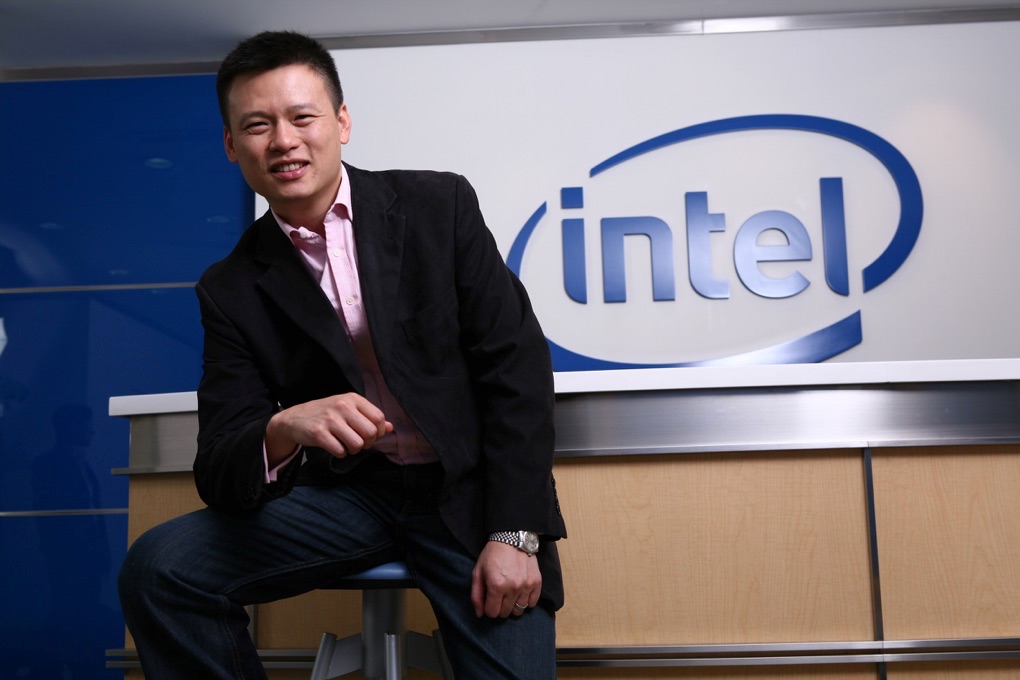
Richard Hsu has been based in China for just over a decade and has seen some momentous changes in the tech industry in that time. He arrived in Beijing in 2004 as Intel Capital’s managing director for China, moving away from his Silicon Valley role with Intel’s venture capital arm.
That was a perfect time to arrive, he says. “In 2004 to about 2007, it was really the re-ignition of venture investment in China. You had all that stuff that happened during the [earlier] 2000 timeframe – the bubble crash, SARS, and all that stuff – and the startup scene here was really depressed,” explains Hsu to Tech in Asia. “And in 2003 to 2004, it all started picking up again.”
But then China’s tech ecosystem bogged down again a few years after his arrival.
Then you had too much money chasing the same ideas, from about 2007, 2008, to 2011. My indicator there was that you had… what… 4,000 Groupon clones in China at one point. And I think there was a real change of mindset after all that collapsed. After that collapsed, I think that [people saw] you can’t just take what’s happening in Silicon Valley and copy it in China. It doesn’t work. You really need to create your own innovative, unique thing in China.
Now, thanks to things like booming smartphone usage, China’s tech industry is rocking again. “The last couple of years is the most exciting time to be in tech investment in China,” Hsu adds.
“Create brands that resonate”
Despite the strength of Baidu, Alibaba, and Tencent, China’s troika of tech titans, Hsu feels that Chinese startups are riding the rising waves. “I’m more positive on all that’s going on here in China in the startup scene than in the last couple of years.” He believes that China’s startups are now in the swing of “doing something unique and something interesting – and something different from the rest of the world. I think you’re going to see some cool stuff out of China,” he says.
Hsu, who first joined Intel Capital in the US in 2000, points to serious hardware as the most visible signifier of what China’s most interesting startups will be producing. “I think there’s going to be some really cool stuff coming from drones and robotics,” he says.
But the Intel VC boss doesn’t see this startup growth as limited just to hardware, and views China’s software startups as a vital part of the shift to local innovation. The challenge for all of these young firms, he adds, is to build a brand, lock down patents, and find new markets.
“It’s about branding. Once Chinese companies learn more about how to brand […], I don’t think it’s going to be a matter of whether it’s hardware or software – but it’s just going to be a matter of their ability to create a brand that resonates with consumers,” explains Hsu.
See: After success with phones, Xiaomi now wants to make your home smarter
Promising partners





Stay updated on the go with our mobile app.
Get latest insights with smoother, more personalized experience through TIA mobile app.