- Insights This article was written by a TIA community member. Insights pieces undergo the same rigorous editorial process that newsroom-produced articles have.
 Yutaka Tokunaga · · 5 min read
Apple’s next move in Indonesia: partner, invest, or leave?
Apple is in a tough spot in Indonesia.
The tech giant has fallen foul of the country’s domestic content requirements, which require that at least 40% of the components in a smartphones sold in the market be produced locally. This policy has led to a ban on the sale of the iPhone 16 in Indonesia.
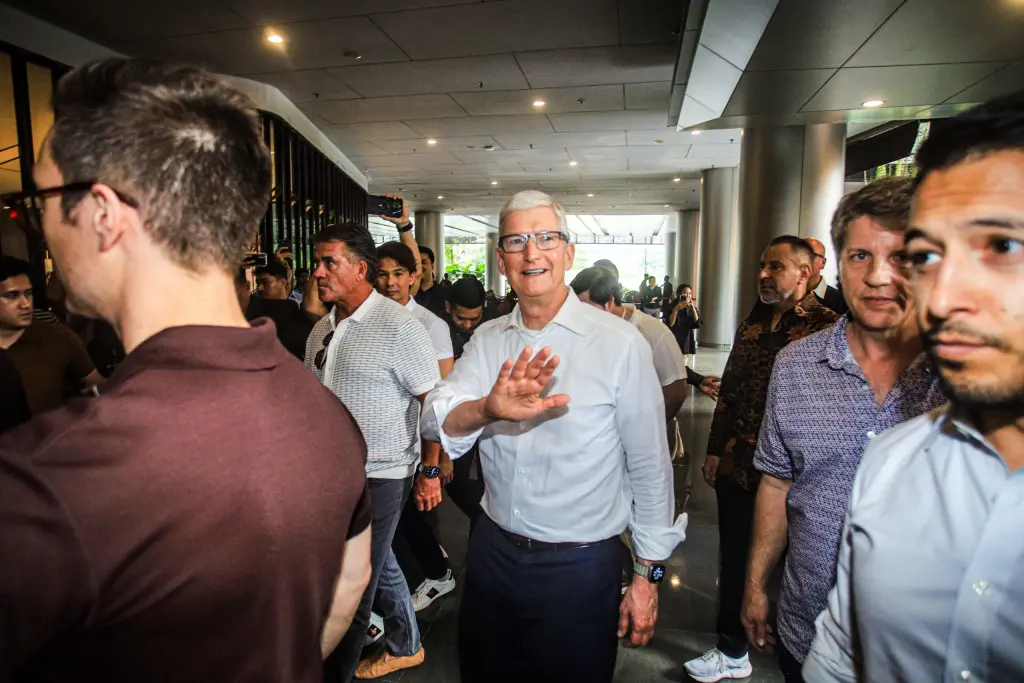
Apple CEO Tim Cook during his 2024 visit in Indonesia / Photo credit: Shutterstock
In response, Apple proposed building a factory for AirTag production on Batam Island, with an investment commitment of US$1 billion. However, the Indonesian government deemed this proposal insufficient, arguing that the local production of iPhones and their key components is necessary to meet the regulations.
Where does Apple go from here? It surely won’t abandon the prospect of sales in a country of more than 277 million people, especially one where competitors like Samsung and Xiaomi have already established manufacturing facilities.
The two parties are reportedly close to striking a deal that will lift the ban, but just what shape could that deal take?
Why has the Indonesian government been so strict with Apple?
Indonesia has been consistent with its foreign investment policy. With an abundance of natural and human resources, the country wants to maximize the value of global companies by localizing production to improve its workforce’s technical skills.
See also: These are the most active investors in Indonesia’s startups
Apple’s high-end products also represent a lucrative opportunity for Indonesia. By pushing the company to invest more locally, the government hopes to capture greater economic benefits, including tax revenue and technology transfer.
However, the country’s leaders do have to consider regional competition.
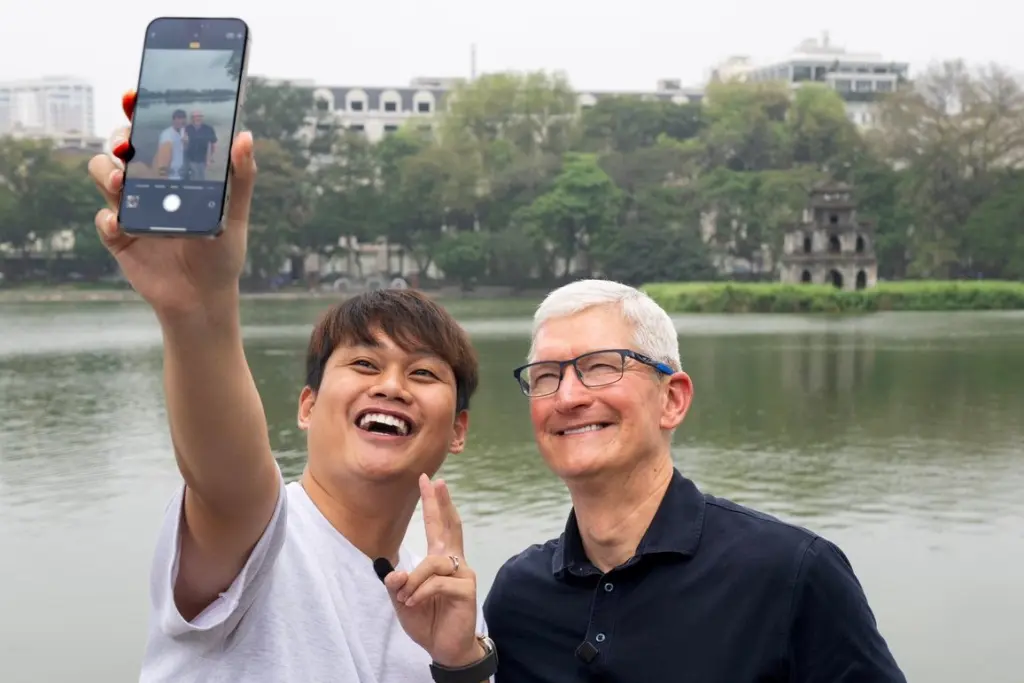
Tim Cook in Hanoi, Vietnam / Photo credit: Tim Cook’s X profile
Countries like Vietnam and India have successfully attracted Apple’s investments in manufacturing facilities. To remain competitive, Indonesia needs to demonstrate its ability to secure similar major investments from other multinational corporations.
Why is Apple reluctant to invest in Indonesia?
I can see several reasons for why Apple has been cautious about making large investments in the country.
What actions might Apple take next?
Stick or twist?
Stay ahead in Asia’s tech landscape
This is premium content. Subscribe to read the full story.
Apple’s proposed billion-dollar factory wasn’t enough to meet Indonesia’s local production rules and lift the iPhone 16 ban.
We know this is not ideal. ⌛ Sign up in 20 seconds. Cancel anytime.
Our subscriber community includes professionals from these companies:





Stay updated on the go with our mobile app.
Get latest insights with smoother, more personalized experience through TIA mobile app.