Osman Husain · · 4 min read
Muslims spend a trillion dollars buying halal food. This startup wants to cater to them
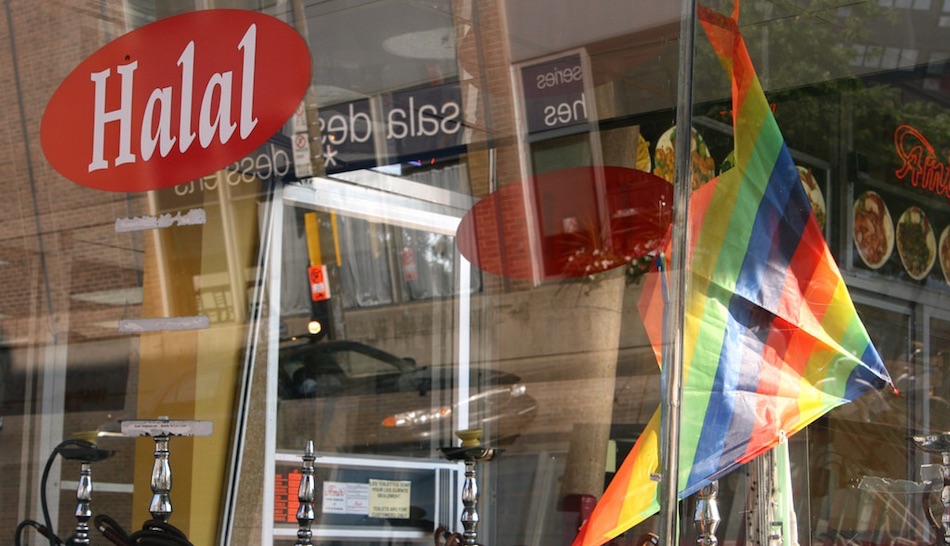
Photo credit: Quinn Dombrowski.
There’s a tendency to herd all Muslims together into one large, monolithic group of consumers. References to things like the ‘halal travel industry,’ or the ‘halal dining market,’ play into this narrative by assuming all Muslims share preferences when it comes to food, travel, and lifestyle.
But Muslims are a geographically, culturally, and linguistically diverse bunch of people. They do share a common religious code of conduct but that’s pretty much where the similarity ends. Muslims from Southeast Asia are very different to their Middle Eastern or South Asian counterparts. They prefer different kinds of food, they wear clothing unique to their cultures, and may even have varying preferences on holiday destinations.
Having said that, there exists a real opportunity for startups to tackle this vibrant market. Practicing Muslims across the world will strictly adhere to things like eating halal food, or staying at hotels where there’s a designated prayer area. The challenge is to cater to this diverse palate by offering a wide range of choices so that a family from Jordan is as comfortable as one from Indonesia.
“So far no one’s really solved this problem […] in an easy and convenient way,” explains Siddika Jaffer, CEO of Halal Dining Club. “There’s a bunch of apps and directory listings out there but nothing that really compares to the mainstream.”

Photo credit: Shazron.
Halal Dining Club is taking on the challenge of providing Muslim consumers a listing of certified halal restaurants close by. The app, which just launched last month, allows users to discover, book, and review foodie outlets and earn themselves loyalty points in the process.
Currently it’s live in Singapore and London. There’s about 1,000 restaurants spread across London and an additional 500 in Singapore, incorporating a large range of food preferences, including Brazilian, Chinese, and Indian.
Careful curation
Each restaurant added to the startup’s database is personally audited by the team. This is done to ensure that they’re actually providing halal food and not simply making it up. Siddika agrees it’s not an inherently scalable model, but insists that it’s the right approach because it helps foster trust with the community.
The startup has launched a crowdfunding program to help it expand, offering equity in return for cash.
“We’ve integrated an element of crowdsourcing where users can recommend restaurants to us but we’ll still audit each one. However, we’re finding that many establishments are approaching us in order to be listed.”
Within the app there’s also filters to rank restaurants based on halal tolerance levels. That’s because when you talk about halal, there’s a lot of debate about what the definition really encompasses.





Stay updated on the go with our mobile app.
Get latest insights with smoother, more personalized experience through TIA mobile app.