- Premium Content It takes our newsroom weeks - if not months - to investigate and produce stories for our premium content. You can’t find them anywhere else.
 Elyssa Lopez · · 7 min read
China lets AI do your shopping. SEA ain’t sold
AI agents are replacing paralegals, transcribing doctors’ orders, and breaking decades-old operating systems. In China, Big Tech giants are betting these agents can take over our shopping too.
In May, Alibaba integrated its AI chatbot Qwen into its ecommerce marketplace Taobao, allowing users to order anything from milk tea to lipstick via chat.
The move comes less than two months after OpenAI halted its “instant checkout” feature in the US, though Alibaba’s AI play looks structurally different from the former’s.

Image credit: Ulla
Unlike OpenAI, Alibaba controls much of the ecommerce stack itself, from the platform (Taobao), the chatbot (Qwen), to payments (Alipay).
The latest move could mark the next phase of ecommerce in China and offer a glimpse of what may eventually emerge in Southeast Asia, which has historically followed many of China’s digital commerce innovations.
However, most analysts and ecommerce operators interviewed by Tech in Asia say that Southeast Asia’s fragmented ecommerce ecosystem could stall the deployment of fully autonomous AI shopping agents. The region’s consumers, meanwhile, have yet to show much appetite for outsourcing their shopping to AI.
“AI has not replaced affiliates in Southeast Asia. In many categories, consumers still trust people more than product pages or ads,” says Paul Srivorakul, co-founder and group CEO of aCommerce. “What AI is changing is the way consumers narrow down choices. [Product] discovery today is no longer linear.”
Can Qwen spark a new ecommerce race in China?
Whether through the Qwen app or Taobao, Chinese users can now converse with a chatbot about any shopping need and expect it to answer with some recommendations.
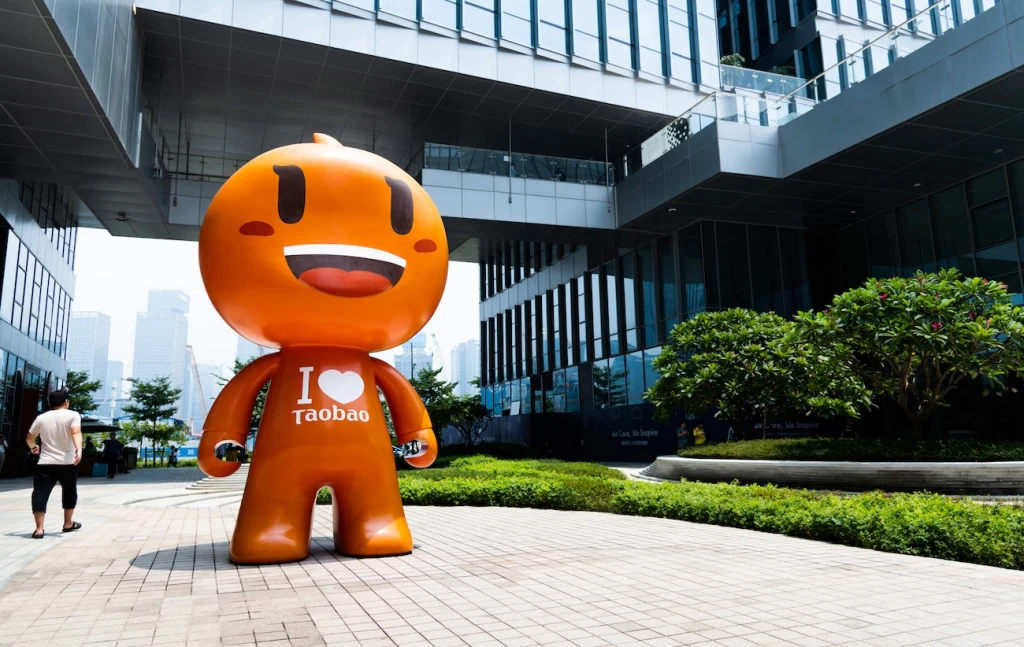
Photo credit: Shutterstock
For instance, a user may ask an open-ended question like: “What do I need for a camping trip?” and the chatbot can respond with a detailed list of must-have items.
But it’s still early days.
Usage of the Qwen-enabled shopping agent on Taobao has been mostly “subsidized” with promos and discounts, says Ming Yii, consultant at Shanghai-based Daxue Consulting, adding that in some instances, transactions fail.
Why SEA is not ready for AI shopping agents
What brands can do now
Stay ahead in Asia’s tech landscape
This is premium content. Subscribe to read the full story.
Southeast Asia’s ecommerce players are betting that AI agents will stay behind the scenes for now. The reason comes down to trust.
We know this is not ideal. ⌛ Sign up in 20 seconds. Cancel anytime.
Our subscriber community includes professionals from these companies:





Stay updated on the go with our mobile app.
Get latest insights with smoother, more personalized experience through TIA mobile app.