 Khamila Mulia · · 5 min read
How coding school Hacktiv8 is closing the tech talent gap in Indonesia
Indonesia’s digital economy is booming, and the country demands a growing number of proficient tech professionals. The shortage of qualified talent in the country is a constant problem for tech entrepreneur Ronald Ishak.
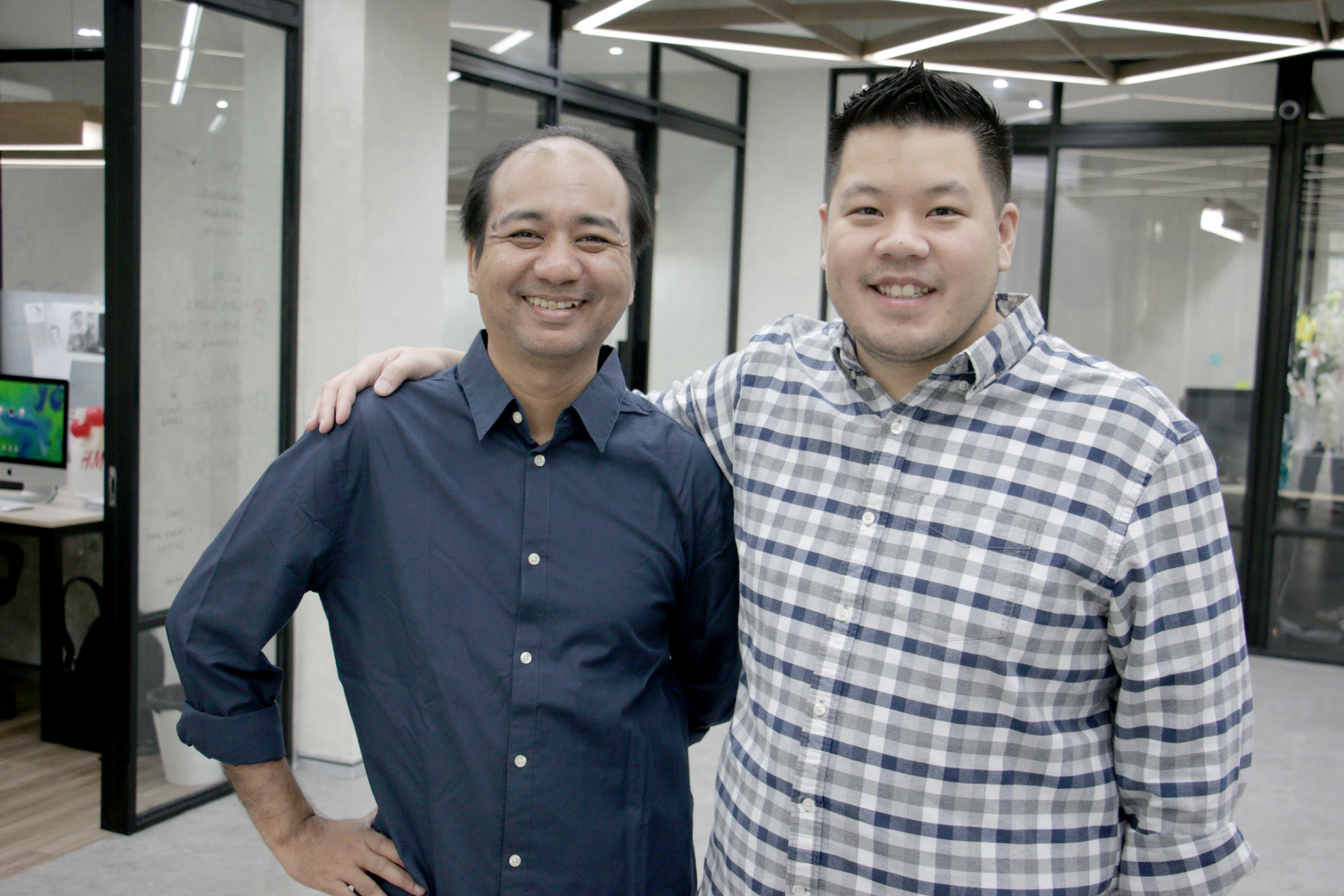
Hacktiv8 co-founders Riza Fahmi (left) and Ronald Ishak / Photo credit: East Ventures
“I was working as a chief technology officer in a local startup and also an investor for some tech companies when I realized that it was very difficult to find good developers and programmers. Companies would hijack tech talent from each other, making it more challenging to build a reliable team,” he told KrAsia in a recent interview.
Ishak isn’t alone, and there is hard data to explain the phenomenon. According to a report titled “The Digital Archipelago” published by McKinsey, Indonesia produces just 0.8 science, technology, engineering, and mathematics graduates per 1,000 citizens, far below the counts in China (3.4) and India (2). The report also said that 15 of 20 top tech companies say that hiring local tech talent is difficult.
Taking the initiative, Ishak set out to solve the problem as much as he could. He decided to build a professional training program that matches the tech industry’s requirements, making it easier for tech companies to hire the people they need. Ishak and co-founder Riza Fahmi established a coding bootcamp called Hacktiv8 in 2016.
Hacktiv8 offers a series of intensive training in JavaScript, Node.js, Vue.js, Facebook’s React framework, and other tools, imparting skills and knowledge to beginner coders so they can become full-fledged developers. Ishak said that half of the students that sign up enter the program with some previous training on IT or computer science, while the other half are typically professionals from other fields who are seeking careers in a new industry.
“We see that there is a skills gap between universities’ curricula and what tech companies expect from employees, which holds back many graduates from finding relevant work.” Ishak said. “Technology is changing fast, which requires new skills that they don’t teach in college. Hacktiv8 wants to solve this problem by providing students with relevant skills.”
Hacktiv8 has three programs – full-time, part-time, and online. It started with 10 students in 2016. It now counts nearly 2,000 people as alumni. Among them, 400 graduated from the firm’s full-time program.
To keep their curriculum relevant and up-to-date, Hacktiv8 works with more than 250 hiring partners, which include tech companies like Tokopedia, Gojek, Bukalapak, and KoinWorks. They participate in a curriculum advisory board to provide Hacktiv8 with feedback regarding its syllabus, which is regularly adjusted to reflect the skill sets that companies demand.
Those hiring partners have agreed to hire a portion of the students that complete the bootcamp’s program.“Hacktiv8 has two functions for graduates. First, we have an alumni team that provides graduates with soft skills, such as how to sharpen their resumes and how to nail an interview. Secondly, we have a placement team that works as a headhunter to channel graduates to our company partners as soon as possible,” he said.
As a result, Hacktiv8’s graduates usually get a job offer within three weeks after completing the bootcamp, with an average entry-level salary of 11 million rupiah (US$800). While Hacktiv8 started the program to route tech personnel into tech startups, it is expanding into conventional businesses like telcos, hospitals, and FMCG companies.

Photo credit: Pexels
“Most students want to work in trendy companies like Tokopedia or Gojek, so companies with more traditional business or that are less popular may even offer higher salaries to entice graduates. It shows how big the demand for quality tech talent is, because all industries are tech-enabled today. For students, Hacktiv8 has a good return on investment because we make sure they’ll get good jobs after the program,” Ishak said.
Beyond the code





Stay updated on the go with our mobile app.
Get latest insights with smoother, more personalized experience through TIA mobile app.












📅 Upcoming Events
22 October 2026
Payoneer x CSPN Summit 2026