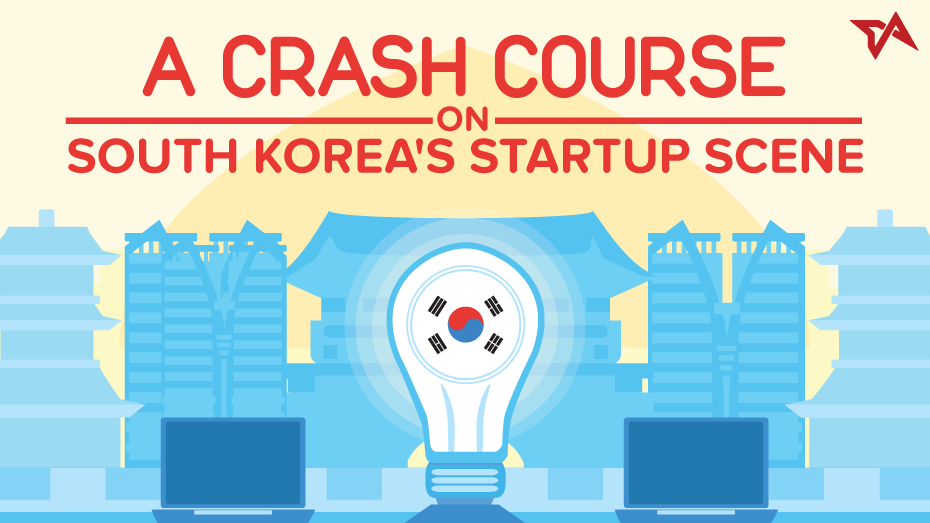
Four years ago, when Park Geun-hye was running for president, she told South Koreans that their country was in dire need of new growth sources. Youth unemployment was reaching new highs, and people were keenly aware that powerhouses like Samsung and Hyundai were struggling against global competition. Her solution was a “creative economy” drive to reform job creation and create a startup ecosystem from scratch.
Elected in 2012, her team has been serious about that pledge. They’re bringing big businesses into the fold and promoting new startup hubs all over the country, overseas educational trips for aspiring startups, and employment centers for wannabe entrepreneurs. Developing 5G for faster internet on smartphones is another priority.
Recently, the government pledged to put Korea in the top seven countries for startup accelerators.
All that work is starting to pay off.
Former 500 Startups entrepreneur-in-residence Tim Chae, who kicked off the accelerator’s US$15 million Korea microfund 500 Kimchi last year, left Silicon Valley for Seoul because he spotted what he calls a pearl in an oyster.
“I think it’s already one of the top single-city markets in all of Asia, from a global standpoint,” he tells Tech in Asia. “And I’m here because I believe Seoul has a chance – and is the right pick – to becoming a Silicon Valley type of a hub for Asian innovation in the next three to five years.”

Dongdaemun Design Plaza, a symbol of Seoul’s modernization. Credit: Eugene Lim.
On top of Seoul’s touted strengths in areas like technological infrastructure and savvy smartphone-toting consumers, Tim also sees the startup ecosystem growing with a changing cultural mindset. Young adults are finally looking past the rat race of entering Korea’s biggest conglomerates and warming up to the idea of founding or joining small companies.
The word “startup” has transformed from a foreign concept to more than a catchy buzzword as indie apps become part of Seoulites’ everyday lives. Tim was pleasantly surprised by entrepreneurs’ sincerity and authenticity in building new companies. “It’s rare to see that kind of genuine entrepreneurial build in Silicon Valley because there is so much noise and hype in doing or being part of a startup,” he says.
Now he feels a personal responsibility to foster this quickly growing ecosystem, which saw the third-most startup funding in Asia last year at over US$1.7 billion, according to Tech in Asia‘s database.
“If Seoul isn’t recognized by the US, Europe, and Southeast Asia as that kind of hub, I personally would feel like I didn’t do my job, although I’m just a small piece of the puzzle,” he adds.
It takes a village to raise a child, and an ecosystem to foster startups. Here are the campuses, investors, and mentors behind the scenes that are making it happen, and some tips on how you can jump in.
Campuses
Co-working spaces and cafes
Networking and playing
Global influencers
Korean players
Government backbone
Sign me up! Not so fast…





Stay updated on the go with our mobile app.
Get latest insights with smoother, more personalized experience through TIA mobile app.