 Jofie Yordan · · 2 min read
GudangAda’s revenue soared 10x in 2022 but profit remains elusive
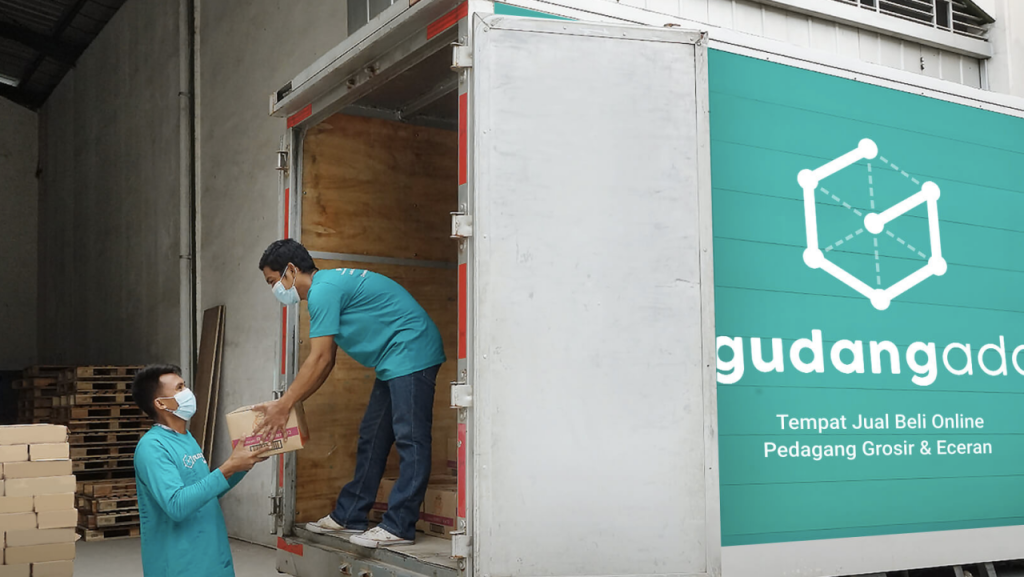
Photo credit: GudangAda
GudangAda, an Indonesia-based B2B ecommerce firm, recorded US$50 million in revenue for 2022, a 10x increase compared to the previous year.
However, the company – which said in mid-2021 that it expected to be profitable within a year and a half – remained in the red. Loss for the year widened to US$33 million from US$20 million in 2021, according to financial reports available on VentureCap Insights, which tracks regulatory filings in Singapore.
The surge in revenue also came with a rise in direct costs. GudangAda’s gross profit grew a more modest 1.7x year on year.
Tech in Asia has reached out to GudangAda for comment.
Trading revenue drove the company’s top-line growth. It earned less than US$150,000 from the segment in 2021 but the figure jumped to US$42 million the following year.
It’s unclear whether the growth represents a change in the company’s business model. GudangAda runs on an asset-light model where it facilitates transactions between vendors on its platform in exchange for commission. Competitors such as Ula and Mitra Bukalapak hold inventory and sell goods to customers.
However, along with the rise in trading revenue, GudangAda recorded US$43 million in inventories recognized as expenses.
Holding inventory lets these companies set product pricing and earn larger margins. On the flipside, it requires more extensive capital.
Just this week, Ula exited its inventory-led distribution model, citing the challenge of investing in the model with its “scale and complexity” amid the sluggish economy.
GudangAda CEO Stevensang previously told Tech in Asia that his company’s asset-light model was the most feasible as it wouldn’t require extensive capital to source inventory from principals as well as build infrastructure.
Trading revenue aside, GudangAda’s commission and logistics revenue grew year on year by 71% and 49%, respectively. The firm also added a new source of revenue in storage and handling services, although the figures were not yet significant.
As for expenses, the company spent US$23 million on employee benefits such as salaries and bonuses, up from US$13 million the previous year. Its marketing expenses also increased by 97% year on year to US$11 million.
The company had US$62.4 million in cash and cash equivalents as of end-2022. Net cash flows used in operating activities stood at negative US$32.6 million.





Stay updated on the go with our mobile app.
Get latest insights with smoother, more personalized experience through TIA mobile app.









📅 Upcoming Events
22 October 2026
Payoneer x CSPN Summit 2026