- Premium Content It takes our newsroom weeks - if not months - to investigate and produce stories for our premium content. You can’t find them anywhere else.
 Simon Huang · · 6 min read
Why Grab’s shares declined despite its ‘strong’ Q4 results
Last week, Grab reported what it termed a “strong set” of results for the fourth quarter of 2023, even announcing a surprise share repurchase program.
However, the super-app’s shares fell by over 8% in the trading session following the announcement. They have remained down by 9% since then.
The share price drop may seem unwarranted for a company that just logged full-year unaudited revenue of US$2.4 billion, above the higher end of its guidance. While Grab ended 2023 in the red, the US$485 million loss for the year was a 72% improvement from 2022’s figure.
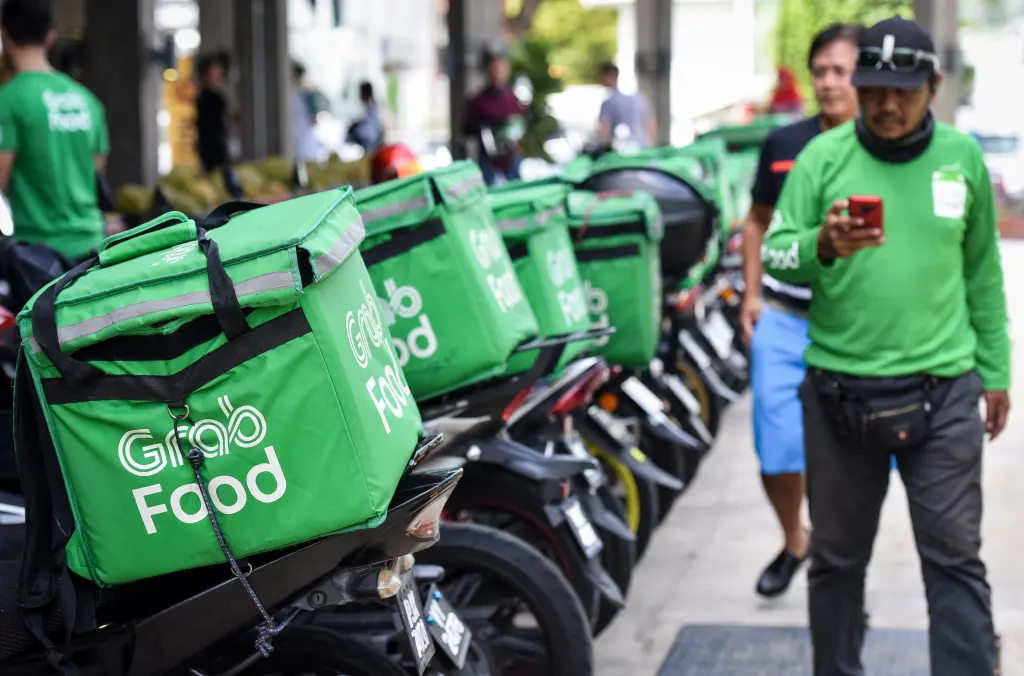
Photo credit: Hafiz Johari / Shutterstock
Its other financial metrics looked good too. Adjusted EBITDA for the group in Q4 2023 was US$35 million, following the landmark US$29 million it reported on the same metric for the previous quarter – Grab’s first-ever quarter of profitability on that metric.
It wasn’t just adjusted earnings that were in the black. In the three months ended December 2023, Grab saw both positive net income and adjusted free cash flow of US$11 million and US$1 million, respectively. Free cash flow is the money a business has left after deducting operating expenses and capital expenditures, and can be considered a key measure of profitability.
So what explains the discordant market reaction?
Revenue guidance below expectations
There were a few caveats.
As Grab’s CFO Peter Oey pointed out during the earnings call, the positive net income figure was flattered by the reversal of an accounting accrual that was “no longer required.”
While the company did not disclose the amount of this reversal, net income would have been lower – possibly even negative – in its absence.
Oey also cautioned that going forward, its quarterly adjusted free cash flow levels could fluctuate “due to seasonal factors and the timing of payments for certain expenses.”

Peter Oey / Photo credit: Linkedin profile
In other words, net income and adjusted free cash flow may not be consistently positive in the quarters to come.
Assessing Grab’s growth plans
Trust us, we’re management
Home market bias
Stay ahead in Asia’s tech landscape
This is premium content. Subscribe to read the full story.
Grab’s shares have underperformed US-listed peers like Uber and DoorDash over the past year despite having similar growth prospects.
We know this is not ideal. ⌛ Sign up in 20 seconds. Cancel anytime.
Our subscriber community includes professionals from these companies:





Stay updated on the go with our mobile app.
Get latest insights with smoother, more personalized experience through TIA mobile app.









📅 Upcoming Events
22 October 2026
Payoneer x CSPN Summit 2026