Osman Husain · · 2 min read
On-demand grocery startup gets funding to start its own farms
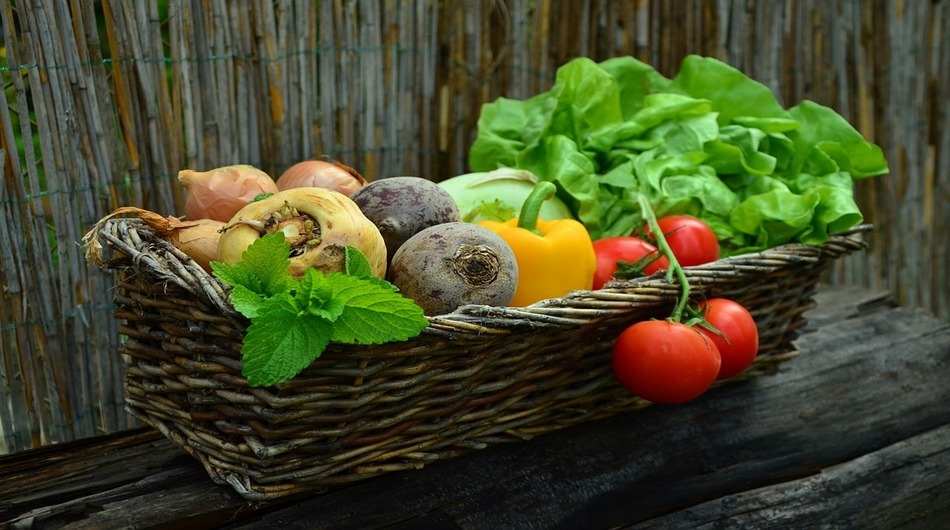
Photo credit: condesign.
Bangladesh has a major food safety problem, with estimates suggesting (PDF) over 50 percent of food available for consumption is contaminated in some manner.
The issue isn’t restricted to a specific part of the supply chain either, making it difficult to eliminate completely. There’s frequent use of chemicals to ripen produce, preserve meat, and addition of toxic food coloring at the time of preparation.
Direct Fresh launched in 2012 to meet the demand for organic produce in Bangladesh. It uses a method known as contract farming, which helps it monitor the entire grocery supply chain.
The startup announced recently it’s closed an undisclosed round of funding, which it says is in the “seven-digit money terms.” Investors in the round are RSA Capital, Business Research International Corporation, and Razor Capital.
The money will largely be used to launch its own Direct Fresh “model farms” in order to train more farmers and conduct R&D, explains Sam Bretzfield, co-founder of Direct Fresh.
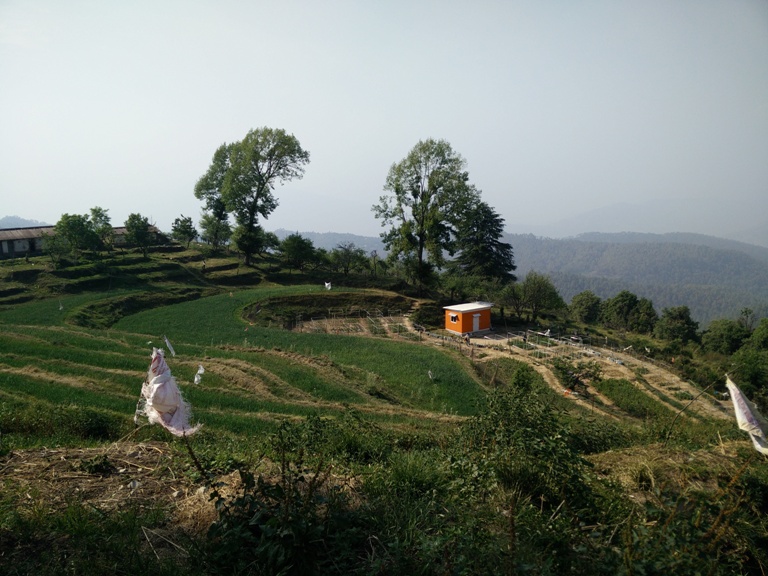
wheat fields on step farms on our way to Mukteshwar. Photo credit: Paloma Ganguly.
“The idea is to introduce new farming practices/techniques […]. In doing so, we hope to change the landscape of the farming industry in the country at the same time. Innovations such as commercial multi-layered farming, which has not been introduced in Bangladesh yet, increases yield by 300 percent from the same square meter of land,” he adds.
Sam admits it’s very difficult to trace food in the existing supply chain. Most produce, including vegetables, fruits, and meat, is sold via wholesale markets. There’s little transparency of where it’s coming from, what pesticides have been applied, or whether traders at the market have sprayed chemicals to increase shelf life.
Direct Fresh hopes to apply what it’s learned in disrupting the vegetable supply chain to fruits and meat as well. Hence the model farms.
The hope is that owning the entire supply chain – from the production of food, to packaging, and delivery – will stabilize costs, allowing consumers to pay similar prices to those at wholesale outlets. So far, it’s locked in about 20,000 household clients who purchase at least once a month.
“Our work is not even close to being done,” affirms Sam.
Editing by Meghna Rao and Steven Millward





Stay updated on the go with our mobile app.
Get latest insights with smoother, more personalized experience through TIA mobile app.