 Sumit Chakraberty · · 4 min read
Baby deaths, fatal falls, toxic waste. These 3 startups fight it with IoT and wearables
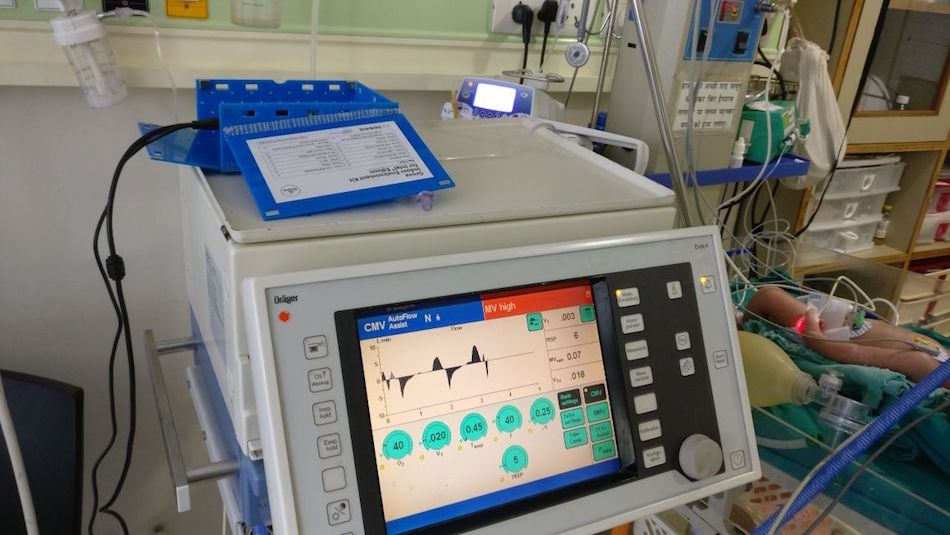
Prototype of iNICU IoT product. Photo credit: Intel.
Infant mortality, lifestyle diseases, urban waste – these are just a few of the massive social problems that tech can mitigate in India. Three startups tackling these problems have emerged as winners of a Digital India challenge run up by Intel in collaboration with the Indian government’s department of science and technology (DST) and MyGov. Intel will announce the winners later today at the T-Hub incubator in Hyderabad.
Digital India is an Indian government initiative to create enabling conditions for the use of tech. Initially, 20 startups were picked from around 800 applicants for the Digital India challenge. This was further narrowed to 10 startups, whose founders received mentoring and hardware support from Intel over a three-month period. They spanned a range of domains from agriculture and healthcare to renewable resources. The three winners showed the greatest potential among them to build sustainable businesses and make a social impact.
See: AI and IoT define the new India – not outsourcing or ecommerce
iNICU
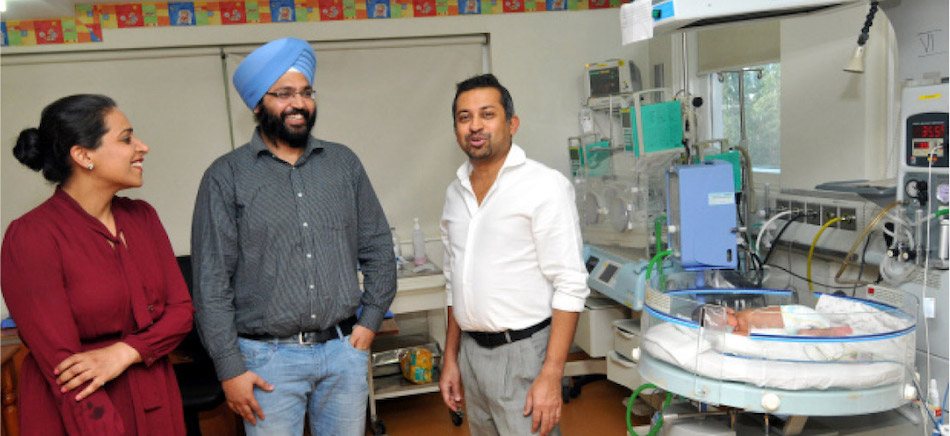
iNICU cloud-based IoT monitoring of babies. Photo credit: Intel.
Harpreet Singh and Ravneet Kaur lost one of their twin babies who succumbed to sepsis after a preterm birth. The other child survived but was prone to illness because of a suppressed immune system. They felt these could have been averted with timely intervention.
Harpreet has an MS in biomedical engineering from the University of Wisconsin, and has worked for McKinsey, Philips, and other global companies. Ravneet has a post-graduate degree in computer science. They decided to tackle the complications that arise from premature births which account for one-fifth of infant mortality in India.
Their healthcare IoT startup iNICU captures data from various monitors in the neonatal intensive care unit (NICU) of hospitals. This is analyzed in real time on the cloud to alert doctors and nurses on any alarming changes in a baby’s condition. Harpreet tells Tech in Asia that Intel’s IoT gateway is helping iNICU let doctors tweak the parameters of what’s monitored or change alarm thresholds to suit their requirements. This is especially useful in reducing the need for iNICU presence at the site and encouraging adoption.
The startup is running pilot programs in three large hospitals in Delhi, the National Capital Region, and Mumbai. It has also tested its product in small towns. One of the first was Rewari in Haryana. The challenge, points out Harpreet, is the wide range of monitoring devices used, from those in state-of-the-art urban hospitals to frugal healthcare centers in small towns.
See: How a medical device maker got $5 million seed funding
Banyan Nation
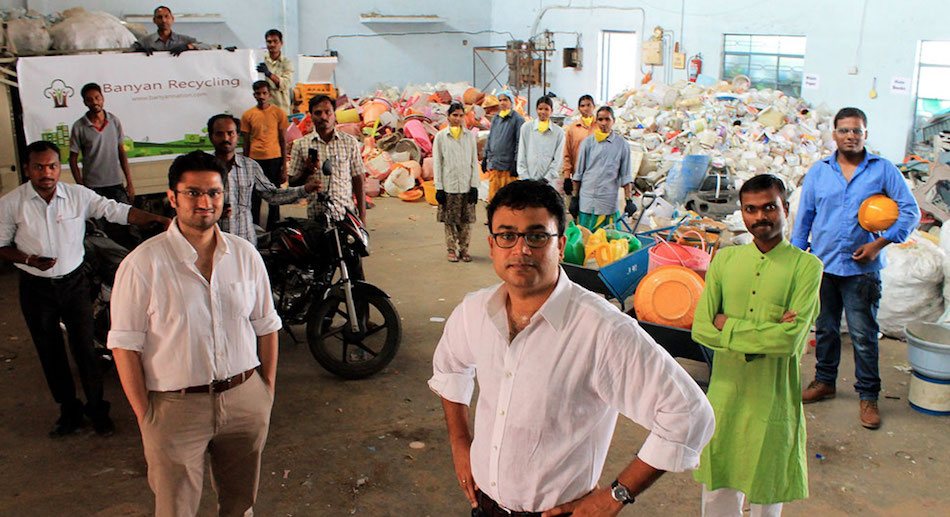
Banyan Nation founder and CEO Mani Vajipey. Photo credit: Intel.
This Hyderabad-based startup was incubated at T-Hub. Banyan Nation is using tech to improve the management and recycling of the growing volumes of urban waste in India. It is working with the civic authorities in Warangal, Telangana to deploy sensors in bins, GPS in trucks, and biometric attendance devices. The IoT data and cloud-based analytics also help with civic plans.
AllizHealth





Stay updated on the go with our mobile app.
Get latest insights with smoother, more personalized experience through TIA mobile app.








📅 Upcoming Events
22 October 2026
Payoneer x CSPN Summit 2026