- Premium Content It takes our newsroom weeks - if not months - to investigate and produce stories for our premium content. You can’t find them anywhere else.
 Jamille Tran · · 3 min read
Vietnam’s chip ambition cramped by talent shortage
Vietnam’s growing importance in the global chip supply chain is exposing some gaps, such as the lack of talent. Industry watchers have said the country may be better off focusing its efforts on chip design and packaging, which have lower barriers to entry.

Photo credit: Fotogrin / Shutterstock
In late October, news broke that Vietnam is hoping to build its first wafer fab, which typically represents the most lucrative and expensive part of the chipmaking process.
Some industry executives, however, have warned that doing this would be expensive – anywhere from US$10 billion to US$50 billion. Others say that talent shortages would hamstring the exercise.
Vietnam’s domestic electronics industry is small, but it is drawing interest from chip companies that are diversifying their production bases beyond China. Major semiconductor players such as Intel and Amkor have built facilities in Vietnam.
The country is poised to “benefit from this new wave of investments from chip companies working to build stronger, better supply chains,” said John Neuffer, CEO and president of Semiconductor Industry Association (SIA), at an industry summit in Hanoi on October 29.
This increased interest is prompting movements in both the public and private sector. A wafer fab, which turns silicon wafers into finished chips, would be the end-goal.
But Vietnam faces a whole host of issues before it can get there. Intel has shelved a planned expansion in the country, according to South China Morning Post. The US-based chipmaker’s concerns about “stability of power supplies” and “excessive bureaucracy” led to the decision, a source told the publication.
Some experts take a more realistic view. “Joining global semiconductor supply chains does not mean we need to have our own chips right away,” said Nguyen Thien Nghia, deputy director of Vietnam’s information and communications technology industry authority.
He suggested “focusing on the low-end and middle segments” in which Vietnam’s chip-design engineers and services are cost-competitive.
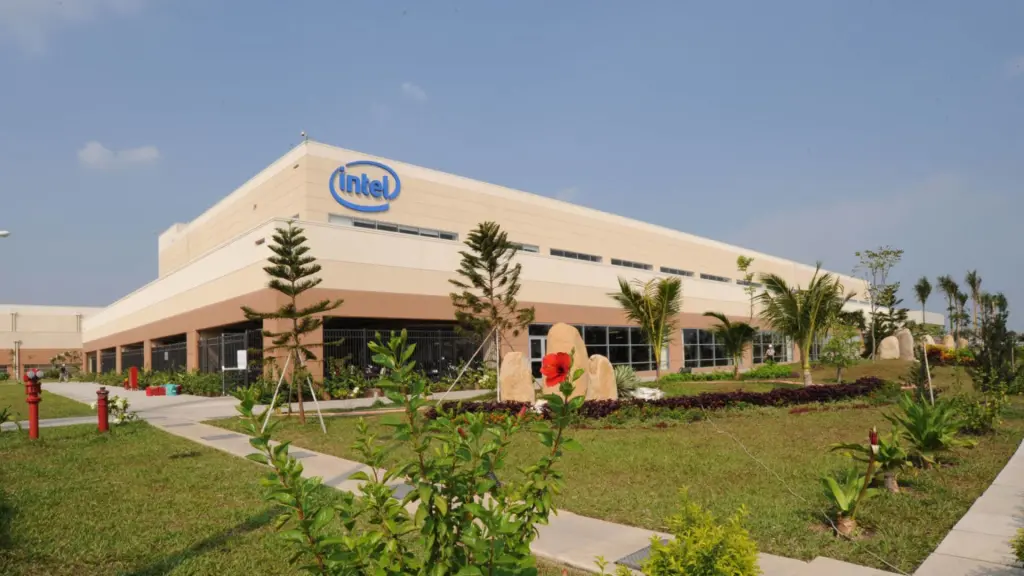
Intel facility in Saigon Hi-Tech Park / Photo credit: Intel
Vietnam is not ready for a wafer fab, cautioned Nguyen Anh Thi, head of the board of management of Saigon Hi-Tech Park. The facility hosts Intel’s existing plant in the country.
Instead, Vietnam should prepare for it by grooming talent to work on chip materials and manufacturing. It can also venture into the knowledge-intensive fields of chip design and packaging.
Stay ahead in Asia’s tech landscape
This is premium content. Subscribe to read the full story.
Experts suggest focusing on lower-end segments that Vietnam can excel in.
We know this is not ideal. ⌛ Sign up in 20 seconds. Cancel anytime.
Our subscriber community includes professionals from these companies:





Stay updated on the go with our mobile app.
Get latest insights with smoother, more personalized experience through TIA mobile app.









📅 Upcoming Events
22 October 2026
Payoneer x CSPN Summit 2026