- Premium Content It takes our newsroom weeks - if not months - to investigate and produce stories for our premium content. You can’t find them anywhere else.
 Melissa Goh · · 6 min read
Can Grab’s dine-in services reverse a fall in food delivery growth?
For over a decade, Grab has surprised by reaching again – and again – into verticals beyond its original ride-hailing proposition. First it was food deliveries. Then it went into logistics, ecommerce, and later financial services.
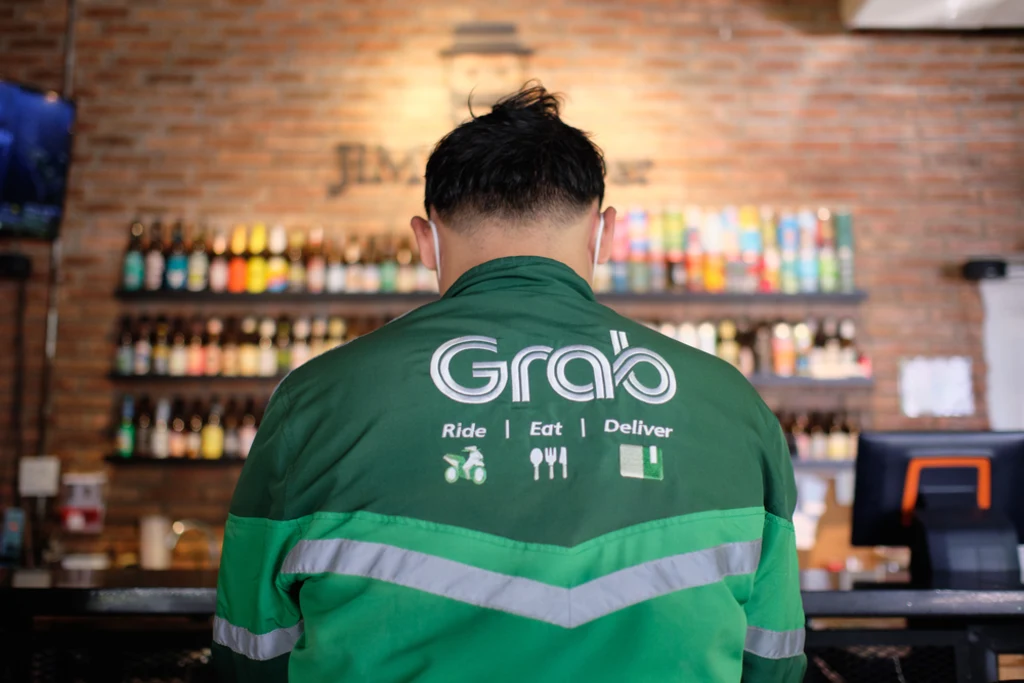
Photo credit: Shutterstock
This time, it’s – possibly – venturing into restaurant services. In May, the Nasdaq-listed company announced new dine-in features that let customers prepurchase dining vouchers, view menus, read reviews, and even book rides to their intended meal destination through Grab – the quintessential “end-to-end” experience.
The move comes as food delivery volumes slow across the region as more people revert to dining out in the aftermath of the pandemic.
It also follows disappointing growth in the company’s food delivery gross merchandise value in its most recent quarter.
See also: Grab’s GMV is stagnant. It needs to reverse that to break even
For now, the benefits for Grab’s restaurant partners appear largely centered around offering vouchers through the app, which can drive sales during the specified periods when the discounts – of up to 30% – are valid.
The feature is currently on pilot in Singapore, the Philippines, and Indonesia. In Singapore, the firm has partnered with over 100 outlets to offer vouchers. Most of these establishments are existing GrabFood merchants, though the company has also onboarded brands that it hasn’t worked with before, a Grab spokesperson says.
Still, that figure is a sliver of the more than 2 million merchants on its platform.
It begs the question: Could Grab’s foray into the restaurant business cushion the possibly persistent decline in its food delivery volumes? How deep into restaurant tech does Grab plan to venture into and how deep should it go?
Not the first
For now, it’s unclear how much Grab plans to invest in the sector. But the firm certainly wouldn’t be the first food delivery platform to go into the restaurants category.
Foodpanda, subsidiary of Berlin-based Delivery Hero, has offered a similar service for several years now.
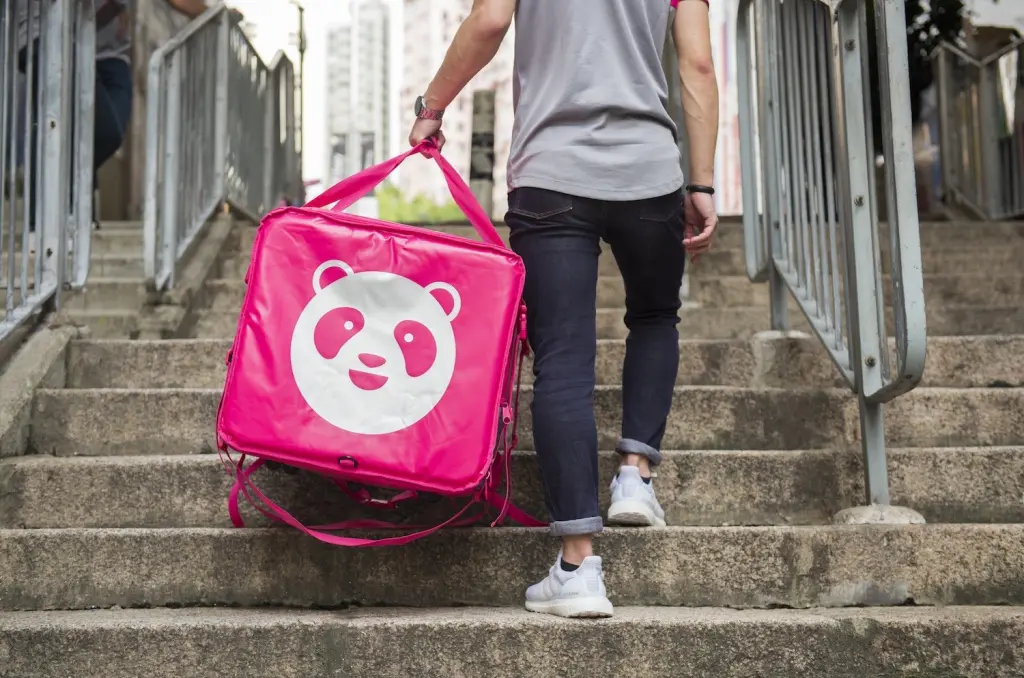
Photo credit: Foodpanda
Can dine-in service boost revenue meaningfully?
An uphill task
Stay ahead in Asia’s tech landscape
This is premium content. Subscribe to read the full story.
It joins food delivery platforms including Foodpanda, Swiggy, and Zomato which have moved into the adjacent category in recent years.
We know this is not ideal. ⌛ Sign up in 20 seconds. Cancel anytime.
Our subscriber community includes professionals from these companies:





Stay updated on the go with our mobile app.
Get latest insights with smoother, more personalized experience through TIA mobile app.










📅 Upcoming Events
22 October 2026
Payoneer x CSPN Summit 2026