- Premium Content It takes our newsroom weeks - if not months - to investigate and produce stories for our premium content. You can’t find them anywhere else.
 Miguel Cordon · · 6 min read
Grab’s $600m Taiwan bet: strategy or stretch?
This week, Grab announced that it is acquiring Foodpanda Taiwan for US$600 million in an all-cash deal. The acquisition, still pending regulatory approval, is expected to close in the second half of 2026.
With the deal – which comes over a year after Uber’s blocked buy of Foodpanda Taiwan – Grab has secured “a leading asset in a duopoly market,” notes Roshan Raj, partner at consulting firm Redseer Strategy Consultants.
“For Grab, this offered a profitable asset at an undemanding valuation, a roughly 37% discount to the US$950 million price Uber had agreed to in May 2024, when Foodpanda’s gross merchandise value (GMV) was likely lower,” he tells Tech in Asia.
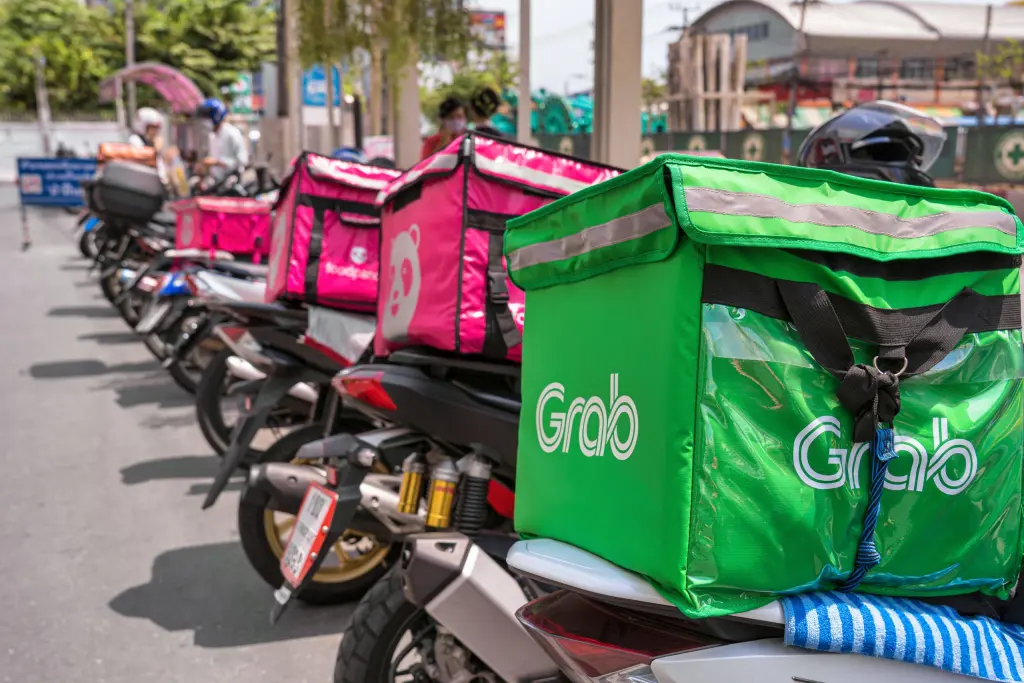
Photo credit: TZIDO SUN / Shutterstock
Unlike Uber, whose offer was blocked on anti-competitive concerns, Grab appears “favorably positioned” on the regulatory front as it doesn’t have an existing presence in Taiwan, Raj adds.
Grab is betting that it can export its food delivery playbook in Southeast Asia to a mature, culturally similar, and high-density market. How fast it can unlock value from the purchase, however, hinges on how smooth the integration of both platforms goes.
Food delivery can also be a stepping stone for Grab to introduce other services to Taiwan – its ninth market and first outside Southeast Asia – like ride-hailing, payments, and grocery delivery.
Notably, the deal provides a cash lifeline to Delivery Hero, Foodpanda’s parent firm. Its shares have fallen almost 90% since their 2021 peak.
“At first glance, the headline number looks like a big step down. But looked at properly, this actually feels like an outcome both sides can be pretty happy with,” Foodpanda co-founder Kiren Tanna noted in a LinkedIn post.
Building on a profitable base
Grab expects the Taiwan business to add at least US$60 million in incremental adjusted EBITDA by 2028. Last year, Foodpanda generated US$1.8 billion in GMV across 21 Taiwanese cities.
Venture builder Momentum Works estimates that Foodpanda holds a 52% to 55% market share in Taiwan, putting it in a slight lead over Uber Eats.
Foodpanda was also profitable on an adjusted EBITDA basis in 2025, notes Sachin Mittal, global head of tech, telecom, and automotive research at DBS Bank. He maintained a buy rating on Grab, calling the deal “near-term neutral,” and he expects value accretion to take at least three years.
See also: Indonesia’s corruption laws cast shadow over Grab-GoTo merger
Grab reported 26.1% revenue growth over the past three years to hit US$3.4 billion in 2025.
The integration friction
Grabbing control
Stay ahead in Asia’s tech landscape
This is premium content. Subscribe to read the full story.
At a 37% discount to its 2024 price, the deal looks attractive for Grab on paper. The real question is how it plans to unlock that value.
We know this is not ideal. ⌛ Sign up in 20 seconds. Cancel anytime.
Our subscriber community includes professionals from these companies:





Stay updated on the go with our mobile app.
Get latest insights with smoother, more personalized experience through TIA mobile app.










📅 Upcoming Events
22 October 2026
Payoneer x CSPN Summit 2026