 Jack Ellis · · 2 min read
Grab slams rival’s fake-booking allegations as ‘malicious’ and ‘untrue’
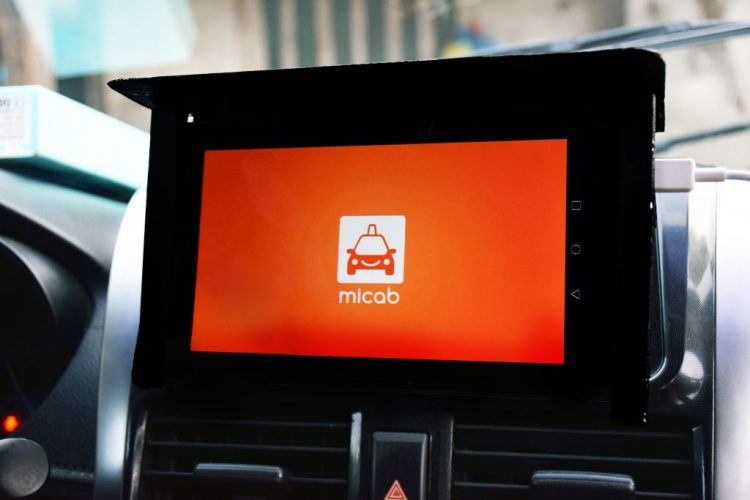
Photo credit: Micab
Grab has denied a competitor’s claims that it was responsible for a slew of supposed “phantom bookings.”
Eddie Ybanez, CEO of Philippine taxi-hailing service Micab, alleged last week that his company’s drivers had been hit with “several thousand” fake bookings. Micab drivers reported having to cancel bookings after arriving at pre-arranged collection points to find no passengers waiting there.
He further claimed that several drivers affected by these phantom bookings received phone calls not long after the incidents, urging them to attend Grab driver-partner orientation sessions.
Brian Cu, country head of Grab Philippines, said in statement yesterday that an internal investigation found Ybanez’s allegations to be “untrue,” and that they appeared “to have malicious intent.”
Ybanez had suggested that up to 29,000 phantom bookings that had been made via the Micab app are likely to be linked to Grab.
Cu said that Grab made “less than 15 completed bookings a day to benchmark industry allocation rates and service levels.”
Grab “categorically” didn’t make follow-up calls to Micab drivers, Cu added.
“If [Ybanez] continues to make further false allegations, we will have to consider taking libel action,” he said.
Micab had not responded to Grab’s counterclaims at time of publication.
Ybanez’s allegations are not the first time that Grab has faced accusations of using phantom bookings to upset rivals’ business.
Singaporean ride-hailing app Ryde said last month that its drivers had been affected by a number of fake bookings, which it had traced to IP addresses associated with office complexes where Grab is an occupant.
Responding to those allegations, Grab said at the time that it would investigate the matter. Grab has not provided any update on that investigation.





Stay updated on the go with our mobile app.
Get latest insights with smoother, more personalized experience through TIA mobile app.









📅 Upcoming Events
22 October 2026
Payoneer x CSPN Summit 2026