Erik Crouch · · 3 min read
Free stock trading app Robinhood is coming to China

Image credit: Wikimedia.
Robinhood, the app that offers commission-free stock trading on the US stock exchange, is coming to China.
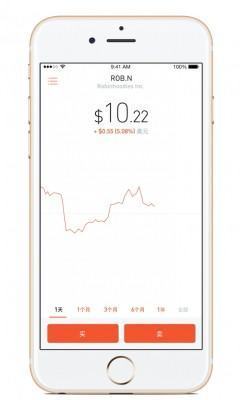
Just this morning, the company launched a Chinese version of its app and website under the name Luobin Xia (罗宾侠). But a finance startup does not simply walk into China.
The current version is aimed at Chinese-language users who are American citizens, and is simply a translated version of the existing program. Robinhood says it is aiming to open shop in mainland China soon – a spokesperson tells Tech in Asia they will support PRC citizen sign-ups by the end of June – but there are some substantial hurdles that it must climb over.
The biggest one is Chinese government approval. The US stock market is very open to foreign investment – but only in US dollars. In the past, dealing with cumbersome, slow, and strictly-regulated currency conversions from renminbi to US dollars have kept most Chinese citizens out of the US market, and only wealthy traders with deep pools of US currency have dived in.
The company says it has found a solution to this issue, but is saving the finer details for the time of the product’s launch.
Assuming all goes to plan, any Chinese citizen 18 or older will be able to buy stocks in American companies with the press of a few buttons – and no transaction fee. The app will require a Chinese ID card, and can only be used by citizens of the mainland (sorry, finance-loving Hong Kongers). The company says Chinese sign-ups should only take four minutes.
Stock stress
Robinhood’s timing couldn’t be better. Last summer and fall, China’s stock markets fell like sacks of rocks, and confidence in them is still shaky.
The mainland markets hit record highs in June 2015, and then tanked, losing nearly 25 percent of their value in just a few weeks. The Chinese market is unpredictable, and the government takes a very hands-on approach to dealing with crises – in one case, forcing the Shanghai exchange to shut down after just 13 minutes of activity.
But while China’s markets may be a bit of a mess, there is a definite interest in investing that expands well beyond the upper echelon of executives and professional brokers. After all, the stock rumbles of mid-2015 were a big deal precisely because more Chinese citizens are investing than ever before.
If Robinhood can find a way to play nice with the Chinese government’s currency restrictions, it could potentially tap into a huge demand for trades on a stable and reliable market. And Chinese citizens would find themselves in a world where they might not be able to go to Facebook or Google, but they could own a chunk of them.
Editing by Nadine Freischlad





Stay updated on the go with our mobile app.
Get latest insights with smoother, more personalized experience through TIA mobile app.