
Around 25 years ago, Southeast Asia had barely anything in the way of internet capabilities. In some areas, such as internet domain growth rate, the region was considered less developed than Africa.
However, it’s an entirely different story today, as Southeast Asia is experiencing massive growth in the digital space.
According to a report by Google, 40 million people came online for the first time in 2021, bringing the total number of internet users in Southeast Asia to 440 million, roughly 75% of its entire population.
Much of this could be attributed to Covid-19. According to the same report, there have been a total of 60 million new digital consumers since the start of the pandemic. What’s more, among the users who joined the digital economy in the first half of 2021, 60% of them came from non-metropolitan areas, which surpasses the 54% figure from March to December the previous year. With these rapid developments, the region’s digital economy is now on track to cross US$360 billion in gross merchandise value by 2025.
What this means for digital companies like Google is that Southeast Asians aren’t just increasingly engaging with digital services, but they are also leading Asia Pacific in several new consumer behavior trends, says Stephanie Davis, vice president of Google Southeast Asia.
Identifying the swell
With Southeast Asia being a mobile-first region, many of these new consumer behavior trends are set to take place in the mobile space. Currently, the mobile penetration rate of several countries in the region exceeds 100%. With the integration of AI, opportunities for engagement have arisen through various mobile channels.
One such channel is voice-enabled capabilities on mobile devices, especially when it comes to voice searches. In this regard, the total number of Southeast Asian mobile users who have interacted with Google using voice functions stands at 49% as of May 2020.
The reason for this higher-than-average figure, explains Davis, is that the vernacular of Southeast Asian languages can be more complex to type out. With an abundance of languages in the region that use different symbols from the English alphabet, such as Thai and Vietnamese, typing could be more time-consuming and less efficient than voice searches, she adds.

Stephanie Davis, vice president of Google Southeast Asia / Photo credit: Singapore Computer Society
“More importantly, voice has made searches more accessible for more people, especially those who may not have the ability to type,” Davis emphasizes. Roughly 6% of Southeast Asia’s adult population remains illiterate as of 2017, a figure that represents some 39 million people.
Another digital activity that has become more popular in the region is video content, driven largely by the pandemic confining people to their homes.
This was reflected in increased watch times for YouTube in the region. In the Philippines, watch time shot up by more than 50% in 2020 compared to the previous year. Thailand also experienced a 20% year-on-year increase in watch time in 2020.
In addition, Vietnam saw watch times for various topics such as pilates, finance, and fashion grow by at least 2x in 2020, which demonstrates the country’s appetite for a variety of content.
Riding the wave
With great growth comes great opportunities, and these trends are a bellwether for Google’s next steps in Southeast Asia, says Davis.
The popularity of video content in the region has led Google to use YouTube as a vehicle for testing new features, especially in the area of ecommerce. According to the company’s report, Southeast Asia’s booming ecommerce industry is expected to reach US$234 billion in gross merchandise value by 2025.
To capitalize on this, Google is piloting a new feature on YouTube that would allow viewers to see and purchase new products while watching a video.
The company also added other features on the video platform such as purchasable live chat elements and channel memberships that function similarly to subscription services. In addition, it is giving creators the opportunity to showcase their merchandise on their YouTube channels.
In March, Google saw a 128% year-on-year increase in the number of YouTube creators in Asia Pacific who have earned more than US$10,000 from using these features, 13% higher than the global average.

Photo credit: Google
To support these efforts, Google has emphasized the importance of localization and language diversification for each country in the region, as it wants to make its technology more inclusive for Southeast Asians and cater to a growing desire for local-language content.
For example, it has worked to support local initiatives such as the #YukPahami (#Let’sUnderstand) campaign in Indonesia, with YouTube being used as a platform to consolidate content for localized, authoritative Covid-19 health information.
Supporting equitable and inclusive growth
With Southeast Asia’s phenomenal growth so far, Google believes that the region will eventually not only lead consumer trends, but also define the future of global digital ecosystems. With the company’s report forecasting Southeast Asia’s economy to reach US$1 trillion in gross merchandise value by 2030, digitalization will bring about more widely-accessible online services, new jobs, and stronger businesses.
To ensure that this digital shift can benefit as many people as possible, the region’s players will have to focus on the right enablers, such as ensuring the proper regulatory frameworks are in place, guaranteeing robust and secure data infrastructure, and securing digital inclusion.
Google, for its part, is investing in several initiatives to achieve these goals. For example, educational programs like the ASEAN Online Safety Academy and Be Internet Awesome are part of the company’s efforts to promote inclusion through digital literacy.
“We’re teaching kids and young adults the fundamentals of digital citizenship and safety. In Thailand alone, more than 1.5 million children have gone through the Be Internet Awesome curriculum,” Davis says.
Apart from these initiatives, Google is also doing its part in supporting the region’s digitalization in other ways. Out of the six key growth drivers for the region identified in the company’s report, Southeast Asia has made significant progress in five of them: internet access, logistics, payments, funding, and consumer trust. However, the region falls behind when it comes to tech talent, leaving the high demand for jobs in the sector unfulfilled. Job seekers will need to upskill themselves and small businesses will have to quickly adapt to the new digital-led environment.
To address this gap, Google Indonesia’s Bangkit, a career development program for students, and its online skills courses could be of great help.
With these efforts, Google hopes to tackle opportunities in talent development, digital inclusion, and sustainability. It also aims to play a part in driving progress in these areas to support the up-and-coming region, creating equitable growth that shares the benefits of digitalization with everyone while building the future of the internet for a bigger, better digital economy.
“The digital decade in Southeast Asia is here and there is no turning back. By 2030, consumers will be living and breathing digital,” the vice president adds. “We want to play our role in building a digital decade for everyone.”
Google’s mission is to organize the world’s information and make it universally accessible and useful. Its 2021 e-Conomy SEA report was published on November 10 in partnership with Temasek and Bain & Company, which looks into the digital economies of Southeast Asia.
To find out what is driving the region’s internet economy forward and where opportunities for the future lie, download its report.
This content was produced by Tech in Asia Studios, which connects brands with Asia’s tech community. Learn more about partnering with Tech in Asia Studios.
Stay updated on the go with our mobile app.
Get latest insights with smoother, more personalized experience through TIA mobile app.
Recommended reads
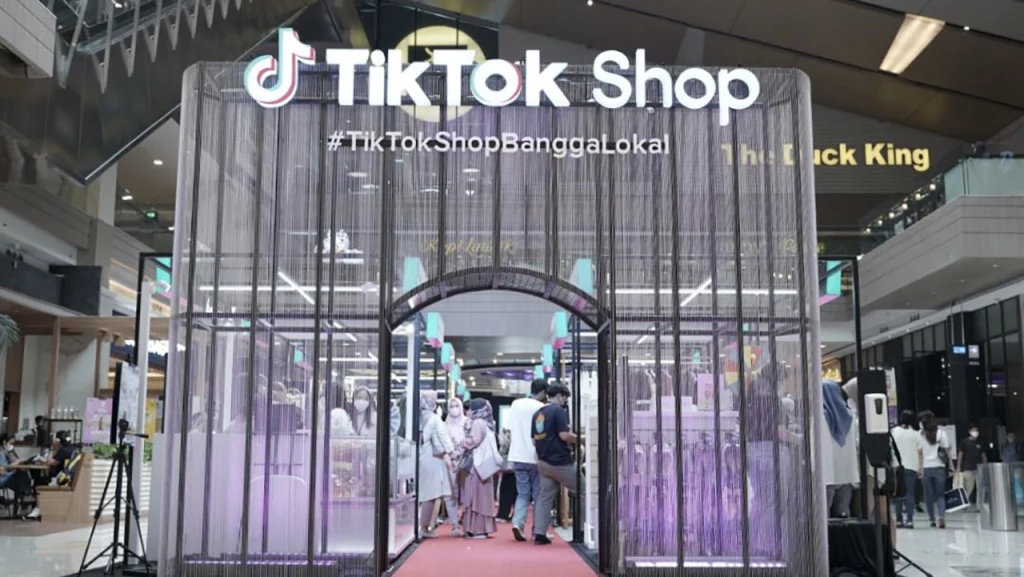 TikTok Shop officially closes in Indonesia tomorrow
 Why did Indonesia choose Sam Altman for its golden visa?
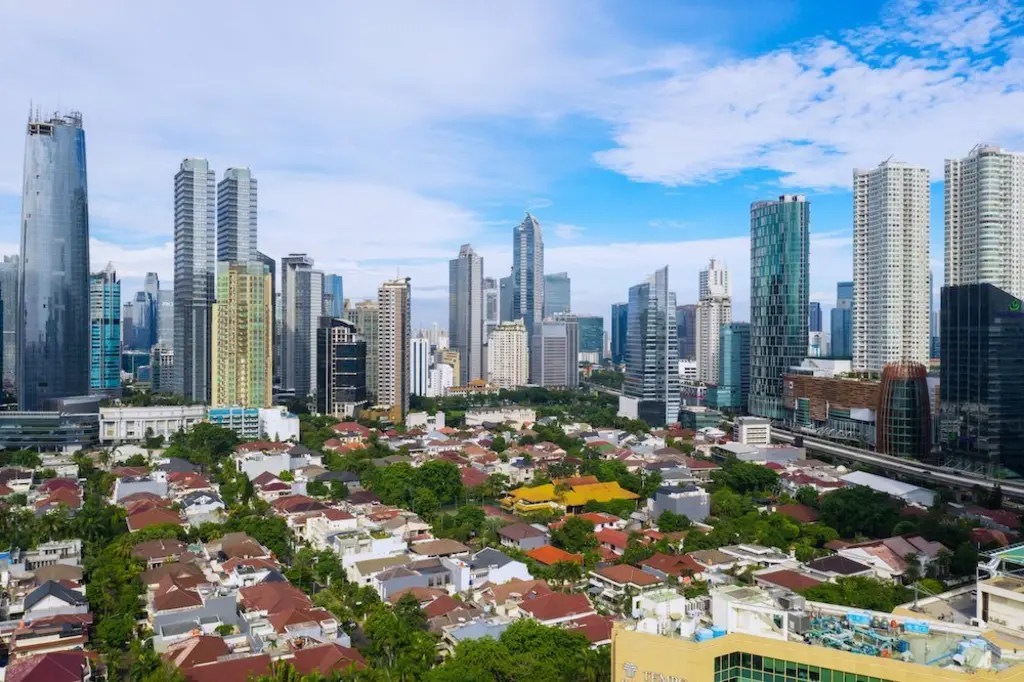 ASEAN needs $2t to reach net-zero goal: climate forum
 Bukalapak-backed ecommerce firm iPrice expands to Australia
 SEA Marks The Spot: The 2023 Tech in Asia Conference Report
 Delivery Hero denies deal to sell Foodpanda to Grab was cancelled
- Foodpanda vs. natural selection
 Trading platform Moomoo rolls out in Malaysia
 The keys to J&T Express’ rapid global expansion
 Indonesia sets one-week deadline for TikTok Shop to become standalone app





Editing by Nathaniel Fetalvero and Lorenzo Kyle Subido
(And yes, we’re serious about ethics and transparency. More information here.)





