This is extracted from our Market Expansion ebook, which gives tips on expanding into many Asian countries. Scroll to the bottom to download it.
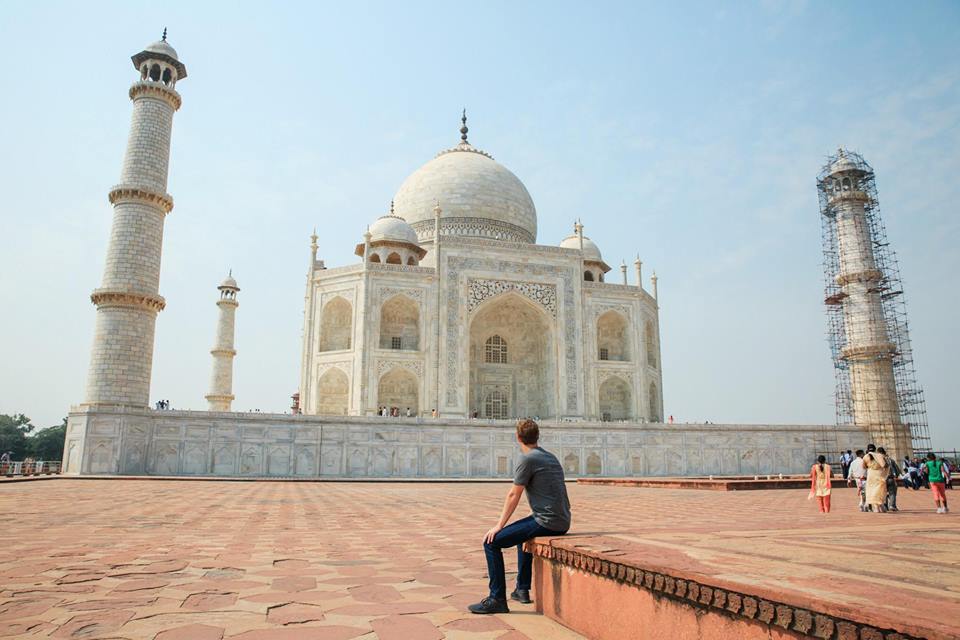
“It is even more stunning than I expected. It’s incredible what people can build — and what love can motivate us to build,” says Mark Zuckerberg about the Taj Mahal.
There’s a storm brewing in India, fueled by cheap smartphones, widespread internet, and increasing spending. According to a report by McKinsey, these factors will help make the country of nearly 1.3 billion the world’s fifth largest consumer market by 2025.
Thinking about expanding your company in India? Here are a few things to keep in mind.
Start small
With 22 official languages across 29 states and seven union territories, India is diverse. Add to that innumerable religions and major class differences, and you have a melting pot of customers that is impossible to tackle at once. Start small by focusing on a single region and moving outward.
India’s major urban cities include governance hub Delhi, financial capital Mumbai, and technology hub Bangalore. Consumer tech startups like food delivery company Swiggy and ecommerce site Flipkart have had considerable success in these regions.
It gets more difficult once you get out of urban areas and the upper class, though.
In 2011, the World Bank estimated that nearly 24 percent of the country’s population lived on less than US$1.25 a day.
Most startups tackling non-urban and rural India are social enterprises, which sell their goods and services with an important fact in mind: while there may be over a billion people in the country, most of them can’t afford to spend money on things that aren’t the absolute basics. Other products like cheap smartphones have slowly started infiltrating these corridors.
Local competition

Photo credit: Wikimedia.
India has a grand total of 4,200 technology startups, says a recent study conducted by the Associated Chambers of Commerce of India (ASSOCHAM), officially making it the third biggest startup hub in the world. Chances are, your startup will have a fair amount of competition.
Of course, with the novelty of India’s startup ecosystem will come many failures – 997 Indian startups have shut shop since June 2014, states research company Xeler8.
Some sectors like fintech are heavily regulated and nearly impossible for foreign startups to crack. Others, like ride-hailing and ecommerce, are only now helping shape regulations.
Setting up shop
Creating a team





Stay updated on the go with our mobile app.
Get latest insights with smoother, more personalized experience through TIA mobile app.