Terence Lee · · 3 min read
Why subscriptions – and not free content – is the future of media
Dear readers,
People often ask us why we put up a paywall. After all, can’t we make money from ads? Won’t our engagement on Facebook suffer? Won’t this be the end of Tech in Asia?!
What we’ve found is this: Free content that’s dependent on social media virality has major drawbacks.
Let me break it down:
1. It’s hard to make money from ad revenue alone.
Gone are the days when publishers can make the bulk of their income from advertising.
Print circulation has dwindled, and online advertising is dominated by Facebook and Google.
These internet giants don’t produce content of their own (that’s an expensive endeavor), and yet dominate internet traffic. As a result, they can afford to charge rock-bottom rates for ad space.
Like it or not, publishers have to match those rates even though they’re footing the bill for content production.
So far, major publications that are heavily reliant on ad revenue have not met financial projections. Branded content and premium ad spaces are helping, but they’re still not enough.
US telecom giant Verizon recently admitted in a regulatory filing that the brand value of its media arm, Oath, is “almost nothing,” as a CNN report put it. Oath’s properties include Yahoo and Huffington Post.
Even Buzzfeed and Business Insider, which are mostly known for clickbait content, are testing subscription programs.
Here’s the reality: Publishers who count on internet platforms for traffic and revenue align themselves with entities that may be half-hearted about supporting credible news.
Facebook, in particular, is caught in a bind. How can it support journalism when its business is highly dependent on promoting content that distorts facts and manipulates emotions in order to get eyeballs?
2. Tech in Asia can’t rely on ad revenue.
We might consider relying on ads if our game plan is to go after a massive consumer audience.
But that’s not our play. We’re a business publication targeting Asia’s tech industry, making us a niche offering. We’re not about making a few cents off each user. No, we aim to deepen our engagement with every single customer.
Think of the quality business publications out there like Bloomberg, Financial Times, and The Wall Street Journal. They all have a paywall of some kind, and you expect the best from of them.
Our financial performance since we launched our subscription program has validated our direction: More than 80 percent of our media revenue (excluding branded content) comes from subscriptions.
As Tech in Asia marches towards profitability, subscriptions will have a major role to play.
3. Subscriptions incentivize quality content.
Before we launched our subscription program, we measured our content’s performance with pageviews. Post-subscription, we threw in “subscriptions acquired” into the mix.
Pre-subscription, our conversations revolved around getting the most pageviews for our content. Post-subscription, we became focused on acquiring and retaining paying users who demand quality from us.
Yes, money can buy happiness: if people are willing to pay for your product, it means they value it. And that makes me happy.
Since September, we’ve invested over US$10,000 of our subscription revenue back into producing more content. As our income grows, we hope to create even more.
Here’s the kicker: We expected our traffic to plummet once our paywall went up. That hasn’t been the case so far.
Our post-paywall pageviews actually went up 2 percent compared to the same period last year.
Sometimes, you can have your cake and eat it, too.
Anyway, as is our weekly tradition, here’s the subscriber-exclusive content we published in the past week (subscribe to read). Enjoy.
- Zalora lays off its Singapore marketing staff: sources
- Debunking the myth of Indonesia’s series B gap
- Residential real estate is falling apart. Enter housing-as-a-service
- Indonesia is heating up as an IPO destination for startups
- Grants, incubators, and more: Here’s how the Singapore government helps entrepreneurs
- After exiting 2 startups in the US, he launches another one – this time in Vietnam
- Rising SE Asian startups this week: Jirnexu, Neuron, and more
- Rising startups in Japan this week: Sansan, Axelspace, and more
Stay updated on the go with our mobile app.
Get latest insights with smoother, more personalized experience through TIA mobile app.
Recommended reads
 Life’s a game, and AI agents are Animoca’s new play
 Indonesian AI startup goes global
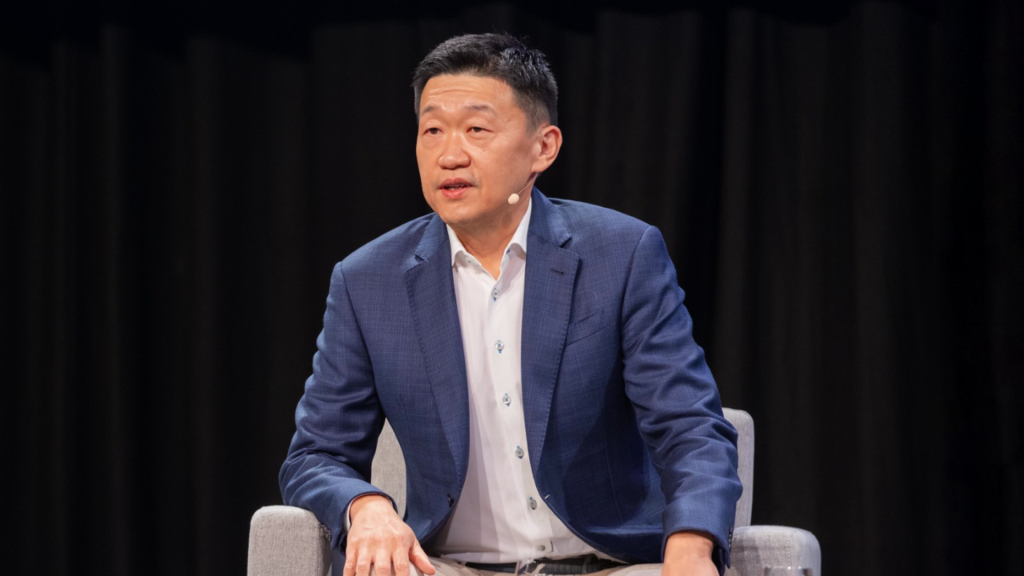 Forrest Li on scaling Sea, building smarter bots, and founder grit
 An AI assistant that joins sales calls and scores team skills
 Beyond the check: Why VCs need more than capital
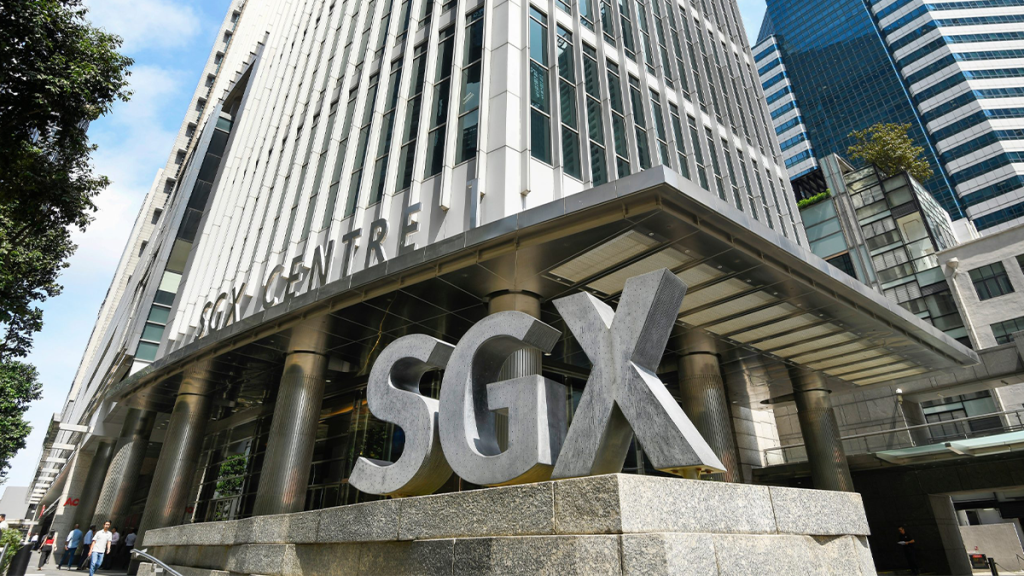 SGX’s CEO says it doesn’t need a unicorn to win
 SMEs want AI too, but not the kind Big Tech is selling
 Oatside’s alt-milk rise hits a profitable gear
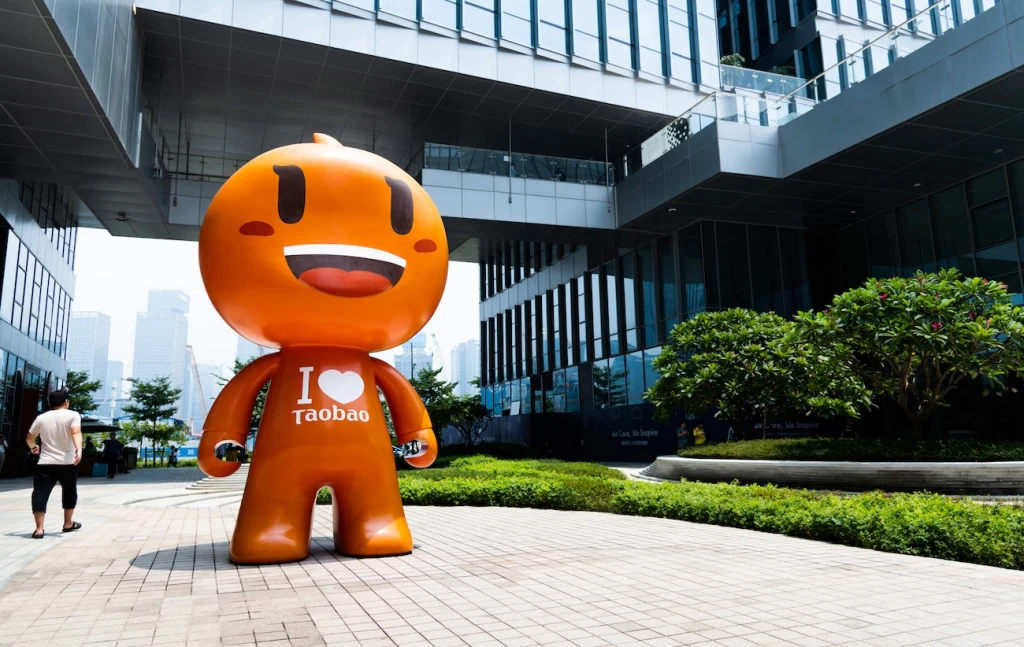 Alibaba’s financial health in 12 charts
 Asia’s telcos bundle AI into mobile plans. Will it pay off?