- Premium Content It takes our newsroom weeks - if not months - to investigate and produce stories for our premium content. You can’t find them anywhere else.
 Keji Elder · · 9 min read
Analysis: Why Meituan could dominate China’s shared powerbank market
Meituan-Dianping has moved back into China’s powerbank rental sector after abandoning it around three years ago. This will reshape the industry by enticing millions of retail space providers with an offer they can’t refuse: Sign up for our powerbanks and get visibility in our apps for a better chance of reaching hundreds of millions of customers.
Retail space providers or merchants supply the real estate needed to house rental powerbank stations where users can borrow and return chargers. These kiosks are located in public spaces with high foot traffic, such as restaurants, movie theaters, shopping malls, office buildings, hair salons, karaoke bars, and other places of leisure and entertainment.
Shared powerbanks: A billion-dollar opportunity or fool’s gold?
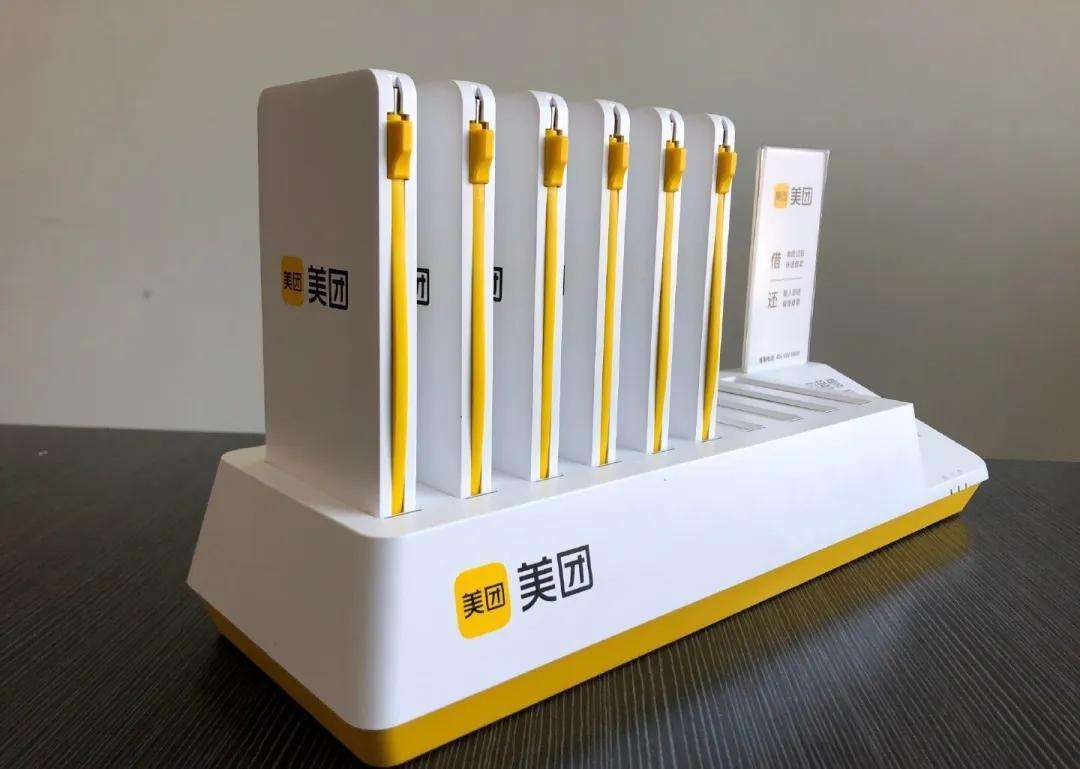
Retail shops represent many of the more than 6.2 million vendors on Meituan’s platform, giving the company a natural advantage as it can immediately recruit them to join its powerbank ecosystem.
So how does Meituan’s offer work? Every time someone charges their phone with a Meituan powerbank on store premises, that shop will get a page view boost in Meituan’s ranking algorithm, resulting in greater visibility across the company’s apps and a better chance of being seen by its 451 million users.
Merchants only need to provide the physical space for powerbank stations and sign the contract to be entitled to 60% of rental revenue and the all-important visibility boost in Meituan’s marketplace.
Meituan’s offer [harks back] to the advice that Grab co-founder Anthony Tan got from Masayoshi Son , when the SoftBank CEO wanted to invest in the Southeast Asian startup: “You take my money. It’s good for you. It’s good for me. If you don’t take my money, not so good for you.”
Any shop that doesn’t become part of Meituan’s powerbank system loses out against those that do. Retaining an existing partnership with a different powerbank-sharing company is also a disadvantage – using another powerbank is a lost page view in Meituan’s ranking system.
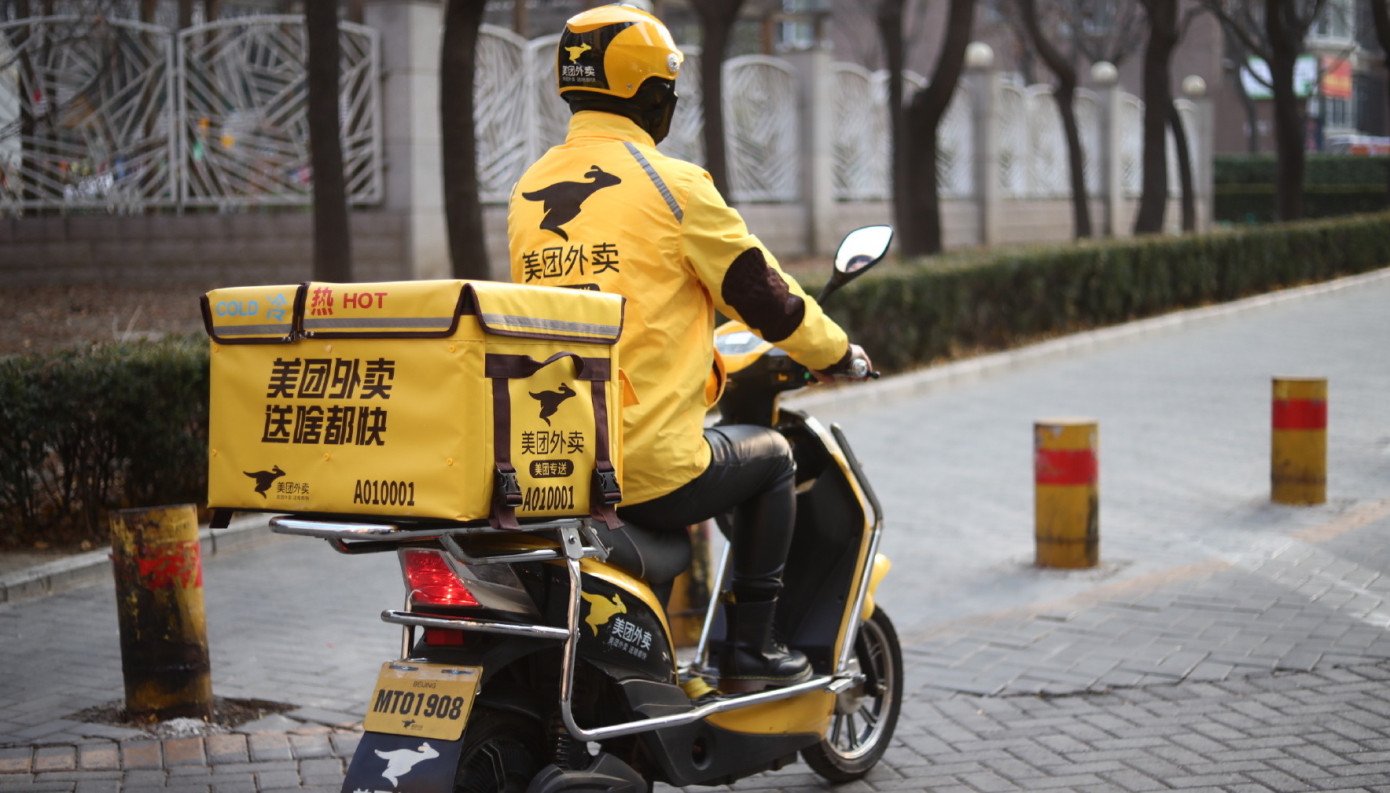
Photo credit: Meituan-Dianping
On the other hand, accepting Meituan’s offer seems to benefit all participating merchants as well as the customers they serve.
Vendors, for example, can increase page views at no cost – a welcome addition in an environment rife with ad fraud, where shops routinely buy traffic and falsify data to gain prominence in Meituan’s apps. Thanks to the new and more trustworthy signal for store quality, consumers get a better user experience and can make more informed choices on their purchases.
Meituan gains by getting higher revenue, user growth, and merchant retention. Rival rental powerbank companies are left behind and the market is fully at Meituan’s mercy. Its shared powerbank ecosystem also establishes a walled garden from which it can defend itself and attack new targets.
A brief history of shared powerbanks in China
Biding time
A second attempt
Lessons from an earlier war
An “everything store”
Stay ahead in Asia’s tech landscape
This is premium content. Subscribe to read the full story.
Shared power banks were once derided as a joke. But Meituan is now entering the market in a big way.
We know this is not ideal. ⌛ Sign up in 20 seconds. Cancel anytime.
Our subscriber community includes professionals from these companies:





Stay updated on the go with our mobile app.
Get latest insights with smoother, more personalized experience through TIA mobile app.







📅 Upcoming Events
22 October 2026
Payoneer x CSPN Summit 2026