When we had several assignments to do in high school, I would procrastinate and sit on them until the last moment. A day before the submission deadline, I would scramble to complete them by quickly finding things on the internet and just putting them together without rewriting them. I also didn’t properly attribute these texts to their sources.
While that strategy worked in high school, it didn’t fly with professors in my first year of college who quickly pulled me up for it. Though it was an uncomfortable moment for me, I’m glad that it happened as it taught me the ethics of attribution and respect for someone else’s creation.
This is why my thoughts about generative AI projects are split. While I have been amazed at what tools such as ChatGPT 4, Midjourney, and Stability AI can do, it has also made me question the ethics of these large language models, which were trained on data without any consent from the original creators.

Photo credit: Shutterstock
This is especially disturbing since many of the companies behind these AI tools look to make a profit out of them. While I hate saying this, I agree with Elon Musk on nonprofit firms suddenly turning into for-profit enterprises.
As my wife is an artist and designer herself, I understand that it takes years to hone such skill. To see someone without any artistic skill replicate her designs using such tools is a disservice to people like her.
This is why several artists have filed lawsuits against AI art tools such as Stability AI and Midjourney for copyright infringement.
That said, players such as Adobe are looking to steer clear of the copyright issues and lawsuits. The company launched its own generative AI tool called Firefly two weeks ago.
It says that the AI model has been trained exclusively on its royalty-free media library, Adobe Stock, as well as on images that are openly licensed and on public domain content where copyrights have expired. The company looks to integrate the tool in its suite of products such as Photoshop, Express, and Lightroom.
Adobe says that it is also exploring a way to compensate contributors to Stock, which would allow them to earn from their submissions. This is expected to be similar to Shutterstock’s Contributor Fund, which reimburses creators for work used to train AI models.
Currently, Firefly is in beta mode and only available on Adobe’s website, but it will be soon integrated into its products. Like other AI art tools, it can generate images and text, but it’s also able to create graphic designs, 3D models, illustrations, and video edits.
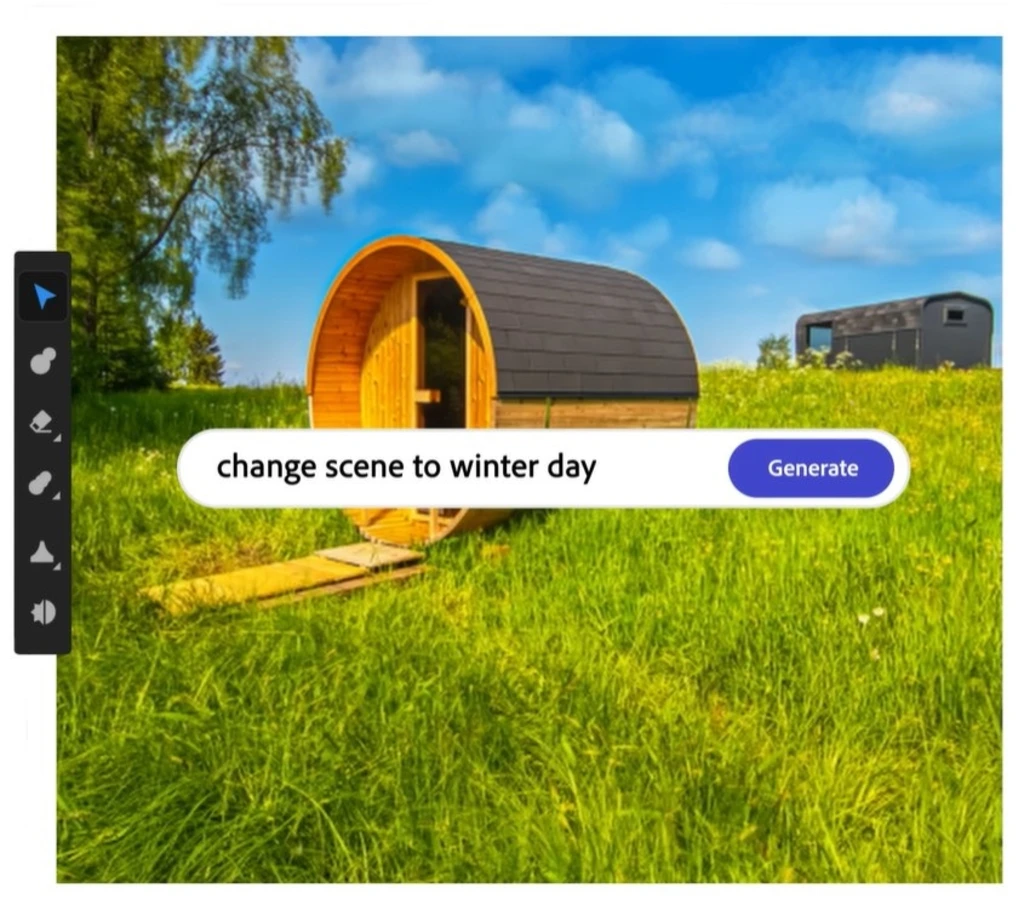
Image credit: Adobe
Some of these models have yet to be introduced by the company but are in the works. Once made available with its suite of products such as Illustrator, Premier Pro, Photoshop, and Lightroom, these features can help creators in improving the time and efficiency on projects.
While some say that Adobe’s ethical route is the reason it is late to join the text-to-image generative AI space, it seems to be a safer route given that the company’s products are used by several businesses who don’t want to be tied up legal issues.





Stay updated on the go with our mobile app.
Get latest insights with smoother, more personalized experience through TIA mobile app.