- Premium Content It takes our newsroom weeks - if not months - to investigate and produce stories for our premium content. You can’t find them anywhere else.
 Emmanuel Samarathisa · · 5 min read
The lowdown on Malaysia’s new $832m tech budget
Update: (March 2, 12.16 p.m. SGT): This article was updated to include extra funding for startups in Budget 2023.
Malaysian Prime Minister Anwar Ibrahim tabled this year’s federal budget last Friday, setting aside 388.1 billion ringgit (US$86.7 billion) for operating and development expenditure.
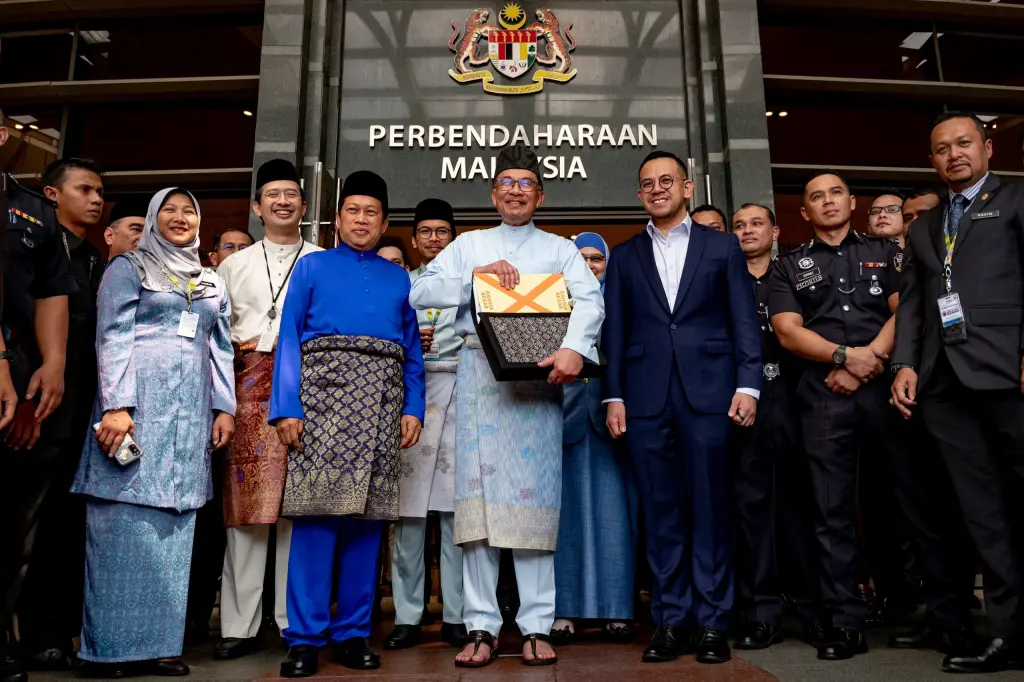
Prime Minister Anwar Ibrahim (center, light blue traditional Malay wear) holds a copy of the Budget 2023 before tabling it in Parliament on February 24. / Photo credit: Prime Minister’s Office
This will be the first major test of his government, which took power in November last year following a general election. In the coming days, the budget will be debated and voted on at the lower and upper houses of Parliament.
Of that sum, 3.6 billion ringgit (US$803.9 million) has been earmarked for tech and startups, together with a few promises of structural reforms.
Here’s a breakdown of the budget, based on excerpts from Anwar’s speech:
- 2 billion ringgit (US$446.6 million) “financing facility” by Bank Negara Malaysia to support tech startups in the sustainability space as well as to help SMEs implement low-carbon practices.
- 1.5 billion ringgit (US$335 million) from government-owned institutional investors such as sovereign wealth fund Khazanah Nasional and pension fund Employees Provident Fund to invest in “innovative and high-growth” local startups.
- 40 million ringgit (US$8.9 million) under the Malaysia Co-investment Fund as a matching amount to support alternative funding methods.
- 136 million ringgit (US$30.4 million) for startups via Malaysia Venture Capital Management (Mavcap), Modal Perdana and Ekuinas.
- 50 million ringgit (US$11.2 million) under Cradle.
One-stop tech shop?
The first major reform that Anwar mentioned in his speech is the restructuring of government agencies involved in the tech and startup space.
He said his government is studying the setup to “effectively coordinate efforts to develop local startup companies, from seed stage to successful listing on Bursa Malaysia.”
The restructuring of government-owned tech agencies was on the table in 2018.
Back then, the exercise involved five tech-related agencies: Malaysia Venture Capital Management (Mavcap), Cradle, Malaysia Debt Ventures, Malaysian Technology Development Corp, and Kumpulan Modal Perdana.
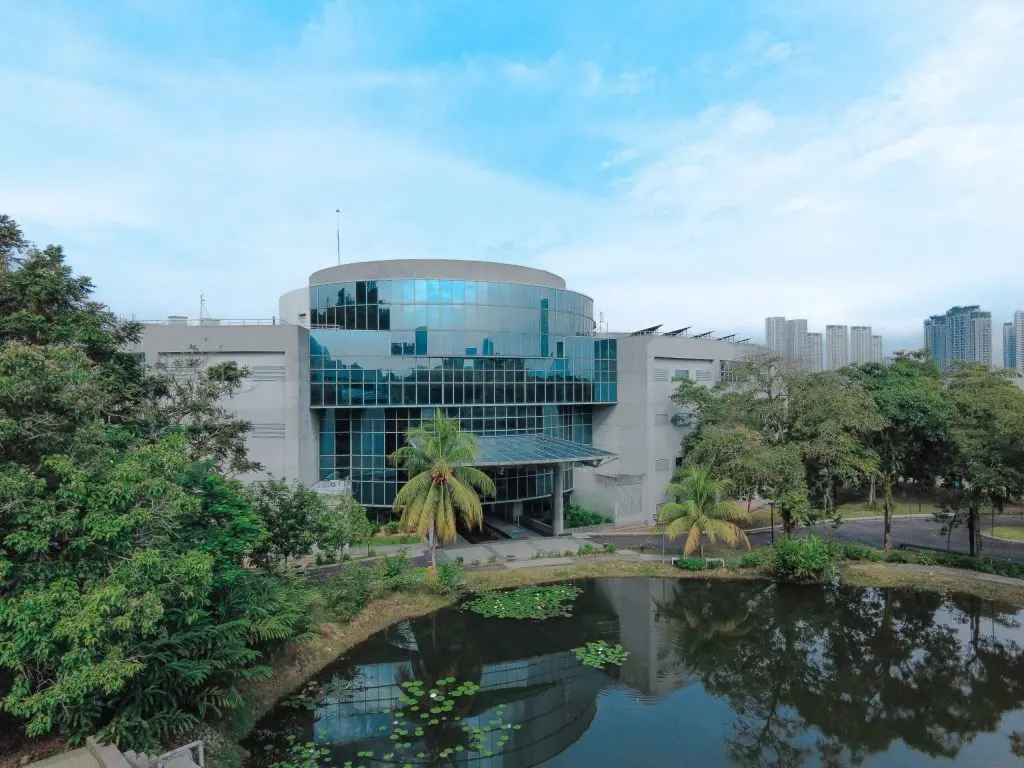
Mranti is, so far, the only successful result of a merger between two government tech agencies. / Pic credit: Mranti
This never took off because of multiple regime changes since then. During this roller-coaster period in Malaysian politics, however, two things happened: the launch of a fund-of-funds called Penjana Kapital, and the merger between tech agencies Technology Park Malaysia and the Malaysian Global Innovation and Creativity Centre, which is known today as the Malaysian Research Accelerator for Technology and Innovation.
Focus on IPOs
That iffy tax bit
Stay ahead in Asia’s tech landscape
This is premium content. Subscribe to read the full story.
A looming capital gains tax on shares in unlisted companies may affect deals.
We know this is not ideal. ⌛ Sign up in 20 seconds. Cancel anytime.
Our subscriber community includes professionals from these companies:





Stay updated on the go with our mobile app.
Get latest insights with smoother, more personalized experience through TIA mobile app.









📅 Upcoming Events
22 October 2026
Payoneer x CSPN Summit 2026