Jonathan Chew · · 6 min read
These startups turned great design into great business

Summary:
- Successful design stems from understanding user needs, and building a great business requires an IP strategy that supports its goals.
- Support from organizations such as DesignSingapore Council is crucial for new ventures, providing vital funding and business connections to help them scale.
- Protecting innovation requires clear strategies for intellectual property and intangible assets, ensuring designs and unique advantages are defensible.
- Unlock these strategies for yourself at the “Navigating IP in the Creative Economy” workshop, organized by IPOS International at Singapore Design Week.
Design is everywhere around us – from road signs, menus, and beyond – but it is also often overlooked.
As renowned graphic designer Joe Sparano once said: “Good design is obvious. Great design is transparent.”
For Orion Dai, co-founder and CEO of medtech firm Omnilabs Research, great design is all about a product’s functionality.

Orion Dai, co-founder and CEO of Omnilabs Research / Photo credit: Omnilabs Research
When he helped develop Omnihuman, a telehealth solution for the rehabilitation of stroke survivors, this was something he kept top of mind.
“Conforming to the whims and wishes of every individual user is likely to result in unnecessary features that don’t add to the product’s value proposition,” Dai says.
Real solutions for real problems
There is, of course, no single way to design a product or solution.
“As design engineers, we have internalized the core principles of design throughout our research and product development process,” says Dai.
He started by listening to his audience and using frameworks such as “Double Diamond”, Empathy mapping, and SCAMPER.
Another company that did this is LottieFiles, an animation software firm, that leveraged user feedback in building its motion design platform.
“For years, teams told us motion design was too slow, too technical, and too hard to scale, so we reimagined features around those bottlenecks,” says Kshitij Minglani, co-founder and CEO of LottieFiles.
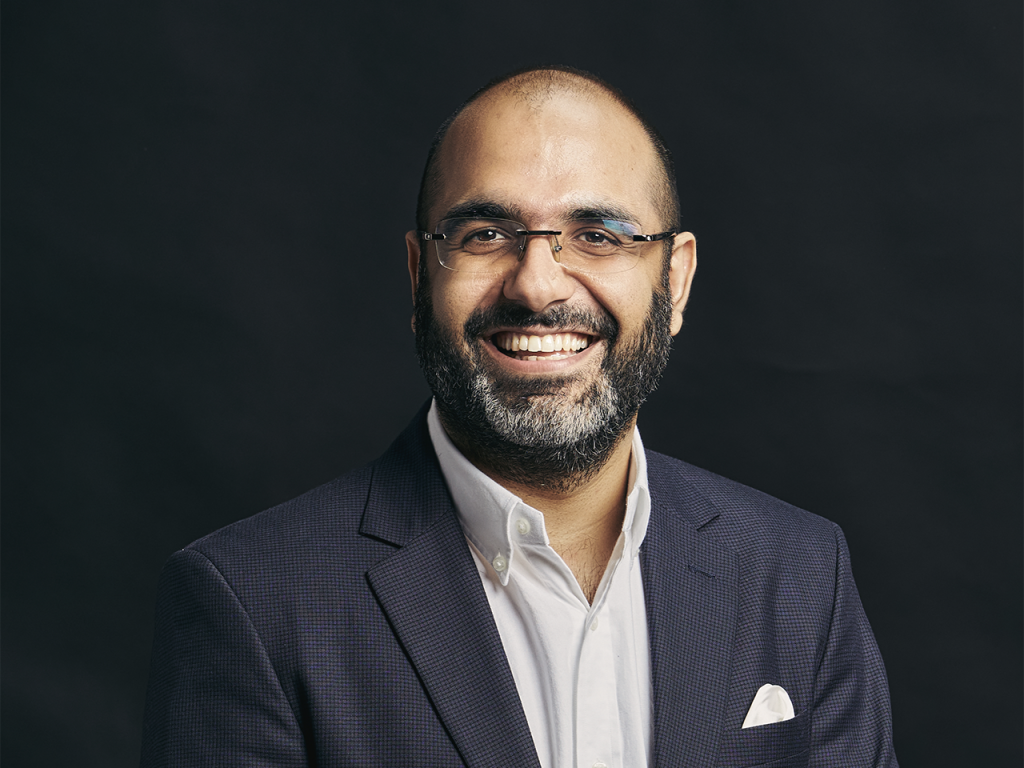
Kshitij Minglani, co-founder and CEO of LottieFiles / Photo credit: LottieFiles
His team developed integrations with various third-party tools to offer motion designers more flexibility.
Still, monetizing great designs is another matter.
For Donn Koh, co-founder of Stuck Design, the creative consultancy behind the AI-powered app Hypersketch, turning great design into revenue means cultivating a “deliberate and healthy discontent for all products and services” within its team.
“That way, we can spot issues most people miss, allowing us to create an improvement advantage early, even before competitors notice those problems,” he adds.
Credibility and connections
For any fledgling business, a lack of resources can be a major stumbling block to bringing an idea to market.
One organization that’s helping firms close this gap is DesignSingapore Council (Dsg), the city-state’s national agency for design.
LEARN HOW TO PROTECT YOUR PRODUCT DESIGNS
How it provides support is through funding, networking opportunities, and mentorship. Stuck, for example, received grants from Dsg.
“The grants were a massive enabler,” says Koh. “They allowed us to take risks to build prototypes and deploy real tests into the market.”

Donn Koh, co-founder of Stuck Design / Photo credit: Stuck Design
On other occasions, Dsg helped companies form key business connections, as was the case when Dai began prototyping his product.
“We developed Omnihuman to be used with the Apple Vision Pro, but those headsets are expensive,” shares Dai. “That hampered our ability to conduct clinical trials.”
Dsg put Dai in touch with Apple’s relationship and partnership team, which allowed them to collaborate and share technical expertise with each other.
Protecting the competitive advantage
Creating designs is just one aspect of building a revenue-generating product – companies also need to protect those designs through effective intellectual property (IP) management or they could easily lose that revenue to competitors and copycats.
As such, IPOS International, a subsidiary of the Intellectual Property Office of Singapore (IPOS), is working more closely with Dsg to improve firms’ awareness and ability to incorporate IP with their product designs.
One way it’s doing that is through an upcoming IP workshop during Singapore Design Week 2025, to help designers and firms – just like Dai, LottieFiles, and Stuck – understand why IP is so important in design works and how to protect them properly.
Sign up for the workshop to get a headstart on protecting your product designs
In Dai’s case, he and the design team he works with have consulted with IPOS International to learn more about Singapore’s IP regime and different rights.
“We’ve taken steps to exclude documents of our core inventions from publicly available platforms,” explains Dai. “We’re also asking partners and collaborators to sign non-disclosure agreements before sharing any sensitive technical information.”
He shares that IPOS International’s advice has been helpful to ensure his IP remains protected even if the products are manufactured in different regions or countries.
As for LottieFiles, the company is focusing more on building a moat of intangible assets (IAs), says Minglani, pointing to the company’s web of partnerships and community links. Further, it filed several trademark applications to protect its brand.
“Our moat comes from the ecosystem we’ve built. These assets not only build up our brand but also create network effects, defensibility, and long-term relevance for users,” Minglani says.
At Hypersketch, the company uses trade secrets to protect the core of its solution, according to Koh.
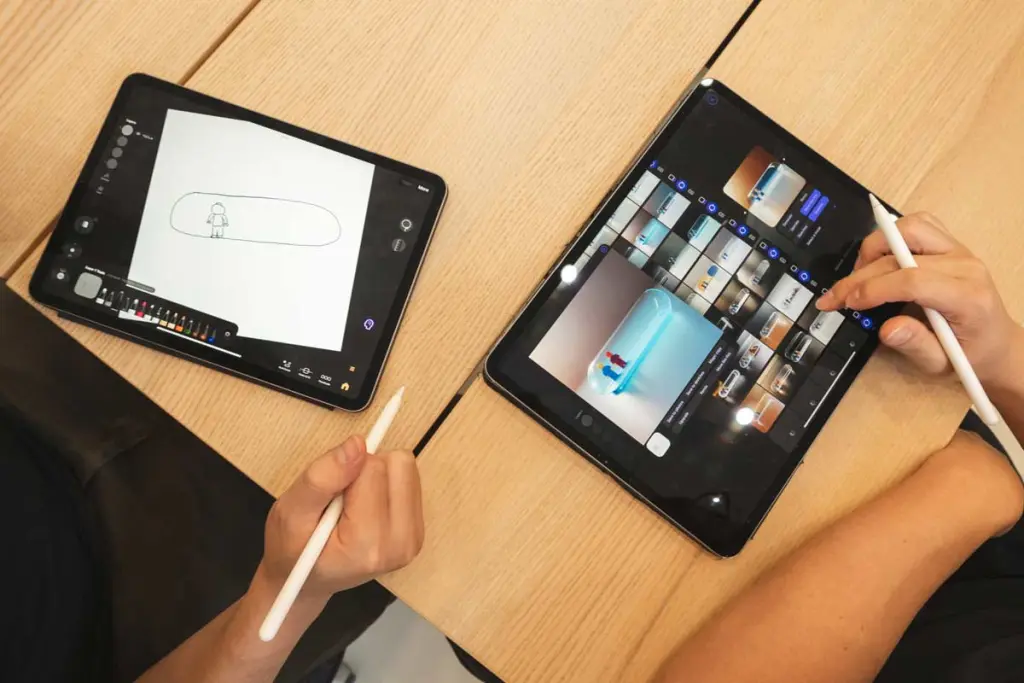
Photo by Chronicler Photography, courtesy of DesignSingapore Council
This was overlaid with a business strategy focused around getting users to like and stick with the app, so that it naturally encouraged them to continue with Hypersketch over similar competitors’ products.
“With this approach, we’ve found some new freedom to actively proliferate the use of our app, without being worried about being copied,” Koh says.
Finding what works and following through
Designing a commercial product is always going to be tricky and involve many moving parts. Founders need to listen to the right stakeholders and solve pain points accurately.
But one critical thing is to make sure their solutions are defensible – whether through appropriate IP filings or deploying business strategies to protect competitive advantages – so that all this effort doesn’t go to waste
Through it all, Dai believes that it’s important to “trust the process,” even if the end result might not be clear yet.
“Speak to as many stakeholders as you can. You never know who might have some useful insight or feedback which may help you in your design process,” he says.
Koh also has some advice for founders, given his experience with IP-related dealings: Understand what battles are worth fighting for against infringing parties and, more importantly, ensure you have the right protections for it.
“Be more diligent with filing IP and keeping it renewed,” he says.
IPOS International empowers designers to unlock real value from their ideas and bring real solutions to users’ actual needs. It is a wholly owned subsidiary of the Intellectual Property Office of Singapore (IPOS).
Sign up for IPOS International’s workshop on “Navigating IP in the Creative Economy” at Singapore Design Week to learn all you need about protecting your products.
This content was produced by Tech in Asia Studios, which connects brands with Asia’s tech community. Learn more about partnering with Tech in Asia Studios.
Stay updated on the go with our mobile app.
Get latest insights with smoother, more personalized experience through TIA mobile app.
Recommended reads
 Indonesian AI startup goes global
 Forrest Li on scaling Sea, building smarter bots, and founder grit
 An AI assistant that joins sales calls and scores team skills
 SGX’s CEO says it doesn’t need a unicorn to win
 SMEs want AI too, but not the kind Big Tech is selling
 Oatside’s alt-milk rise hits a profitable gear
 Alibaba’s financial health in 12 charts
 Asia’s telcos bundle AI into mobile plans. Will it pay off?
 M-Daq chases bigger clients as revenue falls, losses grow
 VC tracker: Accel raises US$3.5b, including US$550m for India





Editing by Jonathan Chew, Stefanie Yeo, and Jaclyn Tiu
(And yes, we’re serious about ethics and transparency. More information here.)