- Insights This article was written by a TIA community member. Insights pieces undergo the same rigorous editorial process that newsroom-produced articles have.
 oscar tan · · 10 min read
Why Steam’s ban on NFT games is problematic
The fondest childhood memory of one of my colleagues is finally managing to evolve Charizard on Pokemon Red. Her saddest childhood memory came shortly after: Her cousin borrowed her Game Boy and somehow lost it.
She never saw that hard-won Charizard again.
Imagine if blockchain and NFT (non-fungible token) technology existed in 1998.
Imagine a child being able to laugh at their parent’s 90s versions of Pikachu, Charizard, and Blastoise in all their pixelated glory, stored in a simple blockchain wallet app, alongside more recent releases like Pokemon Go.
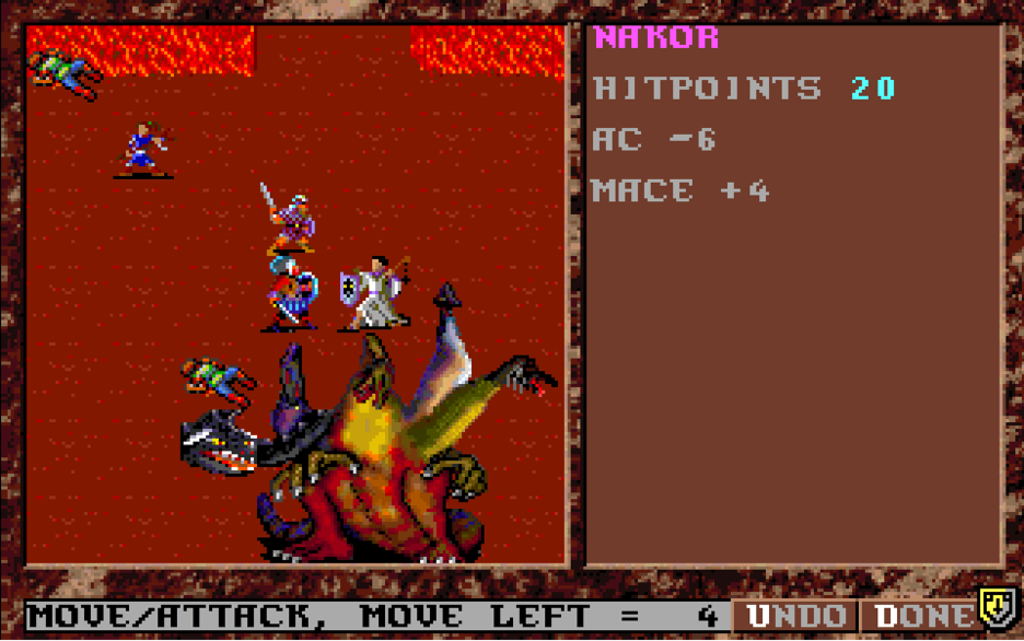
Imagine being able to revisit your final party from Dark Queen of Krynn from 1992, reliving all the fond memories of staying up to reroll 18s on digital dice, while creating Dungeons and Dragons characters and figuring out how to keep a +5 long sword.
Imagine still having characters and items from Diablo II from the year 2000, ready to plug into Diablo II: Resurrected in 2021.
Being a 90s gamer was rough.
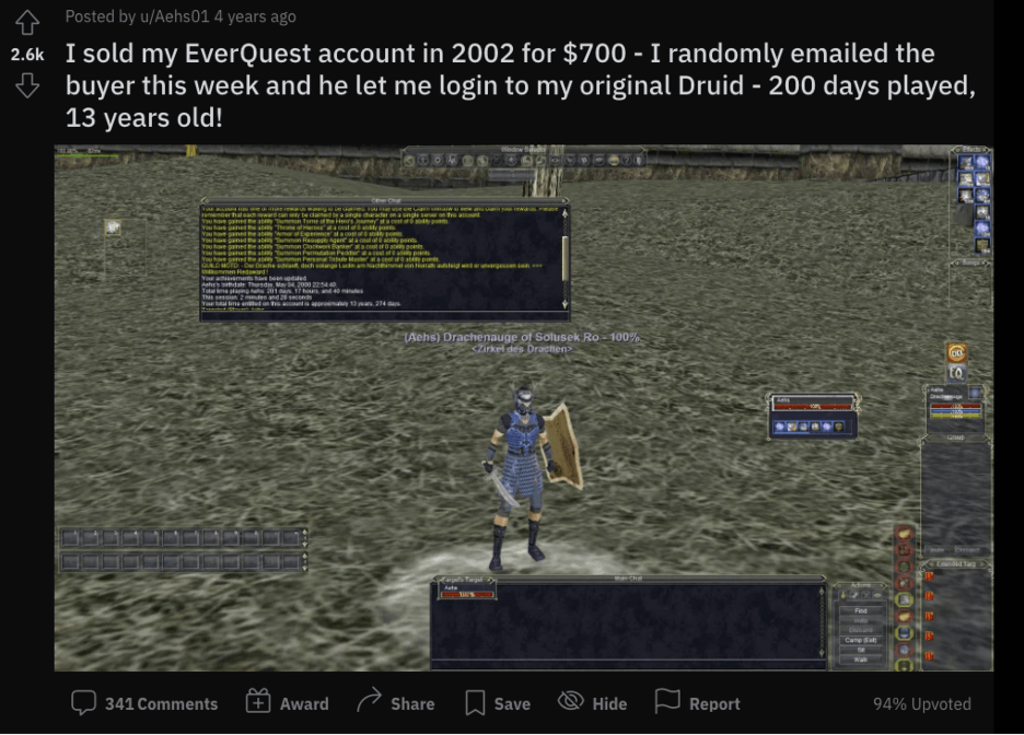
Without YouTube, Twitch, and cloud storage, your beloved digital characters simply disappeared after you stopped playing, lying forgotten in storage media that no longer exist today.
Who wouldn’t want to keep a Pokemon Red Charizard, a Dragonlance Solamnic Knight, a Diablo II Barbarian, a League of Legends Lux, or a Valorant Cypher forever?
No one could possibly argue that it would be a bad thing.
In fact, we at Enjin find this vision so compelling that we’ve spent the last four years doing our best to make it a reality. This simple vision is the entire reason our team exists.
Age of Rust banned from Steam
Good games are not scams
Regulation shouldn’t hamstring indie developers
Conclusion





Stay updated on the go with our mobile app.
Get latest insights with smoother, more personalized experience through TIA mobile app.