Steven Millward · · 3 min read
Turing Award winner in bid to bust Bitcoin’s biggest barrier
If you ask people who are relentless Bitcoin cheerleaders about what they think is the cryptocurrency’s Achilles heel, they might proffer – hesitatingly, reluctantly – that the whole thing is stymied by only being able to handle, like, seven transactions per second.
A bunch of crypto and blockchain boffins today revealed they’ve secured US$35 million in series A funding from big-name investors to solve that issue.
With the Conflux Foundation, the crew will next year roll out a system that will enable a blockchain to process 6,000 transactions per second – more than the approximate 4,000 that Visa handles each second at peak shopping times.

Photo credit: Thought Catalog / Unsplash
But just because this involves the term “transactions,” it doesn’t mean that the new system is all about turning Bitcoin into a proper currency that people actually spend.
“I think it will have a greater impact on the applications of smart contracts – or how people will use smart contracts,” says Conflux co-founder Fan Long. Referring to agreements that are processed on a blockchain, smart contracts are used “mostly for ICOs, plus gambling games,” he says, adding that “95 percent are in these two categories.”
So once Conflux rolls out to blockchain developers, Fan explains, it will be able to handle more data, allowing smart contracts to cover a lot more areas. He imagines that people might start using the blockchain for things like smart derivatives trading. Transaction fees will also drop because the network isn’t clogged up.
Turing test
Another Conflux co-founder is its chief scientist, the academic and renowned computer scientist Andrew Yao.
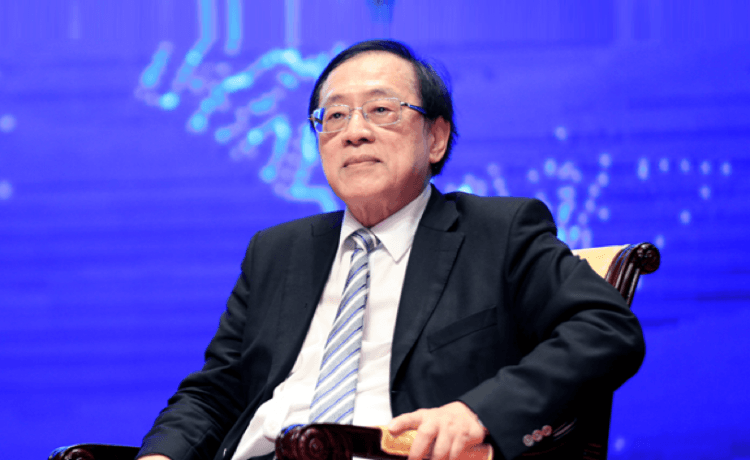
Andrew Yao / Photo credit: Conflux
Yao received the Turing Award, the most prestigious award in computer science, in 2000 for “fundamental contributions to the theory of computation.”
The startup sees Fan reuniting with Yao a decade after the young undergraduate got a hard-won slot in Yao’s computer science class at Tsinghua University.
“Andrew has been very helpful to this project,” Fan tells Tech in Asia. ” He’s very important for attracting talent, like Yao class alumni […]. And right now, he’s very interested in blockchain research – he can help the theoretical part of Conflux […]. And for me, my expertise very much complements that because I’m more focused on the systems part, like how to design and develop the system in a practical way.”
IC-Oh?
Conflux’s system will begin testing early next year, with a full launch pegged for sometime over the summer.





Stay updated on the go with our mobile app.
Get latest insights with smoother, more personalized experience through TIA mobile app.