People know Tencent for its enormous gaming and social empire, but what you may not know is it also has a line of hardware.
You probably don’t know about it because nobody’s buying Tencent’s hardware.
Tencent’s digital photo frame, its first homemade hardware, was long awaited when it launched in 2015. Built for displaying pictures and making video calls, it allows users to receive photos sent from multiple WeChat accounts and react and send back comments on the pictures displayed on the screen.
Of the few who used it, some said it’s great for keeping in touch with the elderly in their homes. But others pointed out that it has a very limited user experience. It doesn’t do much albeit costing between 699 yuan (US$101) and 1,699 yuan (US$246). Unlike a tablet, it needs to be plugged to a power outlet all the time and doesn’t have much storage. It doesn’t also let users export photos.
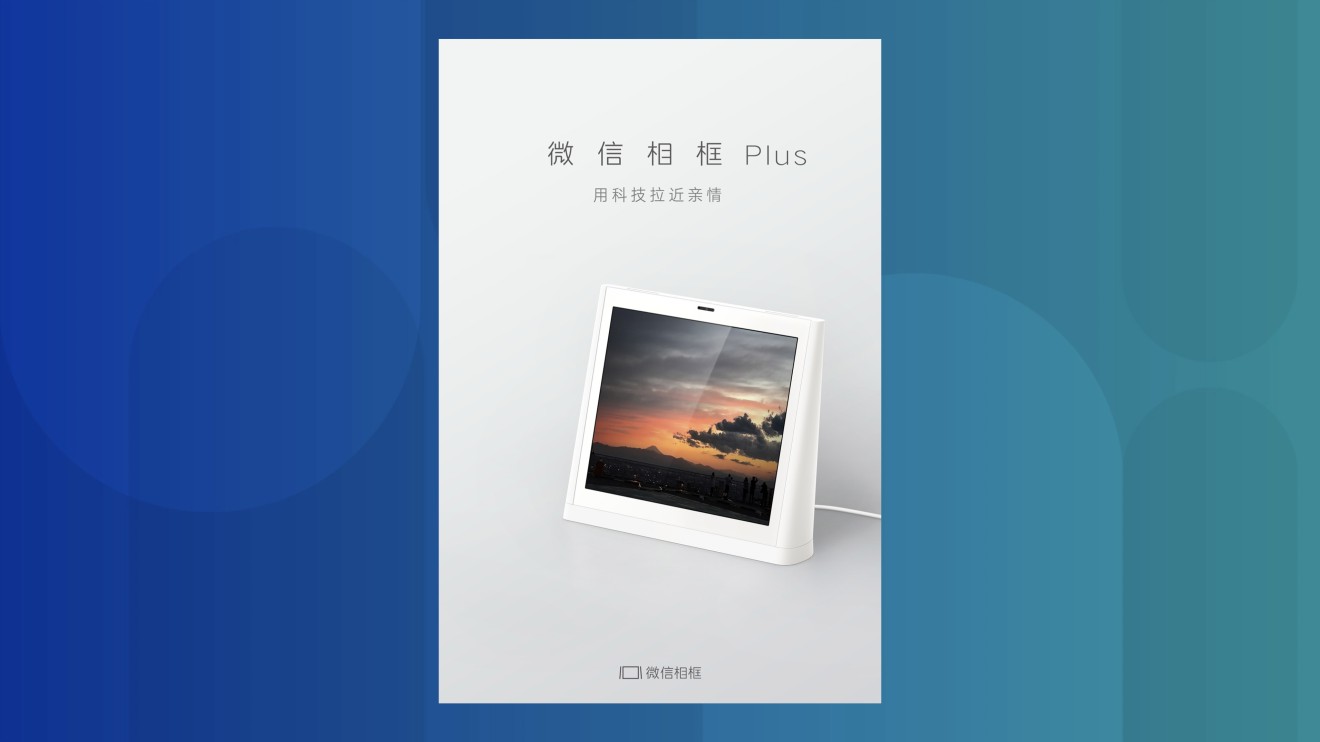
Many people say they’d rather buy a tablet for over US$200. / Photo credit: Tencent
The funny thing is that Tencent’s latest stab at hardware bears a pretty decent resemblance to that frame. Smart displays are hot, with Google, Amazon, and Facebook all evolving to smart speakers this year.
Tencent’s answer is the Dingdang smart display, which has an eight-inch screen and provides access to the company’s content, including Tencent Video and QQ. It costs 699 yuan (US$101), same as Baidu’s smart display Xiaodu Zaijia.
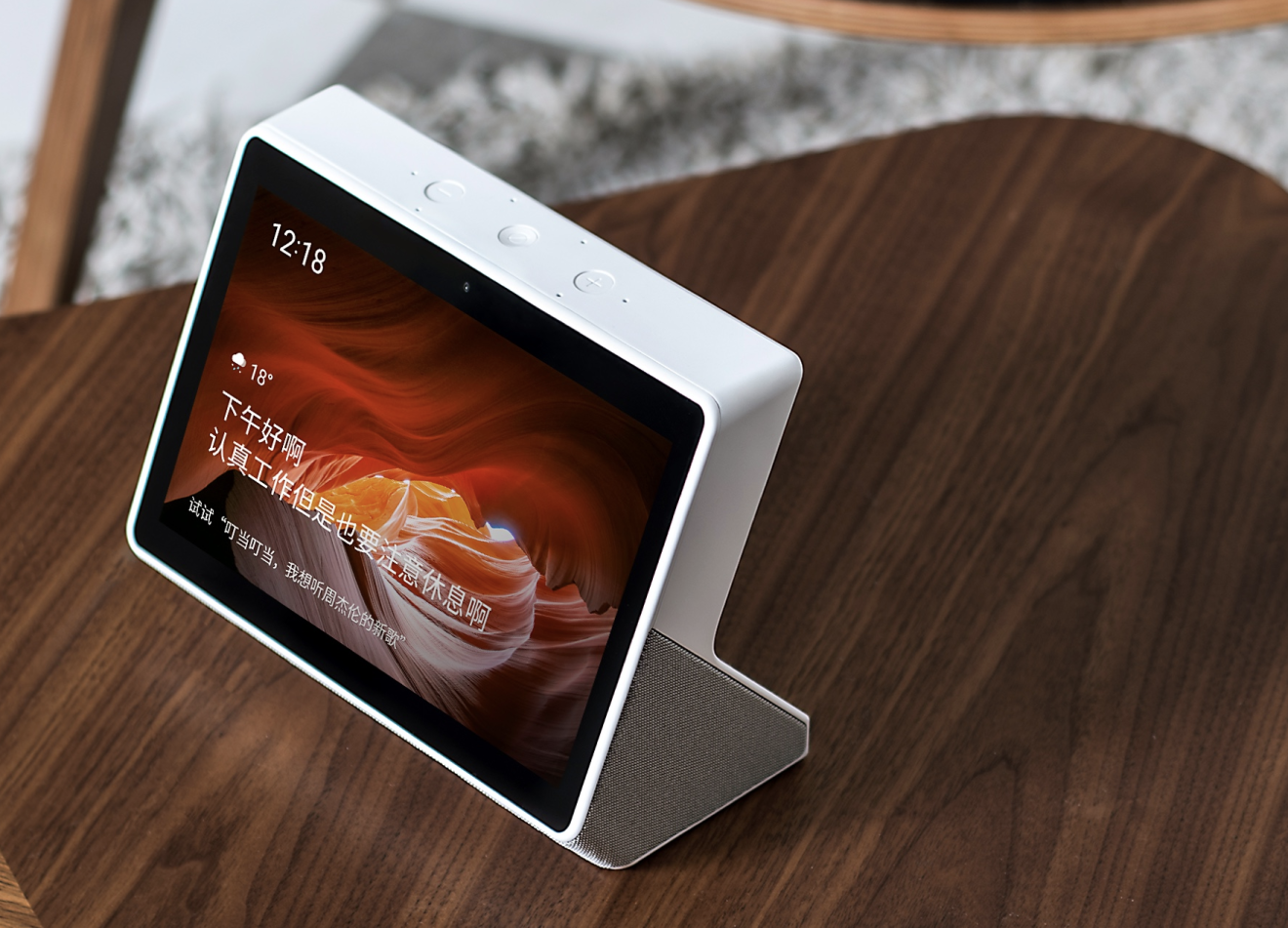
The Dingdang smart display measures eight inches. / Photo credit: Tencent
But those sort of features are pretty standard among smart displays, which have yet to prove themselves as a new category of devices. Dingdang comes after Tencent’s smart speaker flopped. Launched in April, the Tingting speaker boasts the ability to let users operate WeChat with voice command, which some users said is not very useful because it is essentially similar to leaving a voicemail.
It also doesn’t appear to have sold very well based on reactions on ecommerce sites. It only received around 18,000 reviews, which may be due to its US$101 price. That might not seem too expensive, but Baidu’s new US$11 speaker received more than 260,000 reviews.





Stay updated on the go with our mobile app.
Get latest insights with smoother, more personalized experience through TIA mobile app.