Grace Chng · · 5 min read
Why Google’s Jolly Good Fellow, a Buddhist, started an accelerator with the Vatican
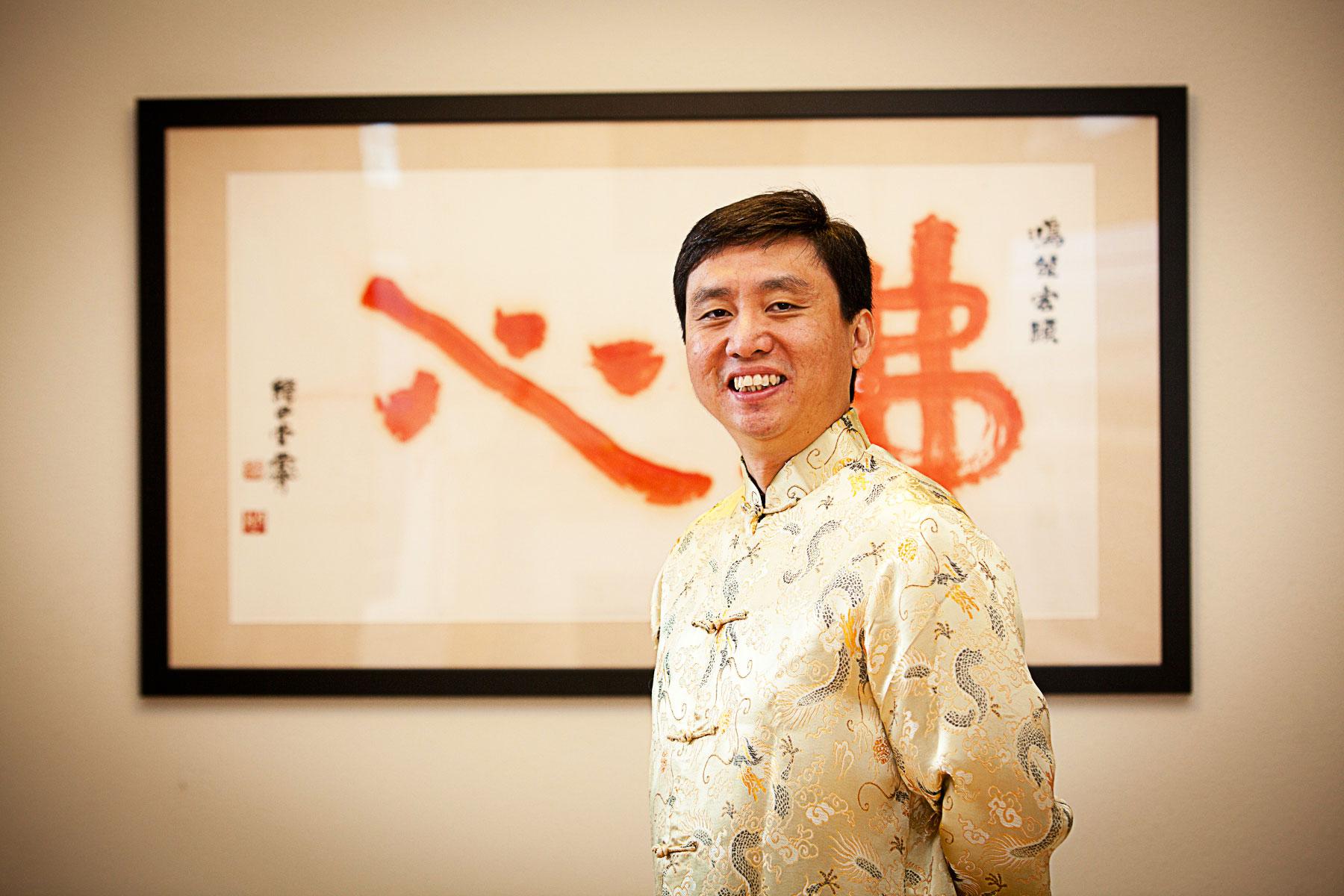
Image credit: Tan Chade Meng.
Tan Chade Meng, 46, retired from Google last year after working there for 15 years. He then set out to meditate for at least three hours a day and, in his words, “create the conditions for world peace.”
A year later, he isn’t much closer to achieving his meditation goal. But he’s tending ever more passionately to his other, more lofty, aim.
Back in Singapore from California for a month’s holiday, Tan, who was the first Singaporean hired by Google, says he’s managing to meditate for only about an hour a day. He spends the rest of his time exploring and investing in world-changing projects. One such endeavor is a Vatican tech accelerator.
“Isn’t it cool for the Vatican to start a tech accelerator? It’s really serious about social impact investing, leveraging on entrepreneurs to solve climate change problems,” he said. He is one of its seven founders.
Tackling climate change
Collectively, they have raised about US$2 million for the Rome-based accelerator, called the Laudato Si’ Challenge 2017, which is set up to tackle climate change-related issues such as poverty, food, clean water, and conservation.
Accelerators and incubators are popping up everywhere. While a few do uncover good technologies and business ideas, many organizations pay lip service to the call for innovation. The Laudato Si’ Challenge may do better with Pope Francis pushing the climate change agenda.
It is unique as an initiative because religious institutions seldom involve themselves with tech accelerators or incubators. There is also a unique payoff: startups not only chase profitability and growth – they will contribute to a better world.
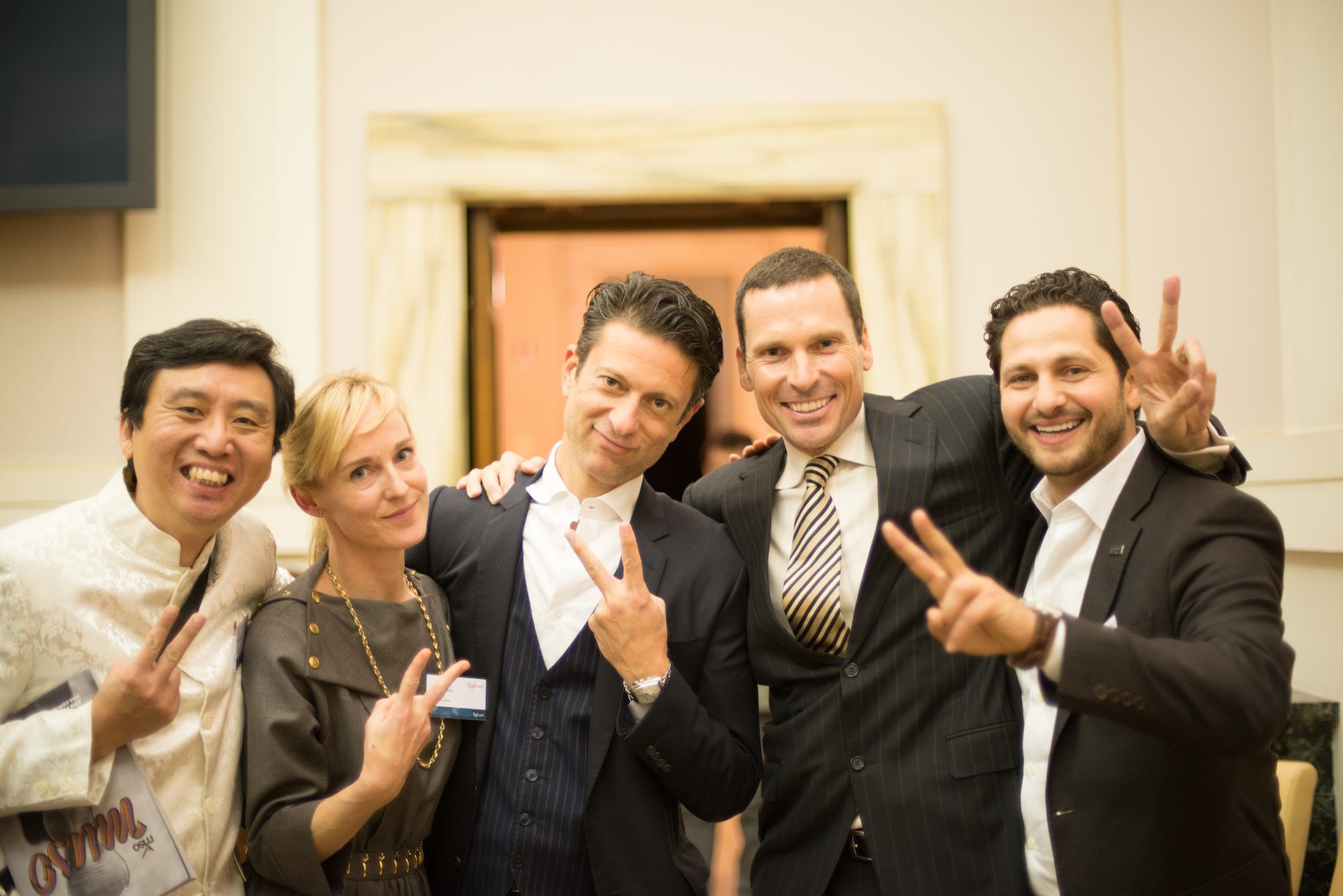
Founding partners of the Laudato Si’ Challenge: (From left) Tan Chade Meng, Caitlin Sparks, Ibrahim Al Husseini, Eric Harr, Ahmad Ashkar. Image credit: Tan Chade Meng
Laudato Si’, or “praise be to you,” is the title of Pope Francis’ second encyclical, which is a letter the Pope sends to all bishops of the Roman Catholic Church. Subtitled “On Care of Our Common Home,” it calls for international action to save the planet.
The accelerator has awarded US$100,000 apiece to nine teams from Europe, Africa, China, and the US. Each startup also receives virtual mentoring from investors and entrepreneurs. In December, they “graduate” in a pitching session that will be attended by an international audience of investors who may select startups for follow-on funding.
Though Tan has invested in private equity funds before, this is his first investment in an accelerator.
In an exclusive interview with Tech in Asia, he explains why the accelerator is important: “To solve big problems, we have to rely on market forces, not on charity.”
“Surreal and cool”
Making movies





Stay updated on the go with our mobile app.
Get latest insights with smoother, more personalized experience through TIA mobile app.