- Premium Content It takes our newsroom weeks - if not months - to investigate and produce stories for our premium content. You can’t find them anywhere else.
 Samreen Ahmad · · 3 min read
RedDoorz eyes net profit in 2026 ahead of IPO
Rising living costs and geopolitical tensions aren’t changing Asian travelers’ drive to explore new destinations. With many people swapping international travel for domestic trips, in fact, Singapore-based hospitality firm RedDoorz is poised to grow faster.
Its revenue – adjusted for foreign exchange impact – rose 18% year on year in 2025, with Indonesia growing 24% in local currency terms, founder and CEO Amit Saberwal tells Tech in Asia.
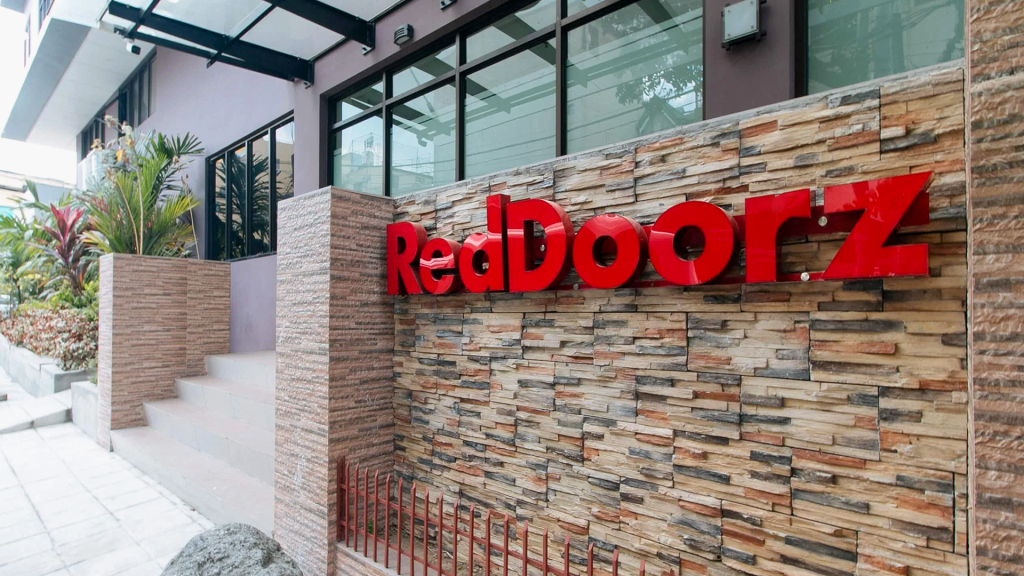
Photo credit: RedDoorz
“We achieved this expansion despite significant macroeconomic headwinds, including trade tariffs, national elections, and softer consumer spending,” he says.
A major driver of this was the expansion of RedDoorz’s “company-operated” segment, which refers to hotels the company leases and operates directly under its own brands, all in Indonesia.
RedDoorz expects to end 2026 with a net profit, subject to macroeconomic conditions during the holiday season, and is targeting S$48 million (US$37.5 million) to S$50 million (US$39.1 million) in revenue for the year.
Occupancy rates year to date are up 3% to 4% from the previous year. Revenue is also growing by over 25% to 30% year on year in local currency terms, thanks to a “strong resurgence in demand,” Saberwal says.
Indonesia powers growth
Founded in 2015, RedDoorz offers hotel booking and management software to independent hotel owners. It also operates over 4,300 properties in over 250 cities under seven brands, ranging from budget and upscale accommodations to resorts.
Its higher-end brands, Urbanview and Sans, are growing “exceptionally fast,” Saberwal shares.
In 2025, RedDoorz’s revenue grew nearly 13% to US$32.2 million, per its latest audited financial statement. The company’s net losses fell 80% from 2024.
Indonesia remains RedDoorz’s core market, accounting for 85% of the firm’s global business.
RedDoorz mainly makes money in two ways: commissions it earns on bookings made at franchised partner hotels (service of booking commissions) and income from company-operated properties (service of hotel accommodations).
Its franchise model generates most revenue and is expected to keep driving 70% to 80% of future growth, according to Saberwal.
He attributes the growth in Indonesia to strong household consumption and mobile internet penetration, holiday spending spikes, and a surge in domestic tourism.
A different cost structure
IPO on track
Stay ahead in Asia’s tech landscape
This is premium content. Subscribe to read the full story.
Stronger domestic travel in Indonesia and growth in company-operated hotels helped RedDoorz offset weaker consumer spending.
We know this is not ideal. ⌛ Sign up in 20 seconds. Cancel anytime.
Our subscriber community includes professionals from these companies:





Stay updated on the go with our mobile app.
Get latest insights with smoother, more personalized experience through TIA mobile app.












📅 Upcoming Events
22 October 2026
Payoneer x CSPN Summit 2026