 Iris Deng · · 4 min read
How this Hong Kong startup is shaking up the sleepy logistics sector Expedia style
When a factory in China wants to ship a container of goods to a client overseas (in Europe, for example), step one typically involves ringing around a few logistics firms to get a quotation.
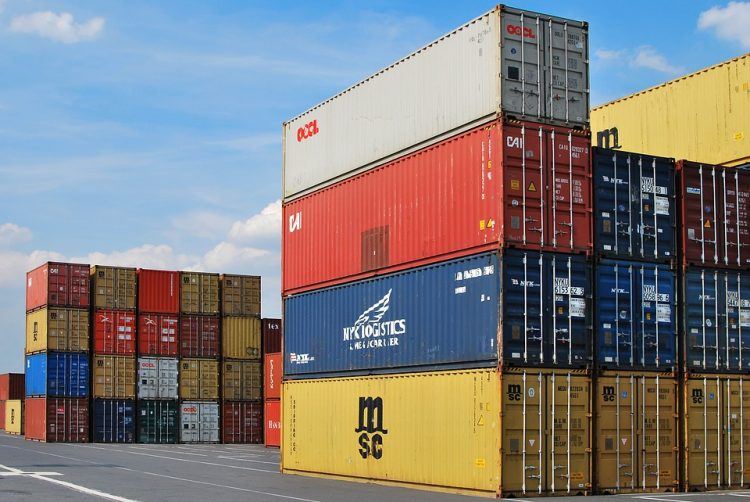
Photo credit: Max Pixel
The person taking the call is usually a harassed clerk, sitting in a cube in the office of a freight forwarder located near one of southern China’s bustling airports.
The clerk will jot down the details and then dig through mounds of paperwork stored in giant, floor-to-ceiling filing cabinets. It can take days of phone calls and emails across time zones until a shipment can be confirmed.
Logistics in this part of the world is in many ways the “Land That Time Forgot,” according to Hong Kong entrepreneur Ivy Tse, who saw an opportunity to bring the industry into the internet and cloud computing age.
“There’s a big gap between customer expectations today and the traditional way of serving them, which involves a slow flow of information and lack of transparency,” said Tse, director of FreightAmigo, in an interview last week in Hong Kong.
Partnering with logistics veteran Jimmy Chow, with 40 years of management experience in the multinational logistics industry, and finance expert Tyrell Siow, the trio founded an Expedia-like one-stop freight-booking platform called FreightAmigo in Hong Kong last year.
Customers can use an app or website to get real-time quotes and compare prices for air and ocean freight with different carriers. Once they find an option they like, they can then book and pay online.
The platform also offers insurance and a cargo-tracking service. Today, it generates over 40,000 quotes per quarter, which would have taken a manual clerk around three to four years to prepare, said Tse.
This online process may sound familiar to travelers who book their tickets on platforms such as Expedia, but it is relatively new to the logistics sector, which is in the early stages of bringing its traditional operations online.
For example, for every 80 travel-related searches in 2017 globally, there was only one logistics-related query, according to research by McKinsey & Co. last year.
FreightAmigo is not the first company to try and fill this gap. San Francisco-based Flexport was one of the earliest movers when it launched in 2013, and this year it raised US$1 billion, led by Masayoshi Son’s SoftBank Vision Fund and other existing investors, including Peter Thiel’s Founders Fund and Chinese logistics giant SF Express.
Meanwhile, Chinese startup Manbang Group, which matches truckers and shippers, is valued at US$9 billion, according to Chinese media, counting SoftBank Group, Alphabet’s CapitalG, and state-backed China Reform Fund among its investors.
FreightAmigo hopes to compete with its bigger rivals by leveraging Hong Kong’s position as a regional logistics hub that connects different parts of the world, while its competitors may have bigger advantages in their domestic markets, Tse said.





Stay updated on the go with our mobile app.
Get latest insights with smoother, more personalized experience through TIA mobile app.












📅 Upcoming Events
22 October 2026
Payoneer x CSPN Summit 2026