 John Amari · · 3 min read
Japan is embracing the cloud. It will embrace cashless payments, too
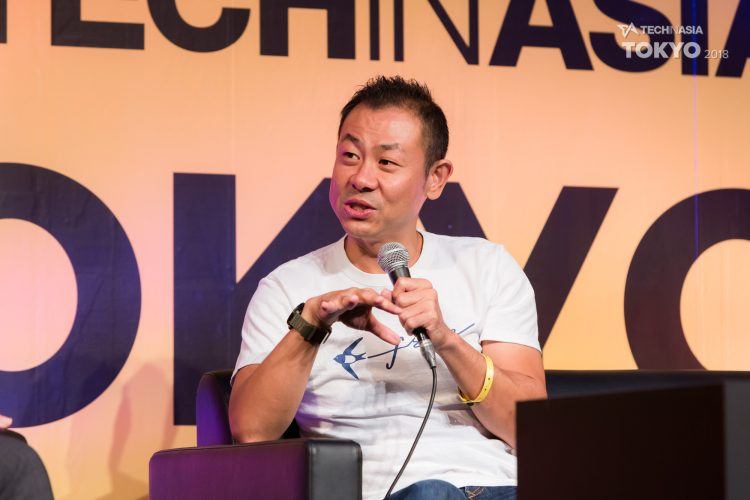
Freee co-founder and CEO Daisuke Sasaki / Photo credit: Tech in Asia / Michael Holmes
Small and medium-sized enterprises (SMEs) in Japan are making a slow but steady transition from on-premises and manual back-office operations to automated, cloud-based platforms.
Daisuke Sasaki, CEO of Freee, shared that assessment during a Tech in Asia Tokyo 2018 panel discussion with Takahashi Hara, chief editor of Nikkei FinTech.
Workplace automation and outsourcing back-office operations to the cloud have become a trend among developed nations, including Japan – a country with a reputation for rigid, labor-intensive bureaucracy.
Freee, which provides enterprise software-as-a-service, raised 6.5 billion yen (US$57.1 million) in August. It raised 16 billion yen (US$142 million) in an earlier funding round and has a million customers.
Sasaki claimed that Freee is the only company in its space that offers open-source accounting APIs.
“I think that has been a good idea,” he said. “If you think about sole traders and small-business owners, [and other] players who create a lot of tools and applications […] we want to expand that base so that we have a world in which legacy applications are linked to Freee.”
The startup’s platform covers more than just accounting and personnel relations management, which it is most known for. In partnership with Salesforce, Freee helps sales teams to streamline their processes.
“If you’re working in the field as a sales representative, you don’t know if the money or payment has happened,” said Sasaki. “But if you link our platform to Salesforce.com, you can check the entire process up to the point of payment,” he added.
He’s also laying plans to incorporate human resources management and manager-level actions into Freee’s offering. Enterprises can keep a closer eye on their financial health using Freee and its data analysis tools, which would send them an alert – and even financial advice or support – if their company is edging towards the red.
In addition to the move to the cloud, Hara wanted to know if there are other trends in workplace optimization among SMEs.
One that Sasaki has noticed is a shift towards mobile-based working styles, where workers such as salespeople, who are often on the road, finalize their operations on smartphones.
“There are a lot of users who are using accounting platforms on smartphones only; they no longer use PCs,” he said.
Surprisingly, it’s not just the younger generations that are doing this. In fact, “there are elderly people who are using such smartphone apps,” he added.





Stay updated on the go with our mobile app.
Get latest insights with smoother, more personalized experience through TIA mobile app.








📅 Upcoming Events
22 October 2026
Payoneer x CSPN Summit 2026