- Insights This article was written by a TIA community member. Insights pieces undergo the same rigorous editorial process that newsroom-produced articles have.
 Georg Chmiel · · 5 min read
The 4 most important economies in the world for startups
I believe the countries that provide the best growth environment for startups today are in Southeast Asia.
Usually, the US, China, and India get all the attention, but for startups, Southeast Asia is where the real action is. Indonesia, Thailand, Vietnam, and Malaysia have just the right mix of economic growth, population size, investment, and entrepreneurial ferment to make them the critical countries in the world for these companies.
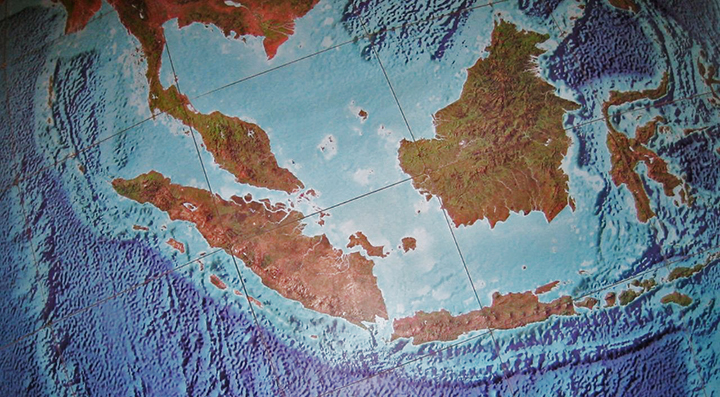
These markets are among the fastest growing in the world, and together, they have an average gross domestic product growth rate of 5.3%. Vietnam has the fastest growth, with 7.1% in 2018.
These countries have large populations where the young make up a significant share. Combined, they have a total population of more than 460 million, with tech-oriented under-25s accounting for two out of every five citizens.
This is partly why the internet economies in these four countries are rapidly growing. Research by Google, Temasek, and Bain & Company puts internet economy growth in Indonesia as high as 49% per year since 2015. Even Malaysia, which is at the lower end of the regional spectrum with 20% annual growth rates, is a standout compared to most other countries in the world.
One for all
Business models that work well in Indonesia, Thailand, Vietnam, or Malaysia will often be transferrable to other countries inthe region. That’s not to say that you can afford to underestimate local conditions. Indonesian unicorn Gojek is expanding via local “founder teams” and brand names in other countries, for instance.
But in all four economies, startups are helping solve problems that are common to their populations. That might mean bringing financial services to the previously unbanked or helping farmers get better prices for their goods. It could also mean serving the large fast-growing middle-class market with entertainment, delivery, travel, and other services.
“If you are growing in any one of these countries, you can use the same marketing channels to expand into the others,” Duco van Breemen, general manager of Sydney-based startup hub Haymarket HQ, told me. With his experience in the field, he has advised hundreds of founders.
If your business is located in one of these countries, you could also get a helping hand worth at least US$50,000 a year for an early-stage startup, said van Breemen. Local governments are aggressively courting startups with visas, grants, free co-working spaces, and networking programs.
The Malaysia Digital Hub, for example, offers free or easy visas, company registration, banking, housing, and connections to mentors and entrepreneurs. They make it extremely easy for foreign founders to grow their businesses in Malaysia as well.
Similar programs are on offer in the other countries. In Thailand, for example, the Board of Investment promotes investment with a range of support and services. Indonesia hopes its programs, which include workshops, hackathons, bootcamps, and incubation programs, will help startups succeed in its vast market.
Malaysia
Malaysia’s capital, Kuala Lumpur, has the country’s best startup climate. The successes that have been born there include ride-sharing giant Grab, wedding portal Wedding.com.my, deal site Sale Duck, and fintech firm iMoney.
One of Malaysia’s biggest advantages is that English is the country’s second-most spoken language. Most locals speak it fluently.
Thailand
Vietnam
Indonesia





Stay updated on the go with our mobile app.
Get latest insights with smoother, more personalized experience through TIA mobile app.