- Premium Content It takes our newsroom weeks - if not months - to investigate and produce stories for our premium content. You can’t find them anywhere else.
 Shadine Taufik · · 5 min read
Fore Coffee brews its way to profitability
After closing most of its stores in Indonesia, halting expansion plans in the country, and ending its 2020 financial year with an over 26x growth in its operating loss due to the Covid-19 pandemic, Fore Coffee has bounced back.
The company tells Tech in Asia that it turned a net profit in the third quarter of last year and has now experienced a 20% rise in revenue since 2021. Additionally, the company says its EBITDA margin has grown to double digits since the first quarter of last year. However, the company didn’t disclose its financial details.
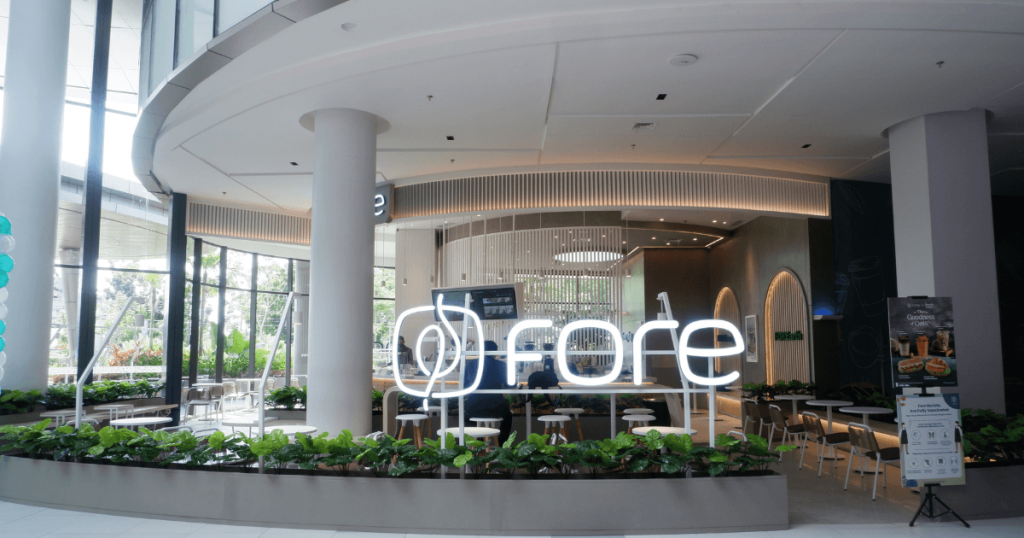
Photo credit: Fore Coffee
The pandemic has taken a toll on most industries – 92% of the food, beverage, and accommodation businesses in Indonesia reported losses amid this period.
However, several coffee startups have managed to thrive, likely because the drink is ingrained in Indonesia’s culture and has a large market and low barriers to entry.
Moreover, the industry is innovative and fiercely competitive. In 2020, for instance, newcomer Jago Coffee, with its mobile outlet strategy, grew 350%, and tech-enabled Flash Coffee opened its first stores in the country.
Launching over 100 locations in its first year in 2018, Fore Coffee seemed poised for rapid growth. In 2019, it planned to open 1,000 locations in Indonesia. However, the pandemic forced the company to shut its shops in several locations.
For context, competitor Kopi Kenangan opened its 500th store in July 2021, launching 200 in total in 2020. The company managed to rapidly grow its customer base, with a 500% increase in new app users from November 2019 to 2020.
Rebuilding from the bean up
In September 2020, Fore Coffee appointed Vico Lomar to take the reins after previous CEO Elisa Suteja transitioned onto the board of directors. Having had over 20 years of experience in the food and beverage (F&B) industry – including managing Maxx Coffee and Dunkin’ Brands – the seasoned professional led the company out of its rut.
Only 66 of the 133 locations remained when Lomar joined the firm, most of which were located in first-tier cities. Now, 50% of its stores are in Tier 2 and Tier 3 cities, stretching across 20 towns. As of May 2022, Fore Coffee was back up to a total of 107 stores.
After halting its aggressive expansion, the company prioritized conducting more consumer research before launching new product lines and stores and adapted its offerings based on the data, says Lomar.
“We saw the opportunity for growth in the second- and third-tier cities in Indonesia. So nowadays, those are the bread and butter of Fore Coffee,” he adds.

Fore Coffee’s new CEO, Vico Lomar / Photo credit: Fore Coffee
Stay ahead in Asia’s tech landscape
This is premium content. Subscribe to read the full story.
After announcing expansion plans and then being forced to scale down in 2020, the Indonesian coffee chain has recalibrated to focus on Tier 2, 3 cities.
We know this is not ideal. ⌛ Sign up in 20 seconds. Cancel anytime.
Our subscriber community includes professionals from these companies:





Stay updated on the go with our mobile app.
Get latest insights with smoother, more personalized experience through TIA mobile app.









📅 Upcoming Events
22 October 2026
Payoneer x CSPN Summit 2026