C. Custer · · 5 min read
This terrible propaganda rap video shows why Chinese companies fail abroad
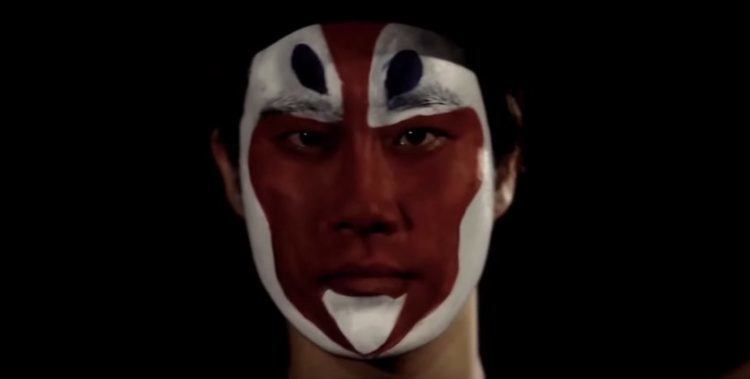
I don’t know where the folks at Shanghaiist dig this stuff up, but they have found a true gem. This video, produced by nationalist rap group CD REV and released in cooperation with a media arm of the Communist Youth League, is a perfect example of a Chinese soft power attempt gone horribly awry.
I promise this will become relevant to tech companies in a moment, but first, behold the carnage for yourselves:
From a Western perspective – and remember, this song is aimed at Westerners – this is a horrible soft power failure.
But let’s take a closer look at why it’s a failure, because this video makes a lot of the same mistakes Chinese companies make when they attempt to expand overseas.
(To be fair, we see companies from many countries making these mistakes when expanding abroad too. Many Western companies have failed in China for the same reasons).
1. Not understanding their audience
Culturally speaking, this video has gone off the rails before it hits the thirty second mark. That’s the first time CD REV appears, with their faces painted like Peking Opera masks. It’s meant to be just one of the many Chinese cultural cliches crammed into this video. But apparently the artists failed to consider that rappers with painted faces will, to Western rap fans, inevitably invoke Insane Clown Posse. ICP, if you don’t know them, are a ridiculous, root-beer spraying group that is mocked in hip-hop circles. They’re probably most famous for making the stupidest music video of all time. Not a group you want to remind people of.
That’s a pretty serious misunderstanding of your audience. It’s not the only one in the video – not by a long shot – but if you’ve got a serious message you want to convey, you don’t want to compare yourself with literal clowns right at the outset.
Understanding your target market is important.
We see Chinese companies make that same kind of mistake constantly when expanding abroad. For example, Chinese smartphone maker OnePlus has had a series of hits on its hands, but until recently it has crippled itself by using a frustrating invite-only purchase system that made buying a phone needlessly frustrating and complex. That sort of tactic has worked well for building hype in China – it’s essentially how Xiaomi got started – but Westerners hated it. They wanted to be able to buy the phone directly. OnePlus is selling its latest phone, the OnePlus 3, with no restrictions, and the early response suggests that the Western consumers are more interested in this one.
Another example: Qihoo 360’s free software security suite. This was launched several years ago, but to my knowledge it hasn’t really caught on anywhere in the West. Part of that is a branding problem: anyone outside China who’s even heard of Qihoo 360 is likely to know that it’s Chinese, and outside of China’s borders there’s a lot of distrust for Chinese security products. If Qihoo had better understood its audience, the company might have come to the conclusion that rebranding this product for the foreign market was a good idea.
The lesson here: understanding what your target market wants and how they’re likely to see your product is important.

2. Poor execution
3. Nonsensical or nonexistent promotion





Stay updated on the go with our mobile app.
Get latest insights with smoother, more personalized experience through TIA mobile app.