Paul Bischoff · · 6 min read
Play to the crowd: how crowdfunding changed the status quo among China’s hardware startups
In Shenzhen, China, hardware startups are popping up at a faster rate than ever before. The ecosystem, built on the backs of big established hardware manufacturers there, is becoming an international hub for entrepreneurs with dreams of inventing the next smart gadget to enter the homes, cars, and bodies of the masses.
“It’s been about two years since crowdfunding hit China, and before that startups were just trying to get to market on their own. Even now, there’s a striking difference between what’s happening here and abroad,” says Cyril Ebersweiler, founder of Shenzhen’s international hardware startup accelerator, Haxlr8r. “There are now multiple platforms around. There are more people committing more money, but it’s still very far from the main foreign platforms out there.”
China’s biggest hardware crowdfunding site is Demohour, but even here most of the projects still raise less money than their western counterparts on Kickstarter and Indiegogo. “It’s a market reality: people don’t like to pre-order in China. In a world where everything is ‘Taobao’s away’, why bother waiting months for something that might become obsolete?” Ebersweiler explains.
That mentality shapes the way startups in China plan their campaigns, and marks one of the biggest differences between the Chinese and western way of crowdfunding. On Kickstarter, many projects start raising funds with little more than a video and proof of concept. But in China, the gadgets are usually nearing production stage and will ship shortly after the campaign ends.
Building an entourage
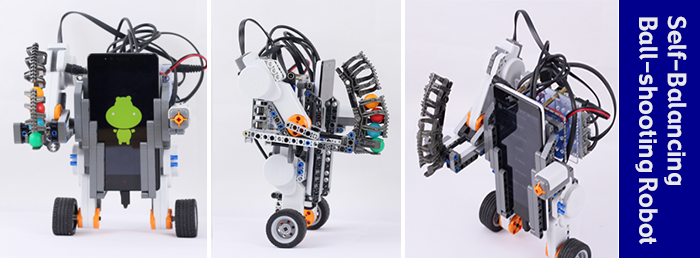
Crowdfunding isn’t meant to be a substitute for venture capital – many companies are rushing to meetings with potential investors even as their campaign is ongoing. Although the extra cash certainly gives the company a boost, it serves many other functions.
Most notably, crowdfunding engages consumers. Startups can gauge the public’s interest, rile up hype, and build a community. If those community members feel invested in the project, they’ll give feedback and new ideas.
And it’s not just customers shopping around for the next cool contraption. CB Insights published a report in August showing that big venture capital firms like Andreessen-Horowitz and Sequoia Capital keep an attentive eye on crowdfunding platforms for early-stage hardware plays. The report shows one in 10 projects that raised over US$100,000 went on to get funding from VCs. While that figure in China probably isn’t as high, the trend leans further and further in that direction.
Monkey see, monkey build
Even though a crowdfunding campaign is growing to be a obligatory phase of every startup’s lifecycle, it doesn’t come without its drawbacks.
“If you are not ready to ship in the next few months, you might shoot yourself in the foot and wake up competitors – or create new ones with deeper pockets, better execution capabilities, or distribution channels,” Ebersweiler says. And it’s on Demohour where many of these competitors sprout up, looking to beat their Kickstarter counterparts to the punch.
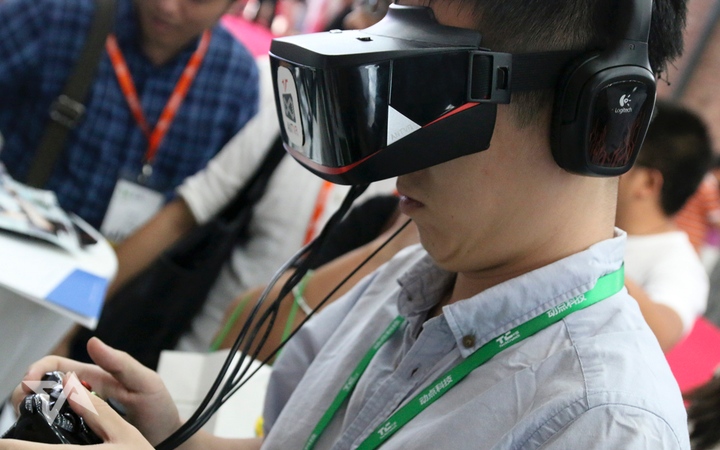
Leap Motion, Coin, and Oculus Rift, for example, all have up-and-coming rivals trying to beat them to the Chinese market that successfully raised funds on Demohour. Oculus fans have denounced the quality and functionality of ANTVR, a like-minded competitor, while Leap Motion founder Michael Buckwald has pointed out the difference between his product’s “motion control” as opposed to the inferior “gesture control” used by competitors like Vid. But the average consumer might not realize or even care about those differences, especially without an established brand name. Demohour is littered with Chinese adaptations, lookalikes, and outright clones like these. On a side note, both ANTVR and Vid were designed by the same Shenzhen-based industrial design company, LKK Design.
Ebersweiler says another hurdle to deal with post-campaign is getting traffic back to the company’s website. “In some cases, the SEO juice is going against you, and the campaign ends at the top of search engines before your website,” he says. That means the community that a startup builds up is on the crowdfunding site and not on the company home page. He adds, “most of the available tools linked to crowdfunding sites aren’t great at handling some exhausting campaigns with multiple rewards or SKUs.”
Campaign crafting
Dual campaigns
The future of the crowd





Stay updated on the go with our mobile app.
Get latest insights with smoother, more personalized experience through TIA mobile app.