 Terence Lee · · 3 min read
Letter to readers: Why some find Carousell’s secondary sale puzzling
Dear readers,
Our biggest read last week was what journalists call a “man-bites-dog” piece or a story about an unusual occurrence.
It’s rare for an investor to sue a startup over an alleged contractual breach, especially during a deal negotiation. It’s especially rare in Southeast Asia, where the community is smaller and therefore more tight-knit.
Unsurprisingly, the news has stirred up a lot of debate, which I won’t repeat here. Last we heard, the second pre-trial conference happened last week, so a costly court battle could still be avoided.
There’s no word on the outcome of that meeting, but we’ll be sure to keep track of it.
Another huge story for us last week was how Carousell’s early investors and employees cashed out with sizable returns. This was certainly good news for the company’s founders and initial backers, who benefited from its ballooning valuation.
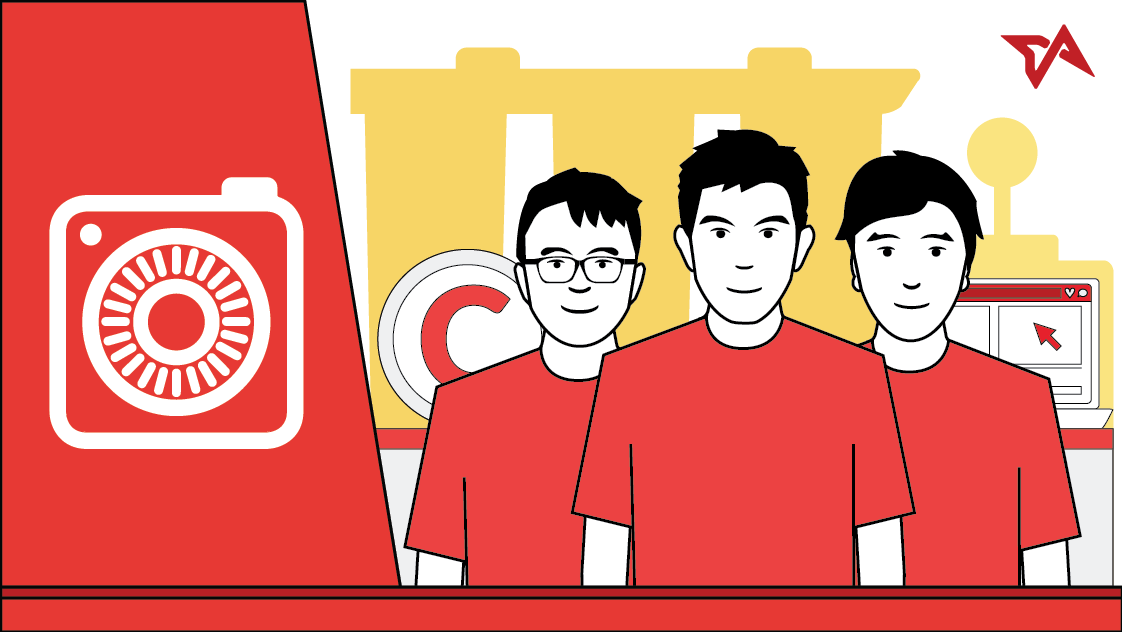
Some folks, however, find the news befuddling, especially if they’re outside of the startup or venture capital world.
How is it that Carousell’s investors can profit when the company itself is far from profitability? This seems counterintuitive, but it’s common in the venture world. Uber’s early investors were rewarded immensely from its public listing even as the company was bleeding heavily.
The keyword here is “early.” The investors that sold their shares in Carousell had chipped in when its success was far from certain. The founders of the company were fresh university graduates with no professional experience – a trait that often works against many startups.
(Fun fact: Carousell started in 2012 as a hackathon idea called Snapsell. Back then, blogshops were still a thing.)

Carousell’s app in 2012
Today, Carousell is a household name in Singapore, and its properties are collectively popular across Southeast Asia.





Stay updated on the go with our mobile app.
Get latest insights with smoother, more personalized experience through TIA mobile app.









📅 Upcoming Events
22 October 2026
Payoneer x CSPN Summit 2026