During the internet boom of the 1990s, Silicon Valley tech workers clocked up long hours to keep their startups afloat amid fierce competition and rapidly changing technology trends. When the dot-com bubble burst at the end of the decade, working hours were cut back as people sought a better work-life balance.
Chinese tech workers have been in a similar phase of high growth where long hours are expected on the job. Now, with internet growth slowing, venture capital funding harder to find, and layoffs happening, will they follow Silicon Valley with a shorter work week?

Beijing’s startup street Inno Way near Peking University is lined with incubators and co-working spaces. / Photo credit: Tech in Asia
A recent posting on Microsoft’s GitHub, a global code-sharing and collaboration platform, has triggered a wider resistance from Chinese software engineers against companies forcing tech workers to adhere to a ‘996’ work schedule (i.e. 9 am to 9 pm, six days a week).
The complaints have spiraled into a broader debate on productivity and work-life balance in a country that last year marked the 40th anniversary of adopting free-market reforms. In neighboring Japan, a new law came into effect this month capping overtime to 45 hours a month. South Korea last year cut its maximum working hours from 68 hours a week to 52 hours.
The movement in China gained more publicity earlier this month after Katt Gu, a US-trained tech industry lawyer, and Suji Yan, CEO of Shanghai-based digital privacy startup Dimension, launched the Anti-996 License on GitHub.
Companies that use the project’s open source software and codes must comply with international labor laws, which prohibit working on 996 schedule without appropriate compensation.
“This protest might become a turning point for China tech and transform it from a labor-intensive industry to an innovation- and creation-driven business,” said Yan in an interview. “Working long hours isn’t a competitive edge for Chinese tech companies. It’s not productive either.”
The South China Morning Post spoke with several software engineers and programmers about their 996 work schedule. All of them said they were not able to fully concentrate for 12 hours. They also asked for anonymity for fear of reprisal by their employers.
“My most productive working hours are from 4 pm to 8 pm when I can totally focus on coding,” said a Beijing-based engineer for a cloud service provider. “A lot of my time before 4 pm is spent on communicating with other colleagues. I can be more focused after they’re gone,” said the engineer.
The engineer also described situations where department heads would walk through the office at night to see who was working late and make key performance indicator (KPI) judgments and personnel decisions based on that.
At Baidu, operator of China’s leading search engine, two engineers separately confirmed that while 996 was not an official requirement by the company, engineers still worked overtime due to peer pressure.
“If you leave at 6 pm, it is considered leaving early,” said one of the engineers.
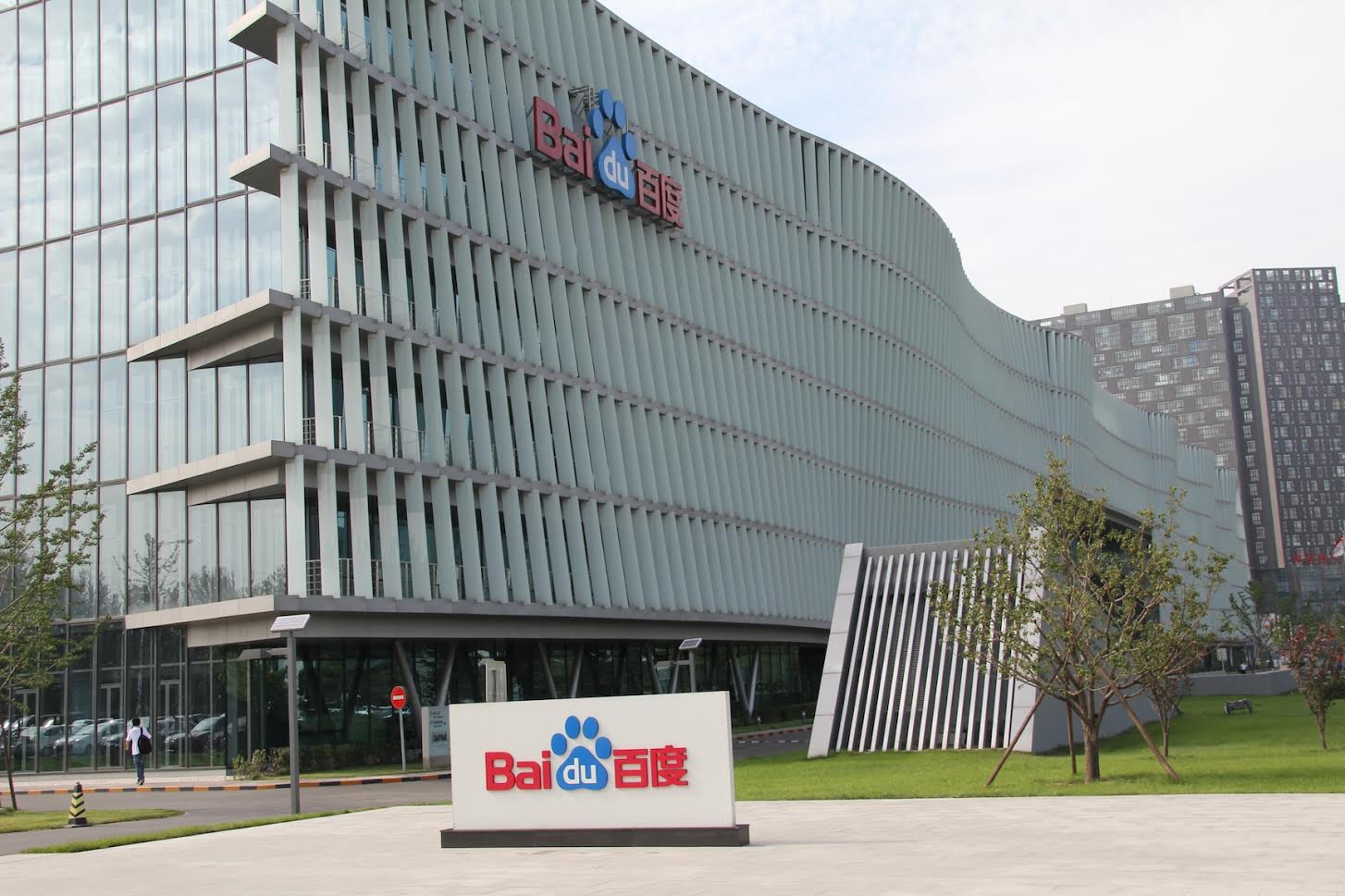
While 996 was not an official requirement at Baidu, its engineers still worked overtime due to peer pressure. / Photo credit: Pexels





Stay updated on the go with our mobile app.
Get latest insights with smoother, more personalized experience through TIA mobile app.