Erik Crouch · · 3 min read
Why Apple and Samsung have already lost the mobile payments war in China
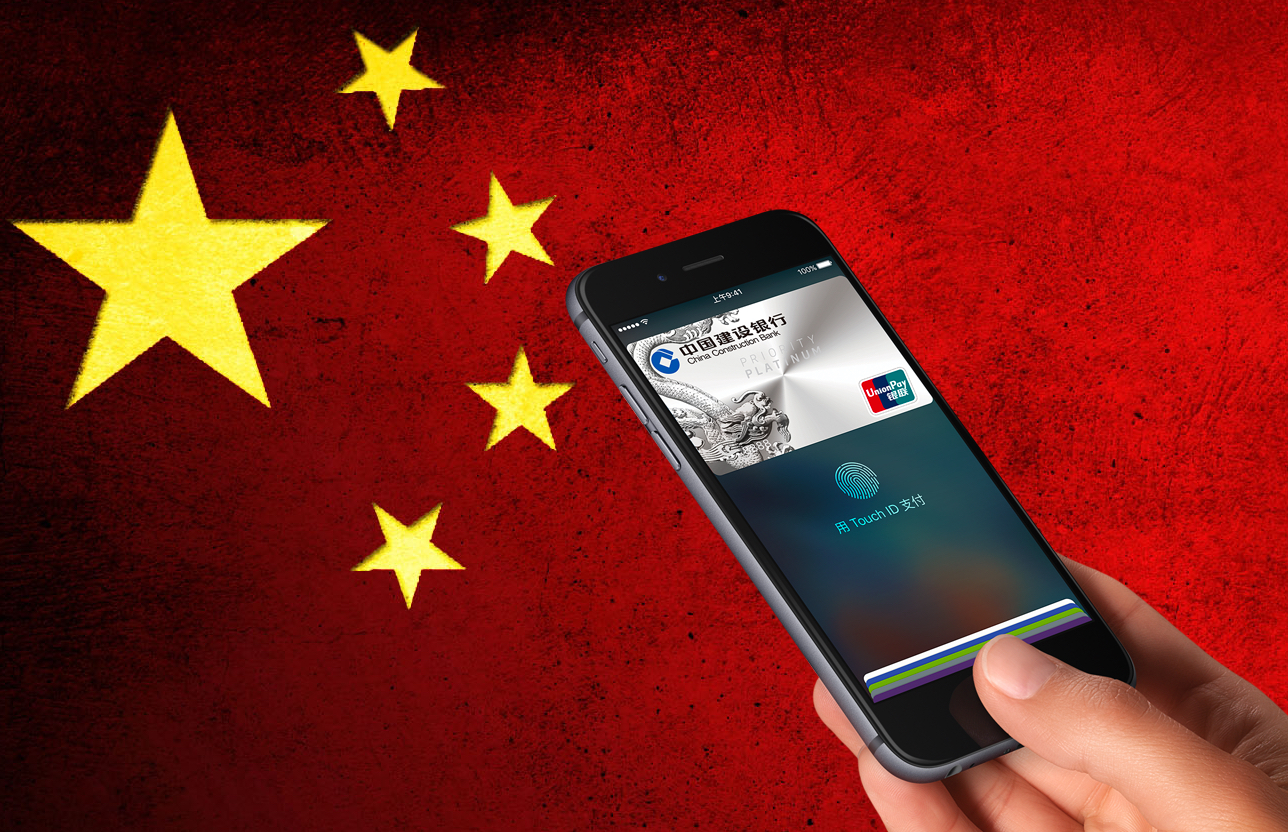 If you’re a smartphone company – even a big, successful one – looking to get into the Chinese market with your own mobile payments system, here’s a piece of advice: don’t.
Over the last month, we’ve seen Apple Pay, Samsung Pay, and even Huawei Pay enter mainland China. There are reports that Xiaomi, ZTE, and Lenovo are working on their own services as well.
Who asked for these? Not ordinary people. Chinese phone owners themselves overwhelmingly use Alipay and WeChat Wallet, created by web giants Alibaba and Tencent, respectively. And for good reason. It’s more than brand loyalty or even convenience – they are genuinely better products than their competitors, with more advanced features and better incentives to keep coming back.
You’re doing it wrong
In many countries, “mobile payments” means paying for things on your phone, and nothing more. That’s why most payment providers are essentially just virtual wallets holding your credit cards. And in places like America, this makes sense – customer loyalty programs, airline miles, discounts and the like are all handled by credit card companies, and mobile payments providers simply have to create a sleek, digital way for users to get to those same programs.
This philosophy hasn’t exactly been wildly successful in the west.
But in China, linking your bank account or credit card to a mobile payments service is just the first step. Users can then move money into their digital Alipay or WeChat accounts, where it can be used in endless ways without even leaving the apps: from buying lottery tickets and stocks to getting retail discounts, to reaping decent interest rates in digital savings accounts. That’s how Alipay got to 400 million active users – by making its service a genuinely better place to store your money than China’s unwieldy, fee-happy banks or credit cards.

Apple Pay and Alibaba’s Alipay among the payment options at a supermarket in China.
So far, when Samsung, Apple, and the like have introduced their own payments systems in China, they haven’t taken this usage into consideration. The services suppose that Chinese users simply want to have easier access to their credit cards for swiping at storefronts.
It’s worth noting that this philosophy hasn’t exactly been wildly successful in the west, either. In America, where mobile payments are still fairly primitive compared to China, Apple has struggled to keep users on its service. Now 18 months old in the US, Apple Pay is regularly used by just three percent of iPhone 6 users. And that is in a country where Apple’s service isn’t fighting off competitors left and right.
There are still spaces – but they’re hard
That isn’t to say that Chinese consumer fintech is a closed shop. It’s just a tough one to break into.
Some of the most promising innovation in Chinese fintech is in markets like insurance, currency conversion, and stocks – all of which are a bit of a nightmare for a company whose first goal is producing phones.
Alipay got to 400 million users by making its service a genuinely better place to store your money.
Instead, it would likely be in the best interest of these companies – especially Chinese firms like Xiaomi, ZTE, and Huawei – to stop fighting the market dominance of Alipay and WeChat. The deeper they can integrate those services into their OS’s, the better. They can help Chinese users pay with the tools they like, instead of trying to persuade them to switch to an alternative that can’t live up to expectations.





Stay updated on the go with our mobile app.
Get latest insights with smoother, more personalized experience through TIA mobile app.