 C. Custer · · 4 min read
Failed experiment: two years in, none of China’s new telcos makes money

Today is supposed to be a holiday for telecoms. It is, after all, World Telecommunication and Information Society Day (look it up). But China’s 42 “virtual telecom” network operators have nothing to celebrate.
Two and a half years into the country’s virtual network operator experiment, which includes big names like Alibaba and Xiaomi selling their own mobile internet plans, none of them seem to be making a profit.
Early promise
This is not what people expected back in December of 2013 when China’s Ministry of Industry and Information Technology (MIIT) officially issued the first virtual network operator licenses. Optimism abounded. Experts thought the market might be worth as much as US$11 billion by the end of 2015. Ecommerce giant JD.com, which was one of the first licensees, proclaimed plans to become China’s fourth-largest mobile carrier within five years.

Browsing the smartphones at a tech expo in Shanghai.
China’s virtual telecoms are in legal limbo, burning cash.
But it didn’t happen that way. A year later, virtual telecoms had barely attracted 400,000 subscribers, total. By July of last year that was up to 8.2 million, but nobody was making any money. Today, China’s National Business Daily reports that there are 28 million virtual telecom subscribers, but virtually none of them are making a profit. And that’s not much of a surprise, given that subscriber numbers are climbing at a far slower rate that everyone initially expected. In fact, during the same period, one of China’s major telecoms – China Unicom – actually grew faster than the entire virtual network operator market.
As if that wasn’t bad enough: the two-year testing phase for virtual telecoms has already run out, and none of them has yet been issued an official operating license. For the moment, China’s virtual telecoms are in legal limbo, burning cash in an attempt to keep up with telecom giants boasting exponentially larger user bases.
What happened?
So what went wrong? That depends who you ask.
The National Business Daily suggests it’s related to China’s real-name mobile registration system. Some virtual telecom operators aren’t enforcing it carefully, which has made virtual telecom numbers a favorite for phone scammers and spammers, damaging the reputation of the virtual telecom industry.
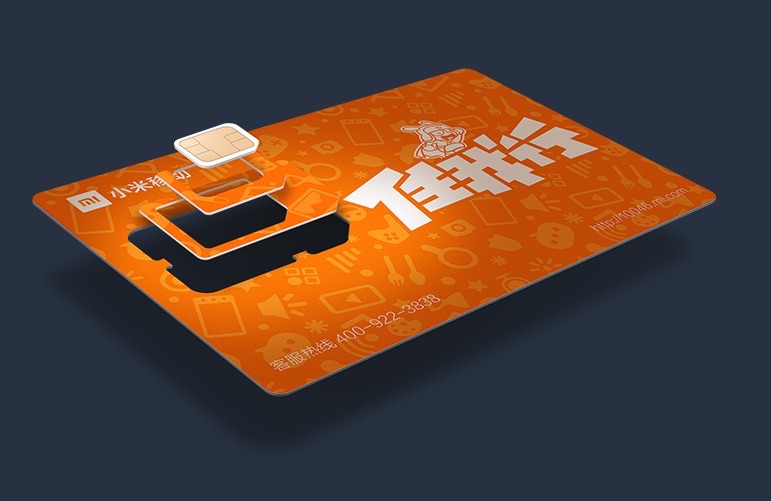
Xiaomi’s SIM card places an emphasis on web browsing rather than making calls or sending SMS. Image credit: Xiaomi.
If you live in China and were hoping for some reasonable alternative to the big three telecoms, feel free to keep dreaming.
A new challenger approaches?





Stay updated on the go with our mobile app.
Get latest insights with smoother, more personalized experience through TIA mobile app.








📅 Upcoming Events
22 October 2026
Payoneer x CSPN Summit 2026