Sidney Leng · · 4 min read
Facebook Libra: What can China learn from the world’s first super sovereign currency?
Facebook’s plan to launch a new digital currency, Libra, has triggered a debate in China as to whether Beijing should welcome, worry about, or simply ignore the launch.
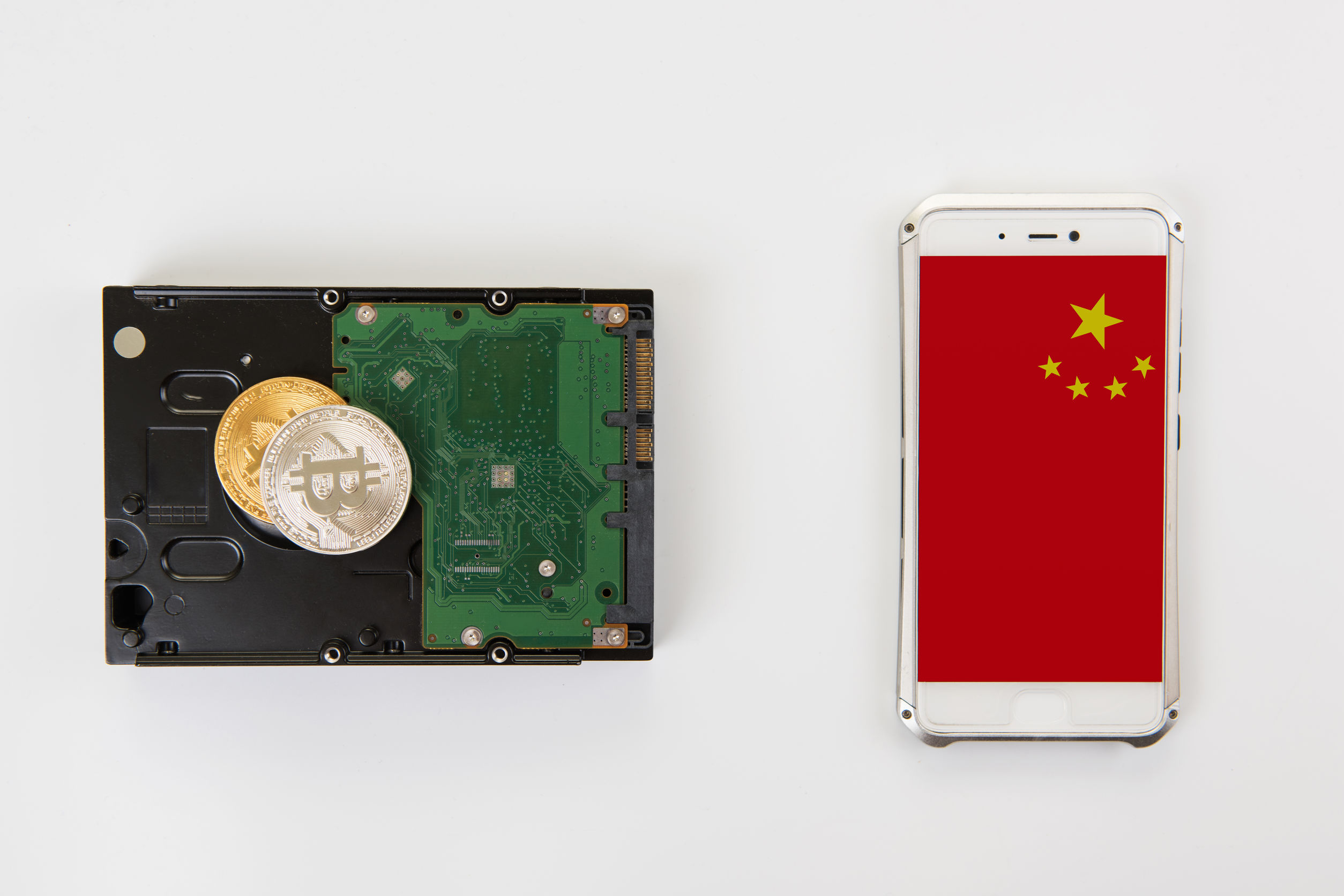
Photo credit: Ruslan Olinchuk
On one hand, there are concerns that Libra could bring fresh uncertainty to Beijing’s vision of a future move away from the US dollar hegemony and also pose new risks to China’s capital controls.
On the other hand, Libra could offer fresh incentives for China to accelerate the creation of its own digital currencies and provide a benchmark against which Beijing can view how other countries regulate them, analysts in China said.
The People’s Bank of China (PBOC) has yet to make any official comment on Libra, while Facebook remains banned by China’s internet censors.
Libra could be launched in the first half of 2020, regulatory approval permitting. It has the potential to tap into the social network’s 2 billion-plus users, who would theoretically be able to use it to save and transfer money, and buy goods and services.
It will be pegged to a basket of major currencies to limit its volatility and already 27 companies, including Visa, Mastercard, PayPal, Vodafone, and Uber, have agreed to partner with Facebook on the project.
It marks a step forward in creating a “super sovereign” currency, mirroring Beijing’s own goal of reducing the dollar’s dominance, but does not conform to Beijing’s idea of a future world currency based upon Special Drawing Rights (SDR), an accounting unit used by the International Monetary Fund.
The value of the SDR is based on a basket of major currencies, including the yuan, but has not gained much traction as a reserve or transaction currency.
Shen Jianguang, chief economist at JD Finance and a veteran Chinese economy watcher, said China’s idea of having an SDR-based currency based replace the US dollar never took off because it received little support from the private sector or other central banks.
“Compared to the SDR that is used by governments [rather than the general public, SDR is used by central banks to adjust their currency reserves], Libra could have a much wider application,” Shen said.
China’s vision for a future international monetary system was elaborated on in a paper published in 2009 by Zhou Xiaochuan, then PBOC governor.
Zhou wrote that the US dollar’s primacy was a source of international financial instability and suggested that the rest of the world could create a super sovereign currency based on the SDR to replace it.
China tried to boost the international clout of the yuan in the years following the global financial crisis, successfully convincing the IMF to include its currency into the SDR basket in 2016.





Stay updated on the go with our mobile app.
Get latest insights with smoother, more personalized experience through TIA mobile app.