Iain Garner · · 3 min read
Explore an ever-changing space-faring citysphere in Japan-developed indie offering, Homemake
I have a joke for you.
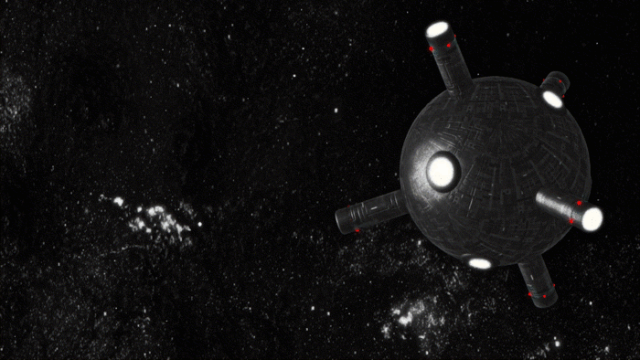
What do you get if you cross two architecture students, a love of DJing, comics, and computer games? You get an ever-changing city built on an inverted spherical plane floating through space.
Didn’t see that one coming, did you?
Homemake by Archgame is what brings this unusual concept to life. This third-person platforming adventure is based inside the fictional spacesphi/city of Sumimoto and is currently on Kickstarter. At the time of writing, Homemake has just achieved 50 percent of its $15,000 target, with 17 days to go. Things are looking good; and they are also looking weird.
Homemake has plethora of playable characters, but the true protagonist is the city itself. Sumimoto is a constantly-evolving dystopian dreamscape which changes depending on the character, their actions, and their relationship to the city. The city’s changes are slow and almost imperceptible, but it’s alive and growing. The limited space provided by the spherical universe, and this constant growth toward the centre of the sphere creates a “battle” for space above the characters’ heads as building begin to combine and connect with one another in a never-ending war for space.
If this doesn’t sound like the perfect setting for a free-form platforming adventure, I don’t know what does.
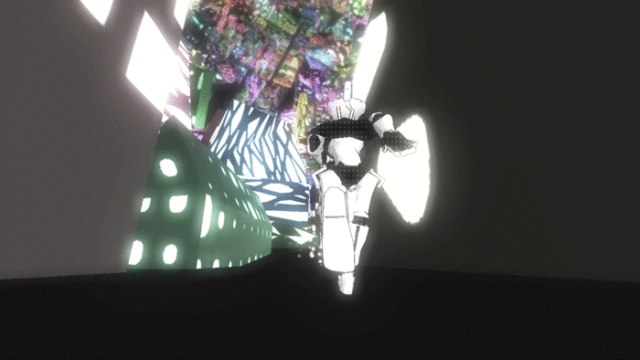
The developer adds an extra layer of complexity by having a host of playable characters available for “body swapping.” Some characters are fast, some are strong, and some have a silver tongue, and you’re going to need them all to negotiate the the depths of Sumimoto. It’s not just about abilities, though. It’s also about perception.
(See: The Asian developer’s dilemma: Kickstarter or Indiegogo?)
The way the characters perceive the city has a direct impact on what they can do within it. This means that the human girl sees the city in a different way from the robot character, or the hippo. (That’s right—there’s a space hippo.)
Players will see the city from multiple perceptions instead of a standard static one. A character’s dream could be another character’s nightmare. I love the idea that understanding the city requires multiple viewpoints; this could add a surprisingly deep dialogue between the player and the game.





Stay updated on the go with our mobile app.
Get latest insights with smoother, more personalized experience through TIA mobile app.