Asia is in the throes of an indie gaming revolution. The rise of Google Play, the App Store, Steam, and others have allowed smaller companies access to a global market. But it’s not always easy to get a project off the ground and even a small game requires time, effort, and most importantly, money. It’s a tricky thing to get a small project financed, but it’s getting easier. Only a few years ago the only way to get funded was to get into bed with a large company, or be one of the lucky few to get the investments needed.
The situation has changed and developers no longer need to pitch their concepts to other companies. With the help of platforms like Kickstarter and Indiegogo, they can pitch to gamers directly.
Kickstarter and Indiegogo have similar business models: they are facilitators for modern “art patronage.” Art patronage is an age-old system in which a wealthy patonron or patrons fun an artist. Kickstarter and Indiegogo expand allow thousands interested parties to do the same job. We refer to this system as “crowdfunding.”
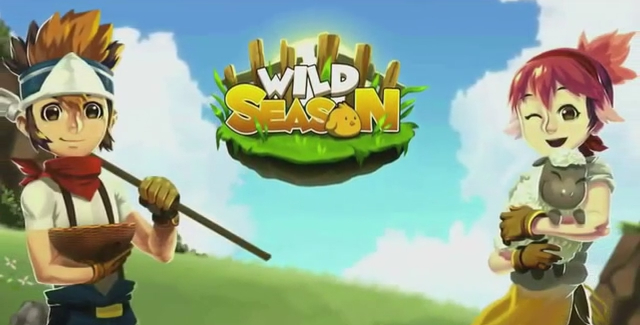
Crowdfunding has had a massive impact on the games industry, funding titles like Broken Age, Republique, and Wild Season. Kickstarter has even helped to create the first Android-based console: the Ouya. And the crowdfunding model is already becoming popular in Asia.
But things are not always as simple for Asian developers as they are for those in Western countries. Plus, making a decision between Indiegogo and Kickstarter can be tough!
Kickstarter or Indiegogo?
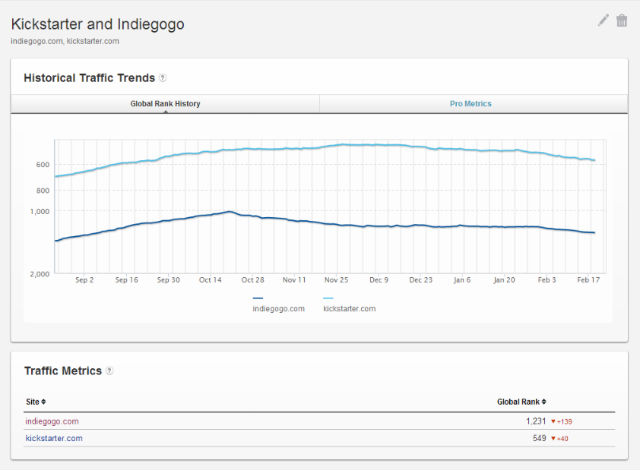
Let’s start with Indiegogo. The first thing to know is that Indiegogo is way smaller than Kickstarter and has less web traffic. According to Alexa, Kickstarter’s global ranking is 549 and Indiegogo’s is 1,231. This is a big difference and developers must take this into consideration before making a decision. Indiegogo still has respectable site traffic, but Kickstarter is definitely the more popular site.
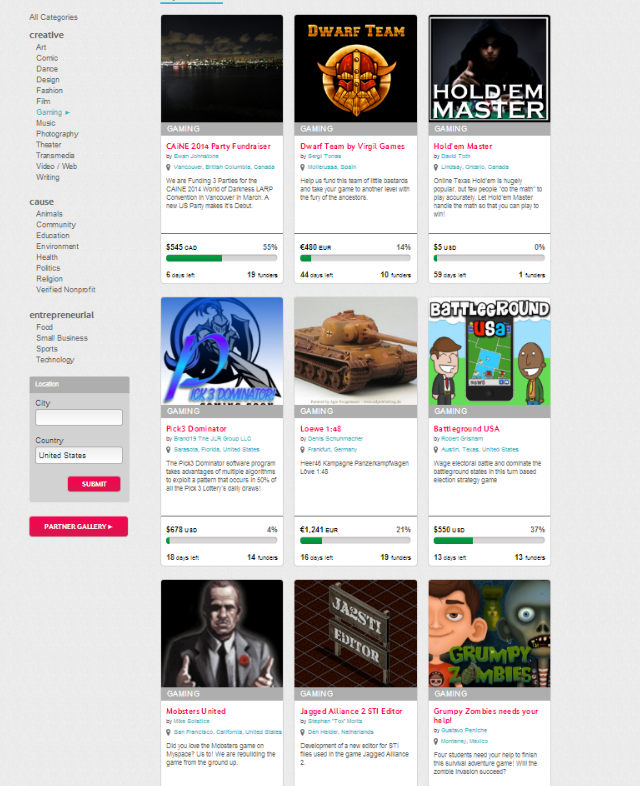
Another issue is that Indiegogo’s website looks and feels dated. It also has limited navigation functions and browsing is not as easy as it should be. To test navigability, I tried to find Harold Cheng’s: RESPAWN without using the search feature. I couldn’t. I also noticed that its gaming page is seriously underpopulated, and many of the projects on it have tenuous links to gaming. To show the difference in the content quality, I took screenshots of the 3rd page of both sites.
Indiegogo looked like this:





Stay updated on the go with our mobile app.
Get latest insights with smoother, more personalized experience through TIA mobile app.








📅 Upcoming Events
22 October 2026
Payoneer x CSPN Summit 2026