 Rita Liao · · 6 min read
China’s gaming giant and other tech firms are betting on this new ecommerce niche

Netease CEO William Ding Lei showed off his firm’s new ecommerce endeavor – affordable premium goods – at a top internet conference last year. / Photo credit: NetEase
At a government-run Chinese internet conference last December, reporters crowded around William Ding Lei, founder and CEO of China’s second-largest gaming company, NetEase. Their attention fell on the gray merino scarf hanging around his neck. The chic accessory, as it turned out, wasn’t from a luxury brand. For US$60, anyone could buy it from Casta Diva, a manufacturer on Factory Store, the ecommerce site that NetEase launched last September.
Ding’s choice signifies a new consumer need in China. As income levels grow, so does the population of upper-middle class and affluent Chinese. They’re not just buying more, but they’re also demanding “higher-quality products in certain categories, such as electronics, food, apparel, and children’s products,” according to a 2017 Boston Consulting Group report. In short, they want value for their money.
The Chinese are “intensely focused on the value of products and services. They require that companies justify their prices. Having a well-known brand is no longer enough to win over consumers,” says the BCG study.
This is where ecommerce players like Factory Store come in. As its name implies, Factory Store sources directly from makers of premium goods and sells to consumers. In turn, manufacturers get to sell under their own label, instead of distributing their products through a more recognized brand.
In the traditional setup, factories supply to brands, which then sell the wares as their own via physical outlets and online platforms. By the time a product reaches the consumer, its price could be several times its manufacturing cost.
Casta Diva has been a supplier to luxury brands like Prada, Valentino, Moncler, and Kenzo. A merino scarf stamped with these labels could easily cost over US$500.
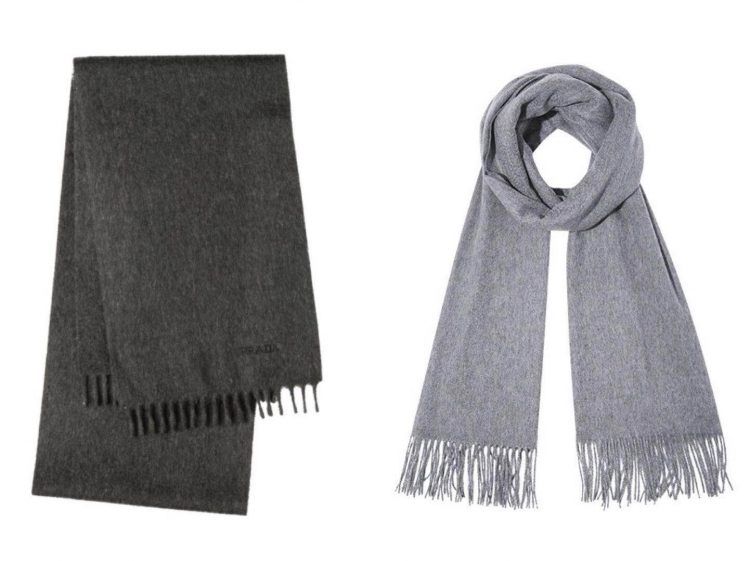
Prada’s US$600 cashmere scarf (left) and Casta Diva’s $US60 one (right)
Factory-to-consumer ecommerce, on the other hand, “effectively shortens the supply chain, resulting in lower prices for consumers,” says Benji Lamb, director of ecommerce agency GMA.
For manufacturers, it means focusing on what they’re best at, which is design and production, a Factory Store spokesperson tells Tech in Asia. “We take care of the rest: procurement, product testing, branding, and promotion.”
Factory Store is essentially carving out a niche: offering affordable premium goods to the well-heeled but calculating Chinese consumer.
These people are already shopping on Factory Store’s parent site Kaola, NetEase’s popular cross-border ecommerce arm that imports premium brands from all over the world. Factory Store aims to turn people’s attention inward.
BCG predicts that China will be adding US$1.8 trillion in consumer spending from 2016 until 2021 – the size of Germany’s market. Wealthy Chinese will account for 75 percent of that increase, and some of them will be looking for deals like the Casta Diva scarf.
Factories’ lifeline
A crowded space





Stay updated on the go with our mobile app.
Get latest insights with smoother, more personalized experience through TIA mobile app.









📅 Upcoming Events
22 October 2026
Payoneer x CSPN Summit 2026