 Kaya Domingo · · 5 min read
How Microsoft steers Singapore SMEs toward digital transformation success

If Microsoft had a physical engine, it would have a seemingly infinite supply of fuel to power it.
From its humble beginnings as a provider of software and microprocessors, the firm has since become a household name as one of the largest tech companies in the world. This success – something no doubt many companies around the world aspire toward – did not come easy, and took constant innovation, grit, and agility.
Having had a presence in Singapore for more than 32 years, Microsoft has aimed to help businesses in the country achieve similar triumphs through digitalization.
“In our conversations with our customers, it’s clear that they are constantly looking for ways to challenge the status quo and build new ways to solve some of their toughest problems,” says Kevin Chan, chief partner officer for global partner solutions at Microsoft Singapore.
Upskilling drives digitalization
For many companies, successful digitalization doesn’t just end after adopting the right solutions. It requires employees to be well-trained to use these tools too.
The issue – according to findings from Microsoft’s annual Work Trend Index report – is that 76% of people in Singapore say they currently don’t have the digital know-how to get their work done. This is slightly higher than the overall figure for Asia Pacific, which stands at 71%.
In some cases, it’s simply because these skills weren’t as needed before. In other cases, it’s because upskilling workers is easier said than done.
“Not every business may have the capabilities or resources to upskill their workforce at scale, which is why we invest in actions that provide skilling opportunities with our ecosystem of partners,” says Chan.
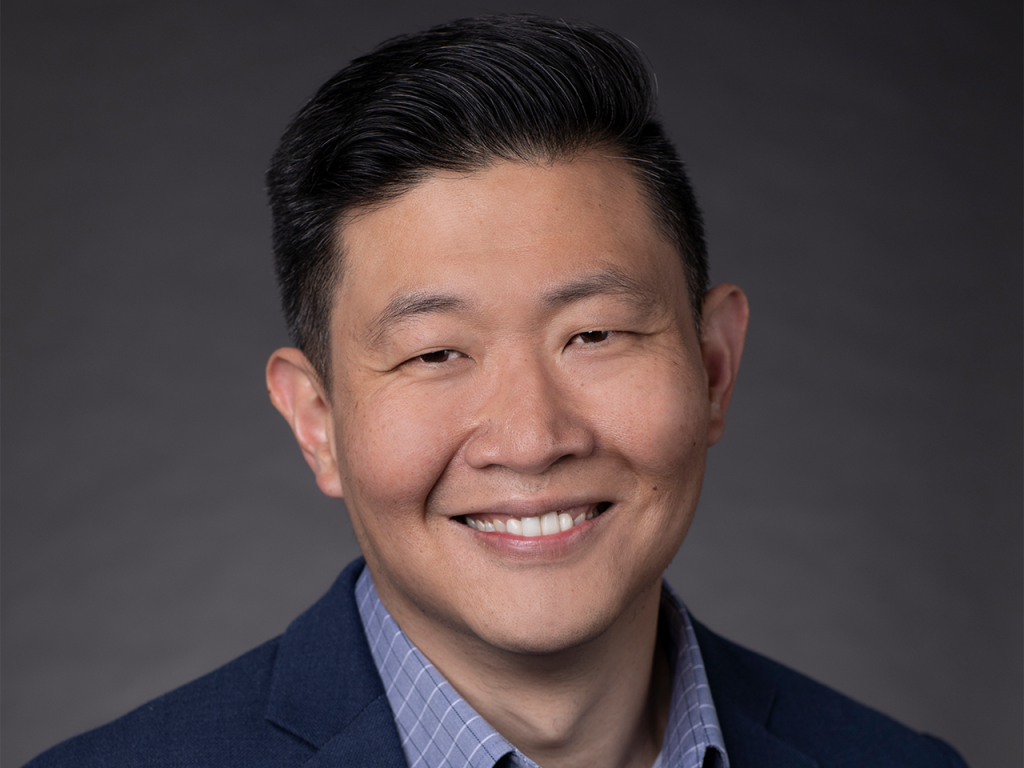
Kevin Chan, chief partner officer for global partner solutions at Microsoft Singapore / Photo credit: Microsoft
For instance, through programs like Microsoft’s Let’s Skill Up, companies can work with SkillsFuture Singapore – an organization dedicated to training local workers – to customize talent development.
Of course, even a company as huge as Microsoft can’t always go at it alone. With its decades-long presence in the local ecosystem, the firm can work closely with both the public and private sectors..
For example, it helps local businesses facilitate job placements through national initiatives such as the SkillsFuture Work-Study Program, among many others. These initiatives are part of the Singapore government’s efforts to help the local workforce stay relevant with new technologies and adapt their skillsets accordingly.
In the case of private organizations, Microsoft worked with the likes of Generation SG, the local branch of a global non-profit organization that supports workers’ career development.
Along with other organizations such as Digital Industry Singapore, the Infocomm Media Development Authority, and SkillsFuture Singapore, Microsoft and its partners launched #GetReadySG, a program geared toward upskilling, placing, and filling the demand for tech-enabled jobs. Initially launched in 2020, the program has reached almost 400 SMEs and 700 people to date.
Improving operational efficiency for SMEs
While a workforce’s skill sets are a huge point of consideration, sometimes simply applying new solutions can cause a bit of a headache. After all, new tech can often be expensive and potentially disrupt business.
Some companies have decided to plough ahead anyway, even if they didn’t have the most digitalized operations before. One example: medical equipment manufacturer Fong’s Engineering, which, naturally, heavily relies on its manufacturing facilities.
When the Covid-19 pandemic struck, it brought about heavy disruptions – for instance, restrictions like the Malaysian government’s movement control order – which highlighted the need for tech-based solutions.
Initially, the firm’s leaders were apprehensive about implementing new tech, as it could disrupt well-established processes. Stakeholders were especially concerned because with medical equipment manufacturing firms like Fong’s, reliably providing goods and services without interruptions is paramount – without it, people’s health would be at stake.

Photo credit: Shutterstock
So the company reached out to Microsoft, whose first step was to identify Fong’s specific challenges and learn about its desired outcomes from the technologies it wanted to adopt.
And the outcome the manufacturer had in mind? To simplify internal processes while minimizing potential disruptions to ongoing operations.
Following Microsoft’s guidance, Fong’s connected the operational technology used to control machinery with software such as automated scheduling, production management, and data analytics. This helped the company improve the efficiency of its machines and automate many day-to-day activities remotely.
With the interactive dashboards that Microsoft provided, Fong’s could see real-time data pulled from IoT sensors. This capability not only gave the firm a better overview of its operations, but allowed it to respond to changes or incidents quicker as well.
Through Microsoft Power Platform, a low-code platform for building data-driven business solutions, Fong’s was also able to build HR management and capital expenditure management platforms, allowing it to reduce tons of manual work.
“We’re really glad we worked with Microsoft to build all of this. Ultimately, it wasn’t just about how it had the solutions we needed but also how we worked together to apply them,” says Joseph Wong, director of technology and transformation at Fong’s Engineering.
Bringing the industry together
Initiatives and direct partnerships are great, but there’s one more thing that drives change: in-person events.
That’s why Microsoft organized Digital Connect SG earlier this year together with tech solutions distributor Ingram Micro and Singapore trade association Action Community for Entrepreneurship.
Riding off the hype of AI and other recent innovations, Digital Connect SG served as the perfect platform for Microsofts’ partners to help local businesses master these new technologies, says Microsoft Singapore’s Chan.
True to its goal of powering Singapore’s economic growth, the event was catered toward the manufacturing and SME sectors – two key growth engines for the city-state in GDP and job creation.

Photo credit: Shutterstock
Through Digital Connect SG, businesses and relevant organizations of all sizes got to interact with each other and ultimately, align everyone on the same page.
“Working closely with our stakeholders in the ecosystem has proven to be effective in providing very tailored, customized help to our customers, enabling them to approach this complex journey of digital transformation no matter what industry they are from,” says Chan.
Toward a digitally inclusive future
The journey of digital transformation is often a daunting one, but Chan says the most important thing is a culture of trust and innovation, which allows business leaders to openly collaborate and share ideas.
This is something that Microsoft wants to advocate, whether it be through direct interactions with firms – such as Fong’s Engineering – or the events that it organizes.
“Ultimately, all we really want is to create a more inclusive, equitable, sustainable, and trusted future for everyone,” says Chan.
Learn more about Microsoft’s solutions for your digital transformation journey on its website.
This content was produced by Tech in Asia Studios, which connects brands with Asia’s tech community. Learn more about partnering with Tech in Asia Studios.
Stay updated on the go with our mobile app.
Get latest insights with smoother, more personalized experience through TIA mobile app.
Recommended reads
 Indonesian AI startup goes global
 Forrest Li on scaling Sea, building smarter bots, and founder grit
 An AI assistant that joins sales calls and scores team skills
 Beyond the check: Why VCs need more than capital
 SGX’s CEO says it doesn’t need a unicorn to win
 SMEs want AI too, but not the kind Big Tech is selling
 Oatside’s alt-milk rise hits a profitable gear
 Alibaba’s financial health in 12 charts
 Asia’s telcos bundle AI into mobile plans. Will it pay off?
 M-Daq chases bigger clients as revenue falls, losses grow





Editing by Jonathan Chew, Winston Zhang, and Jaclyn Tiu
(And yes, we’re serious about ethics and transparency. More information here.)





