Welcome to The Top Up! Delivered every Wednesday via email and through the Tech in Asia website, this free newsletter breaks down the biggest stories and trends in fintech. If you’re not a subscriber, get access by registering here.
Hello there,
I remember the first time I entered a Sephora store. I was young and was in the US for a work and travel program. I hardly wore any makeup then, and stepping into the shop, the large selection of makeup products on display was dazzling.
Years later, I was surprised to learn that it was an illusion. The products decked onto Sephora shelves were in fact owned by just a handful of brands.
Bobbi Brown, MAC, and Estee Lauder, for instance, are all owned by Estee Lauder, while Kat Von D and Fenty belong to the LVMH family, which also owns the Sephora stores. You get the drift.
As consumers, we rarely think about the companies behind brand names.
Which is why even though many of us might be familiar with Atome, the buy now, pay later (BNPL) service that’s pervading our shopping experiences, few of us would know Advance Intelligence Group, Atome’s parent firm which entered unicorn territory last month.
In this week’s big story, we take the lid off the enigmatic company behind Atome. Advance Intelligence operates a host of businesses, from alternative credit scoring, risk management, merchant software services, to digital lending. What’s driving its fast growth and which are its largest markets? You’ll have to read on to find out.
— Melissa
THE BIG STORY
The enigmatic unicorn behind BNPL firm Atome

Image credit: Timmy Loen
Advance Intelligence Group has quietly grown in five years, and its headcount now stands at 1,500. We unpack what makes the Singapore-headquartered firm tick. After reading this story, one thing will be clear: The era of pure BNPL players may be coming to an end.
DEEP READ
1️⃣ Key Southeast Asia fintech trends in 2021
VCs love publishing presentations. Singapore’s Cento Ventures is one of them, and their take on fintech trends in Southeast Asia is worth checking out.
Here’s a quick summary of the slides, which were created together with consultancy firm Momentum Works:
- Everyone is trading. It’s never been easier to buy and sell shares, thanks to trading apps from companies like Ajaib, iFast, Up Fintech, and Futu.
- Cross-country digital payments – a dream come true? Digital wallets like Shopee Pay, Ovo, and GoPay are pretty well-known. But cheap and convenient cross-country bank transfers could be the next thing to watch out for, with Singapore establishing links with Malaysia, Thailand, and India.
- Bye P2P, hello BNPL. We’ve been covering the BNPL space extensively, so not much more needs to be said about it. Players on the peer-to-peer (P2P) lending side, however, are shedding the P2P label and courting more institutions as lenders instead.
TRENDING NEWS
Check out Tech in Asia’s coverage of Asia’s fintech scene here.
1️⃣ First bitcoin futures ETF to debut on NYSE
The exchange-traded fund (ETF), offered by ProShares, has been years in the making, its CEO says. However, the new product only gives investors indirect exposure to bitcoin, resulting in higher costs and more confusion.
Why it matters:
The milestone signals greater regulatory acceptance of cryptocurrencies. A few other bitcoin futures ETFs are undergoing an approval process, and they could also debut if the Securities and Exchange Commission (SEC) doesn’t intervene.
Still, crypto players hope for a day when products that invest directly in bitcoin would be allowed to list, as this would make it easier for retail investors to dip into cryptocurrency.
However, attempts by these ETFs to list have all been rejected by the SEC on the basis that they might be susceptible to market manipulation.
2️⃣ StanChart to pour $500m into Atome as part of strategic partnership
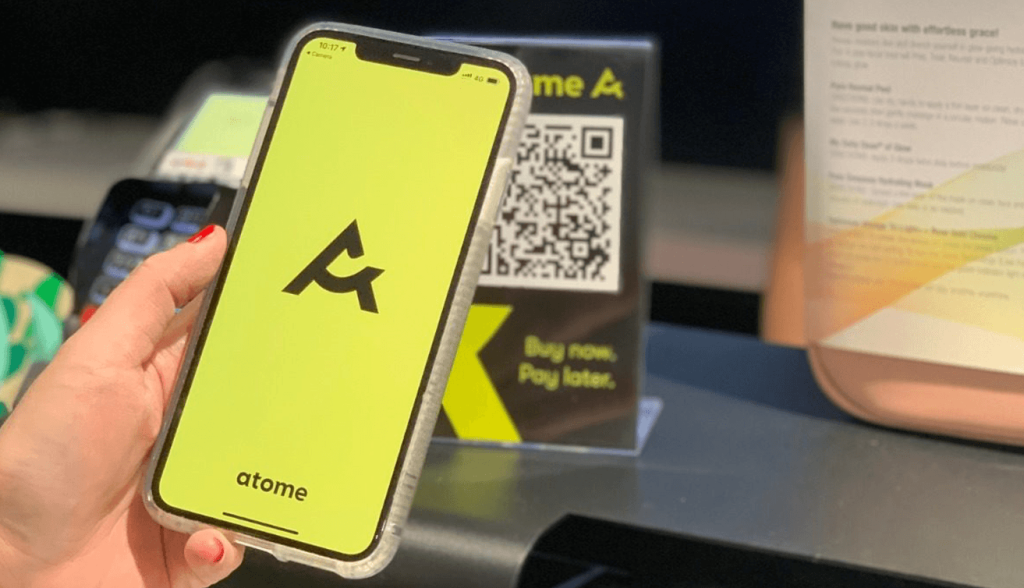
Image credit: Atome
As part of the two firms’ 10-year partnership, the companies will jointly roll out buy now, pay later services in Indonesia, Malaysia, Singapore, and Vietnam, as well as introduce digital lending products.
For Atome Financial, which operates BNPL firm Atome and lending platform Kredit Pintar, the partnership with a major financial institution expands its merchant network, while its retailers stand to benefit from a larger customer base and basket sizes.
Why it matters:
More of these tie-ups can be expected as banks seek to crack the BNPL market or risk being left out of a major market opportunity.
The partnership is an example of “banking-as-a-service,” where a bank offers its platform to the BNLP provider to deliver an expanded set of financial products to customers, notes Kanv Pandit, group managing director for banking solutions at FIS.
Some banks are launching BNPL services as an extension of their own credit cards. But they’ll have to find their own niche.
Unlike fintech firm Afterpay, which mainly targets millennials, Citi’s upcoming BNPL brand in Australia will target 35- to 45-year olds, a demographic it expects will use BNPL services more often and for larger-ticket items.
3️⃣ Challenger bank N26 raises $900 million at $9 billion valuation
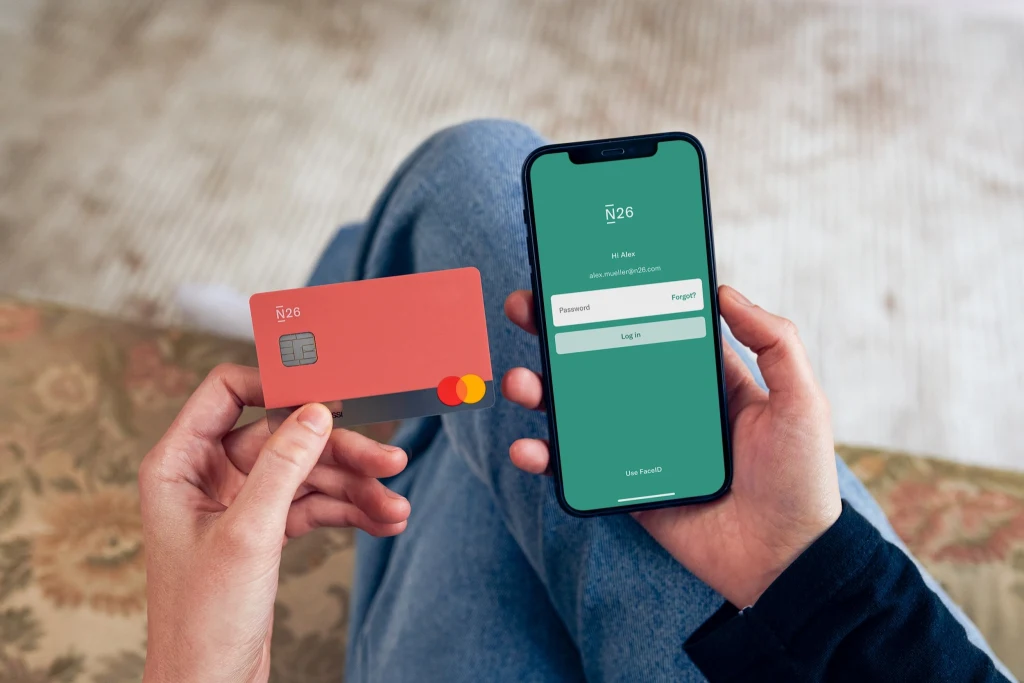
Image credit: N26
With this round, the Berlin-based company has seen its valuation jump from US$3.5 billion to US$9 billion. N26 is planning for an IPO in three to four years.
Why it matters:
A new wave of digital-native banks are continuing their march, and this is certainly true in Southeast Asia.
We mapped out the digital banking landscape in the region last week, and the diversity of the players stood out: Massive consumer apps are set to compete with traditional banks and startups for hard-won deposits.
While it’s easy to paint traditional banks as out-of-touch entities, they have clear advantages that cannot be dismissed.
STARTUP WATCH
1️⃣ ISeller – Indonesian POS startup cashes in $8.4m new funding
Founded in 2017, iSeller says it processes more than a million transactions every month for its 60,000 merchants. With the funding, the startup plans to increase its merchant client base by up to 6x and expand to 50 cities in Indonesia.
2️⃣ Surer – Antler-backed insurtech firm banks $1m in seed money
The cloud platform of Singapore-based Surer helps insurance intermediaries easily access insurance quotations and assists insurers to efficiently distribute their products. Since its launch in September 2020, the platform has processed more than US$880,000 in gross written premiums.
That’s it for this edition – we hope you liked it! Do also check out previous issues of the newsletter here.
Not your cup of tea? You can unsubscribe from this newsletter by going to your “edit profile” page and choosing that option in our preference center.
See you next week!
Stay updated on the go with our mobile app.
Get latest insights with smoother, more personalized experience through TIA mobile app.
Recommended reads
 Razer Fintech taps BillEase for BNPL
 The profitable startup connecting brands with parents in SEA
 Alipay+ extends Asia reach with Pakistan partnership
 Atome Financial logs EBITDA profit in Q1 amid BNPL growth
 No profit, no problem: Why VCs poured $47 million into loss-making Qoala
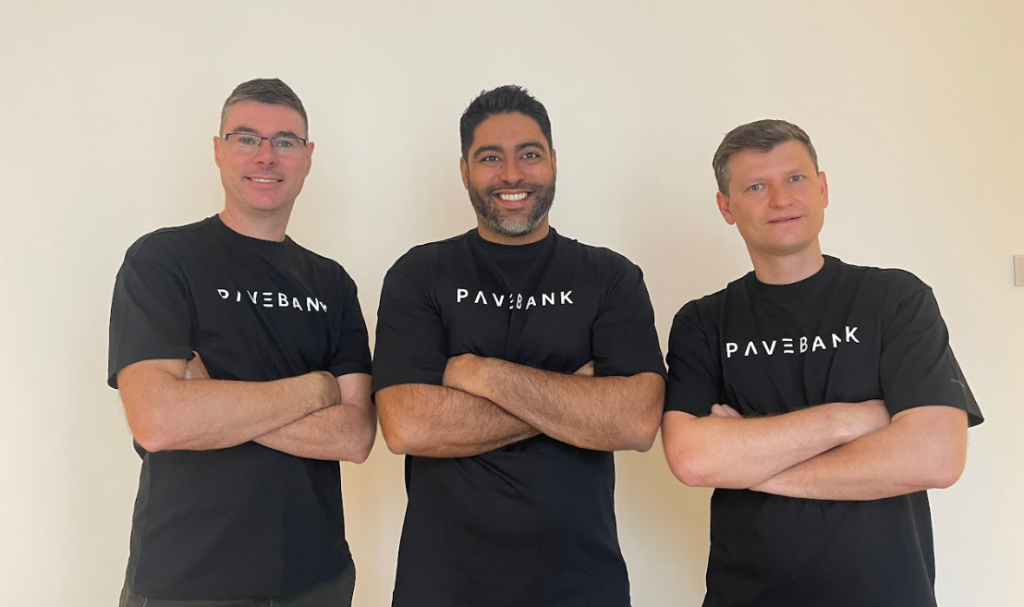 Pave Bank launches as ‘programmable’ digibank with $5.2m in seed money
 KoinWorks’ P2P lending unit turns profitable as group revenue jumps 71%
 Tyme Group hit $160m revenue run rate in 2023
 HSBC Singapore injects up to $100m debt financing into Akulaku
 Tokopedia, TikTok Shop have completed back-end integrations





Editing by Jaclyn Tiu and Terence Lee
(And yes, we’re serious about ethics and transparency. More information here.)