- Insights This article was written by a TIA community member. Insights pieces undergo the same rigorous editorial process that newsroom-produced articles have.
 Yu Siang Teo · · 5 min read
Yes, the new MacBook Pro is underwhelming. No, I’m not switching to a Surface Studio
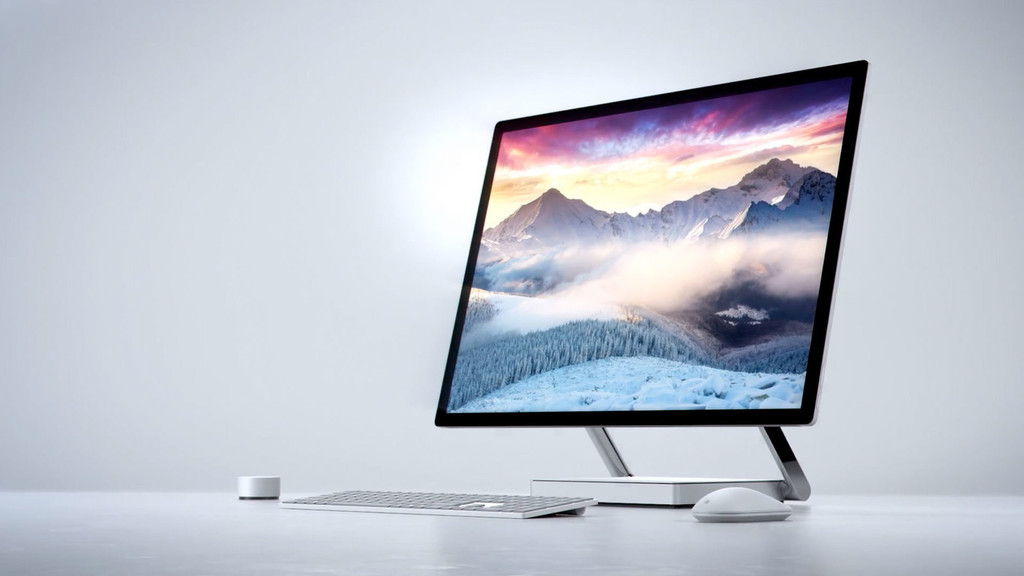
Apple’s new MacBook Pros are underwhelming. The switch to USB-C ports is probably good in the long run, but it sounds like a lot of trouble for consumers. They’re way too pricey for the not-so-cutting-edge specs, and that’s excluding any expensive new dongles you have to purchase. It’s also still too early to tell if the the Touch Bar, the biggest innovation in the new MacBook Pros, is just a marketing gimmick or something truly groundbreaking.
But something strange has been happening, especially since Microsoft launched a slew of new products (most notably the Surface Studio) just days before Apple’s event.
Everyone’s calling out Apple’s demise. That includes some authors on CNET, Mashable, Wired, and even here in Tech in Asia.
Most seem to have the idea that the Surface Studio is going to pull creatives away from Apple’s market share and into Window’s ecosystem, but I highly doubt that is going to happen in the near future. Why? Because, well, the Surface Studio runs on Windows.
I’m not talking about how Apple’s tight ecosystem keeps me from switching away from my MacBook Pro and iPhone. I’m talking about how Windows is just an OS that’s badly designed and ill-suited for creatives. Here’s what I mean.
It’s 2016 and Windows 10 still doesn’t properly support hi-DPI screens
Hi-DPI (aka high-resolution density) screens are commonplace today. In fact, it was already popular in 2015.
And yet when Windows 10 first launched, it had poor support for these. For high-density, high-resolution screens (like the Retina MacBook Pro or the Dell XPS 13), text appeared minuscule on most apps, if not pixellated and blurry.
Look at how Windows 10 handled hi-DPI screens vs. how OS X did it:
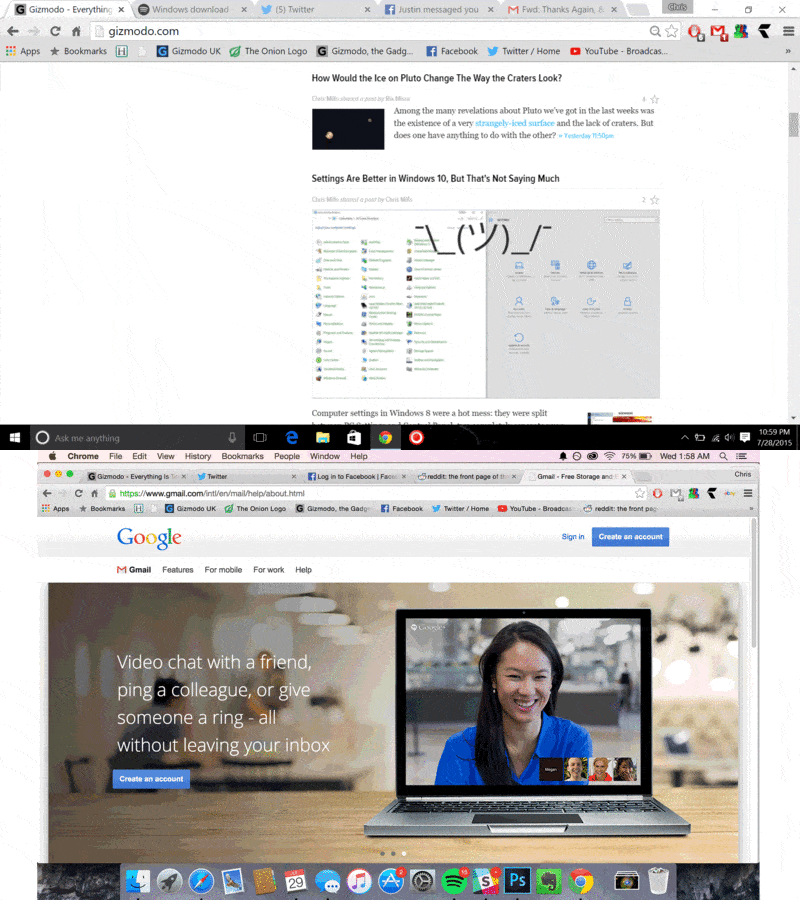
Photo credit: Gizmodo.
Google Chrome on Windows 10 had giant tabs and regular-sized text (if not regular-sized tabs and minuscule text) while Google Chrome on OS X appeared fine on Retina.
It’s worse when you’re working with a mix of hi-DPI and low-DPI screens like I do. When you drag a window from one screen to the other, it undergoes a grotesque transformation and either blows up or shrinks. There were times when transferring the window caused it to expand to a size larger than the screen. This renders it quite unusable and incredibly annoying.
In an anniversary update to Windows 10, released a couple of months ago, Microsoft attempted to fix the issue. However, the problems remain. According to tech writer Paul Thurrott, Microsoft may never fix the hi-DPI problem in Windows 10.
Windows 10 is a mess of visual inconsistencies
It’s the tiny details that matter
Conclusion





Stay updated on the go with our mobile app.
Get latest insights with smoother, more personalized experience through TIA mobile app.