- Insights This article was written by a TIA community member. Insights pieces undergo the same rigorous editorial process that newsroom-produced articles have.
 Greg Krasnov · · 3 min read
Is this the end of BNPL?
Are we seeing the death of BNPL? Last week, I had a conversation with a founder whose buy now, pay later business is going through some really hard times. This got me thinking, and I wanted to share the troubles that BNPL is going through – a tough crash that I don’t feel very sorry about.

Photo credit: Zhudifeng / 123RF
Created by the era of free money, BNPL has broken every rule in the consumer lending book – and not in a good way. The sector has been dogged by structurally negative unit profitability, which it obscures through highly misleading reporting.
Those who know me will testify that this has made BNPL one of my favorite pet peeves in the last few years. And boy, does it feel nice to be vindicated!
BNPL’s only source of revenue is the commissions it receives from retailers and brands on the “zero interest rate” loans made to the client. This revenue stream is typically not enough to cover the hefty unit costs of short-term lending. This is especially so in emerging markets, where you are lending to new-to-credit customers and the cost of risk is very high.
Most upstart BNPL firms are also facing steep costs of funding, paying interest rates in the high teens on their credit lines.
See more: BNPL sours in Australia, but will SEA players buck the trend?
Yet, none of these issues would often find their way into the reports of BNPL companies. There are a few reasons for this:
First, unlike normal consumer lenders, BNPLs report profitability on an EBITDA basis. This violates the most basic principle of consumer lending, where your cost of funding – the “I” in EBITDA, which means interest, that is left below the line – is actually your cost of goods sold. And most BNPLs aren’t even making positive EBITDA!
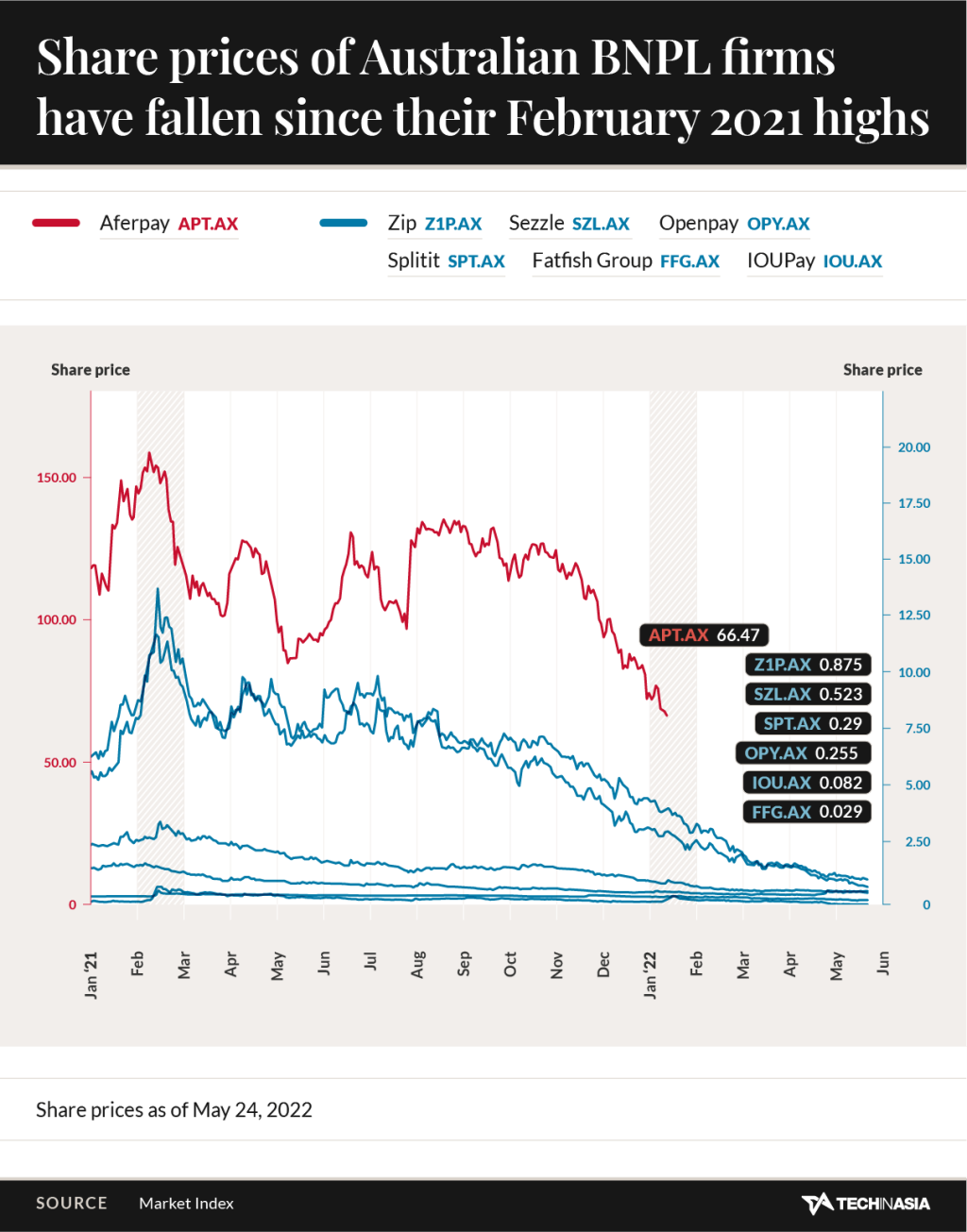
Image credit: Timmy Loen
Second, one would struggle to find any BNPL report that mentions loan loss provisions or in fact any meaningful vintage-based credit quality statistics. In fact, I’ve seen BNPL company decks which did not even disclose the key statistic of loan portfolio.
Instead, most of them report at the top of their P&L such stats as gross merchandise value or total transaction value, which are completely irrelevant in the consumer lending perspective.
Please don’t mistake this rant for schadenfreude. I feel genuinely bad for the founders that have spent the last few years building BNPL companies. I am just glad the world is going back to normalcy.





Stay updated on the go with our mobile app.
Get latest insights with smoother, more personalized experience through TIA mobile app.








📅 Upcoming Events
22 October 2026
Payoneer x CSPN Summit 2026