Daniel Tay · · 5 min read
Using clean energy, this organization is empowering women and poor alike in Nepal
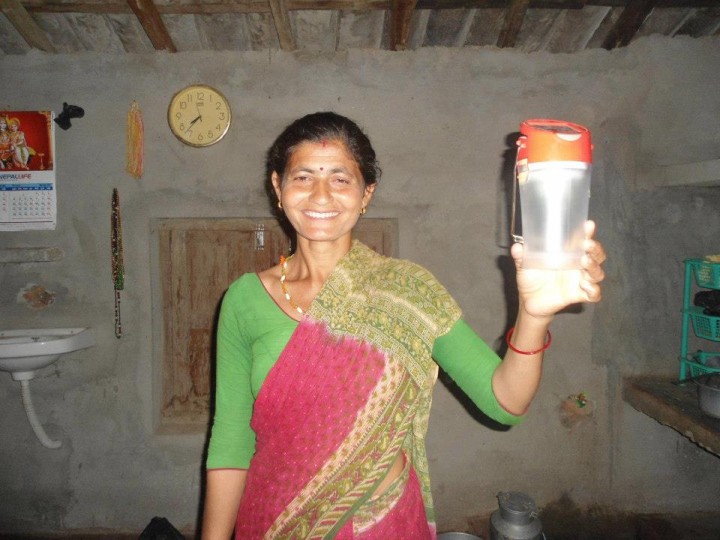
In Nepal, over 60 percent of its population may never know what electricity is, let alone enjoy its many uses in their lives. And in such less-privileged countries, girls and women often have it worst. Similar to Taliban-ruled Afghanistan not long ago, the Nepalese female population not only drop out of school early, but are routinely sold into prostitution under the delusion of a “better life,” according to Anya Cherneff.
Cherneff is familiar with these patterns of discrimination. She has spent the better part of her life in the non-profit sector finding ways to empower women to break out from systems of oppression – such as human trafficking – and make an impact on their respective communities. Meanwhile, her husband Bennett Cohen was thinking about how to enable the widespread adoption of clean energy – which is both cheap and environmentally-friendly – in developing countries.
The duo found the answer one day in the form of an organization called Empower Generation, which supports female entrepreneurs by providing them the means to sell cheap solar lamps that are environmentally friendly. Nepal was chosen as its base not only because of the sheer poverty and rampant discrimination present there, but also because families were using inefficient and potentially deadly means to get energy for day-to-day tasks.
“Traditional household energy practices, such as burning firewood and kerosene, affect health and consequently educational and economic development. It also threatens Nepal’s rich biodiversity,” explains Cherneff. She estimates that Empower Generation’s network of clean energy products have helped to displace close to 1,500 tons – approximately 1.4 million kilograms – of carbon dioxide in Nepal to date.
The business of clean energy
What Empower Generation does is to provide women entrepreneurs with the funds and mentoring necessary to set up their own clean energy businesses. The cash and equipment are supplied by clean energy product suppliers and impact investors, who provide capital for its Clean Energy Fund and Women’s Entrepreneur Fund.
The former fund gives microloans to the Nepalese underprivileged so that they can purchase the entrepreneurs’ innovations. These low-interest loans are administered by local savings and credit cooperatives “with a reliable microfinance track record.”
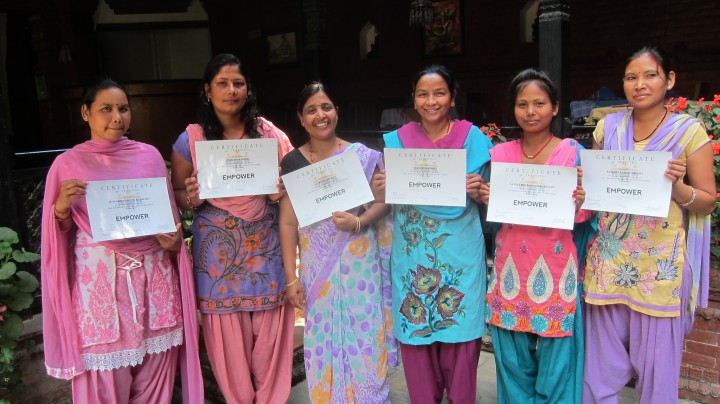
Hence, by equipping women with the means to start these businesses and the poor with sufficient cash to buy their wares, Empower Generation effectively creates markets for clean energy products in Nepal. Loan repayments are then channeled back into starting a new enterprise, or providing credit to a new community.
See: Popinjay dreams of making poverty a thing of the past for Pakistani women
So far, over 50 women and girls have been given small business training. “We’ve given sales and marketing training to 100 people, delivered clean energy awareness programs to over 1000 people, and financed over 500 microloans for the poorest of the poor to purchase our solar lights,” Cherneff adds.
According to her, their ultimate goal is to create “a generation of smart clean energy consumers who are poised to leapfrog the antiquated centralized grid for distributed clean power they control.”





Stay updated on the go with our mobile app.
Get latest insights with smoother, more personalized experience through TIA mobile app.